-
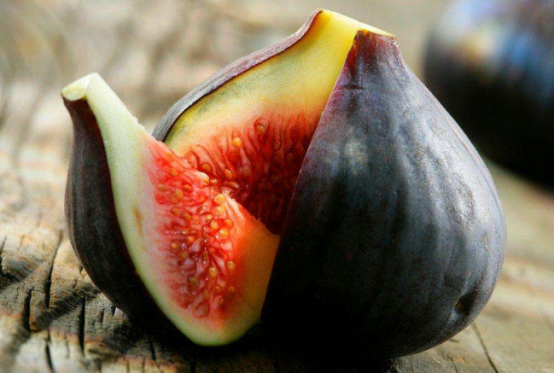
A Detailed Explanation of Two Processing Technologies for Fig Products
Introducing two processing technologies for fig products
-

Which improved varieties of processing yellow peach have been promoted in recent years
In recent years, the improved processing yellow peach varieties that have been promoted mainly include Golden Queen, Zhenghuang 2, Jinxu, Jintong 5, 6, 7, and 9, Mingxing, Dixon, and others. (1) Golden Queen: bred in New Zealand, the main canning export variety of Australia. The fruit ripens in late September. The average single fruit weight is 125 grams, uniform in size, suitable for processing. Its sugar content is higher than other canning peaches, and the canned product is golden and bright. Under cold storage conditions it can be stored until December, and it is an ideal dual-purpose variety for fresh eating and processing. High and stable yield. (2) Zhenghuang 2
-
Processing Methods and Technical Key Points for Canned Pears in Syrup
(1) Process flow: Raw material selection → raw material preparation → precooking → filling into cans → exhausting → sealing → sterilization → cooling. (2) Process key points. 1. Raw material selection: Choose varieties that are at 80% maturity, with thick flesh, small core, tender and fine texture, few stone cells, uniform fruit shape, smooth fruit surface, strong aroma, and good flavor. Such as Changba pear, white pear, Ya pear, Laiyang pear, Xuehua pear, etc. 2. Raw material preparation: Grade by fruit transverse diameter. Remove diseased, insect-damaged, moldy, and externally damaged fruit. Wash clean with water, soak in 0.1
-
Detailed Processing Technology of Sulfur-Free Low-Sugar Dried Apricots
Yanggao Jing apricot is one of the four famous apricot varieties in Shanxi Province, with a single fruit weight of 34.8g, containing vitamin C 10.4mg/100g, refractive sugar 13.1%, reducing sugar 4.7%, and acid 2.4%. This variety is the best variety for processing dried apricots; its apricot fragrance is strong, its pit yield is low, and its acid content is high, the highest among all varieties. Yanggao dried apricots are golden-yellow and translucent, with soft flesh and a sweet-sour taste, making them a premium product among preserved fruits. The products were once exported to Southeast Asia, Japan and other countries, and were praised in Japanese supermarkets as "Chinese
-
Detailed Explanation of Key Points of Peach Quick-Freezing Processing Technology
(1) Process flow: raw material selection → pitting and color protection → blanching and cooling → peeling → packaging and adding sugar syrup → pre-cooling → quick freezing → frozen storage. (2) Key operating points. Raw material selection: after peaches are picked, ripe ones must be processed immediately; hard, unripe fruit must be ripened. Properly ripened peaches have bright color, rich flavor, and are easy to pit and peel. Pitting and color protection: after the raw material ripens, remove the pit with a small knife or a pitting machine, and immediately place the flesh in cold water to avoid contact with air and prevent discoloration. The pitting machine has fruit
-
Detailed Explanation of the Processing Technology for Dry-Packed Salted Almond Canned Goods
(1) Process flow: Raw material acceptance → sorting → cleaning → peeling → rinsing → color protection → pre-boiling → soaking → re-boiling → grading → seasoning mixing → canning → exhausting → sealing → inspection → sterilization → cooling (2) Description of operating points (1) Raw material acceptance: Use fresh, plump, dry almonds with white kernel flesh, free from insect damage, mold, and foreign matter. (2) Sorting: Remove insect-damaged, moldy, shriveled, broken and other substandard kernels and foreign matter. (3) Cleaning: Put the
-
Detailed Explanation of the Processing Methods and Technical Key Points for Crystal Jujubes
1. Material selection: Choose fresh jujubes harvested at the white-ripe or crisp-ripe stage as the raw material, ones that are free from damage, free from insect borers, free from wrinkles, uniform in size, and moderate in size. 2. Peeling: Add an appropriate amount of 7%-8% alkaline water solution to a pot resistant to alkali corrosion, heat to boiling, pour the fresh jujubes into the pot, and cook while stirring for 3-5 minutes. When the skins turn brown, immediately scoop them into a vat of 6% dilute sulfuric acid aqueous solution for acid-base neutralization for 10-15 minutes. When neutralized to pH 6-7, scoop out the jujubes, wash them clean with water
-
Key Processing Technology Points for Clarified Peach Juice Beverage
(1) Process flow: Raw material selection → fruit washing → pulping → enzymatic hydrolysis → juicing → clarification → blending → degassing, sterilization → filling, sealing. (2) Technical points: ① Raw material selection: Select well-ripened fruit; if ripeness is low, post-ripening is required. Remove diseased, insect-damaged and rotten fruit. Rinse clean with clean water. If there is too much peach fuzz, it can be washed off with detergent, then rinsed clean with clean water. ② Pulping: After washing, the peach fruit is directly pulped with a pulping machine to separate the skin and pit. Alternatively
-
A Complete Analysis of the Processing Technology and Methods for Fresh Peach Fruit Tea
Fresh peach fruit tea is one of the most popular fruit juice drinks on the market today. Its processing technology is introduced as follows: 1. Raw material selection: Select fully ripe, fresh peaches with good flavor, abundant juice and no pests or diseases. Peaches that are not ripe enough should undergo after-ripening. 2. Raw material pretreatment: 1. Cleaning. After the raw materials are selected, wash and brush them with clean water to remove the fuzz. After cleaning, rinse them in a 1% hydrochloric acid solution or detergent solution to remove residual pesticides, then rinse them again in clean water and drain.
-
Processing method and key technical points for stuffed roasted dates
Stuffed roasted dates are crisp and sweet, aromatic, and uniquely flavored. The production method is as follows: 1. Material selection: use sun-dried large and medium-sized high-quality red dates as raw material. 2. Pitting: use a pitting machine or pitting drill to remove the pit lengthwise along the date fruit. 3. Stuffing: according to the size of the date, select suitable five-spice peanut kernels and insert them into the pitted dates. 4. Baking: pour the stuffed dates into a specially made baking cage, filling about 70%-75% of the total volume; the cage
条件筛选