-
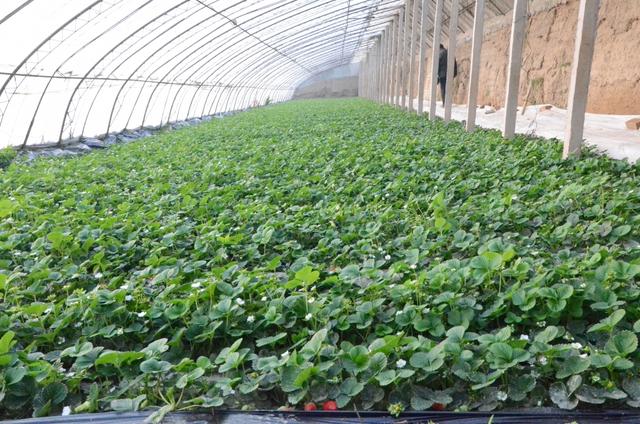
Cold air is on the way, greenhouse growers need to take preventive measures
Old Du grows strawberries in two greenhouses. He has been growing them for seven or eight years, but because he never systematically learned strawberry growing techniques, some...
-

Soybean aphid outbreak forecast issued, growers need to take timely preventive measures
Based on the survey results from all forecasting stations across the province, combined with a comprehensive analysis of crop growth and meteorological conditions, soybean aphids are expected to occur at a moderate level overall across the province this year, with some cities and counties that have received less rainfall and had high early-season aphid populations reaching moderate-to-severe occurrence. The peak period of soybean aphid damage will be from mid-July to early August. 1. Occurrence is earlier than in normal years. According to monitoring by all forecasting and plant protection stations across the province, the first aphid sighting was on June 10, later than last year but still about 10 days earlier than in normal years. 2. Meteorological conditions are unfavorable for soybean aphid
-
Causes of and Preventive Measures for Soybean Pods Without Seeds
I. Causes of Pods Without Seeds 1. Improper selection of variety or planting system. Generally speaking, late-maturing varieties with poor resistance are affected by relatively low temperatures during grain filling, which seriously affects the filling rate and thus induces the formation of pods without seeds. Continuous and alternate-year soybean planting causes a sharp decrease in the boron content of soil nutrients. Since boron is an important trace element that promotes the formation and growth of soybean pods, its deficiency induces soybean pods without seeds. At the same time, continuous and alternate-year soybean planting leads to more severe soybean diseases and pests, thereby inducing pods without seeds.
-
What to do about premature senescence in high-density drip-irrigated cotton? Main causes and preventive measures
I. Main causes of premature senescence in high-density cotton planting 1. Variety factors Varieties are not resistant to premature senescence. In recent years there have been many cotton varieties; some have aged and degenerated, and some are inherently poor in disease resistance and premature senescence resistance, or are unsuitable for high-density planting, leading to premature senescence in cotton. 2. Environmental factors ① Temperature For mid-early maturing cotton, the suitable sowing period is when the 5 cm soil temperature stably passes 12°C. If sowing is too early or the seedling stage encounters low-temperature chilling injury, because the air temperature is relatively low, root growth is slow and diseases are severe, which easily damages the cotton root system function, thereby
-
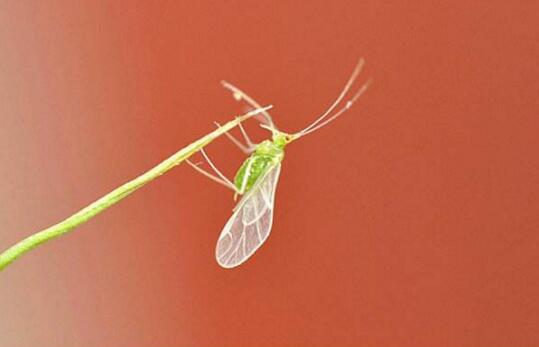
Removal Techniques for 3 Common Pests and Diseases of the Selaginella uncinata and Preventive Care Methods
The ornamental value of Selaginella uncinata lies mainly in its stems and leaves. Especially for gardeners growing it in hanging baskets, they hope even more for its leaves to be fresh and green and its branches sturdy. However, sometimes due to neglect in care, some pests and diseases occur, and not only do the leaves dry up, but the plant may even die.
-
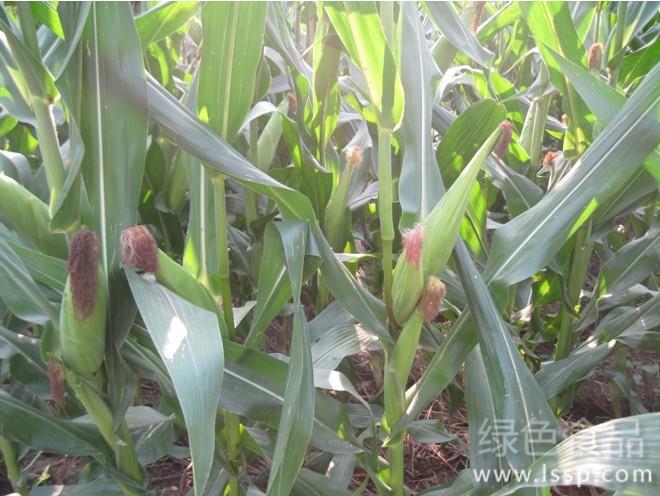
Why Does Corn Grow Multiple Ears? Cause Analysis and Preventive Measures
Cause Analysis and Preventive Measures for the Multiple-Ear Phenomenon in Corn
条件筛选