Why Does Corn Grow Multiple Ears? Cause Analysis and Preventive Measures
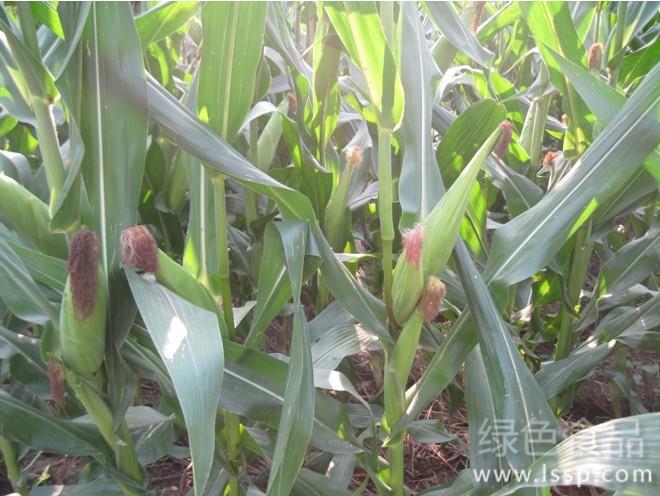
Multiple Ears in Corn
In recent years, the multiple-ear phenomenon has occurred frequently in corn production. The affected area varies across different years, regions, and varieties, and the severity also differs among varieties within the same region. The multiple-ear phenomenon causes losses of varying degrees to corn production. Its causes mainly lie in the following five aspects:
First, every node on the lower part of the corn plant has an axillary bud in its leaf axil, namely the female ear primordium. If external conditions are suitable, all of them have the potential to form an ear, but under normal circumstances only the axillary buds at the 6th to 8th nodes from the top can develop into ears.
Second, abnormal climatic conditions easily lead to multiple ears. Corn originated in the tropics and is a short-day crop. Under abnormal climatic conditions, especially during the stage of male and female ear differentiation, such as continuous overcast and rainy weather with insufficient light, nutrient deficiency results, causing the silks of the female ear to emerge poorly or the tassel to fail to flower and shed pollen normally, which affects pollination and prevents the first ear from forming normally. As a result, the surplus nutrients are supplied to the development of the next ear. If the second ear still fails to receive normal pollination, the nutrients are then supplied to the development of the next ear after that. Even if the later ears develop normally, there is no pollen left in the field to pollinate them. Thus, the multiple-ear phenomenon is formed.
Third, excessive fertilizer and water during the ear development stage is also a cause of multiple ears in corn. During the female ear development stage of corn, if the supply of water and fertilizer is too abundant, the plants cannot consume the excess nutrients, and multiple ears may form.
⟧ Fourth, damage from pests and diseases. Damage from the Asian corn borer, aphids, and corn leaf spot disease also affects the normal formation of corn ears, causing the multiple-ear phenomenon.
Fifth, differences among varieties. Different varieties require different cultivation conditions. Extensive management also easily leads to multiple ears. Therefore, reasonable cultivation measures should be determined according to the characteristics and traits of the variety.