Removal Techniques for 3 Common Pests and Diseases of the Selaginella uncinata and Preventive Care Methods
The ornamental value of Selaginella uncinata lies mainly in its stems and leaves. Especially for gardeners growing it in hanging baskets, they hope even more for its leaves to be fresh and green and its branches sturdy. However, sometimes due to neglect in care, some pests and diseases occur, and not only do the leaves dry up, but the plant may even die. Today we will introduce several common methods for preventing and controlling pests and diseases of Selaginella uncinata, to avoid such tragedies from happening.
Methods for Preventing and Controlling Pests and Diseases of Selaginella uncinata
1. Aphids
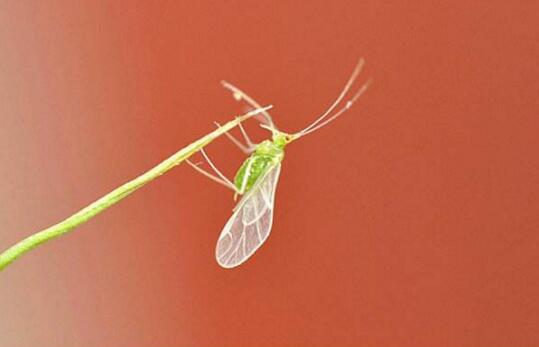
Symptoms: Because aphids have a very close relationship with ants, when aphids appear, ants are often found around the plant as well. Aphids use their mouthparts to pierce the plant's epidermis, then absorb nutrients from inside the tissues, and then secrete honeydew to attract ants. The damage is enormous.
Control: When only a small number of aphids are found, they can be scraped off with a brush, but here the editor suggests gardeners use pesticides for control, such as a 1000-fold dilution of 50% malathion emulsion, or a 1000-fold dilution of 50% fenitrothion emulsion for spraying. In addition, soapy water can be added to improve the control effect.
2. Leaf spot disease
Symptoms: Black spots begin to appear on the leaves of Selaginella uncinata. They change from round to nearly round, with the edges of the black spots turning dark brown and the centers turning grayish-black with granular bodies appearing. Finally the lesions expand to the entire leaf, causing the plant's leaves to dry up and die.
Control: Keep environmental humidity from being too high, and do not water too frequently in normal care, because one of the main causes of leaf spot disease is excessive humidity and overwatering. In the early stage, use a 300-400 fold dilution of 50% amobam aqueous solution; in the later stage, spray with a 1000-fold dilution of 50% thiophanate-methyl.
3. Powdery mildew
Symptoms: Yellow-green lesions first appear on the leaves, usually irregular in shape, with edges that are not particularly distinct, but the lesions slowly expand and white powdery spots also appear on the surface. Finally the lesions turn gray, and the leaves become deformed and curled, greatly affecting their appearance.
Control: Among the pest and disease control methods for Selaginella uncinata, powdery mildew is not common, but once it occurs it must be dealt with promptly. If you have alcohol at home, you can dilute it into a 1000-fold solution and spray until the white powder on the leaves disappears. Of course, the most effective method is to use pesticides for control, such as a 1000-fold dilution of 15% triadimefon, and so on.
Cultivation Methods for Selaginella uncinata to Prevent Pests and Diseases
1. Environmental ventilation
When growing Selaginella uncinata, care should be taken to maintain environmental ventilation. A well-ventilated environment can keep air circulating and prevent humidity from being too low or too high. It can play a very good preventive role against leaf spot disease, and it is also beneficial to the growth of Selaginella uncinata.
2. Remove weeds or fallen leaves
Some old branches and leaves will naturally fall into the flower pot. Although they have withered, they may still become hosts for fungi and pests, so during care, fallen leaves, weeds, and so on in the pot should be removed. Keeping the soil clean can effectively prevent pests and diseases.
3. Proper pruning
Pests and diseases often target thin and weak branches, and rarely appear on relatively sturdy branches, just as physically weak people are more prone to illness than those with good constitutions. When growing Selaginella uncinata, we should cut off some thin and weak branches. This not only makes the other branches and leaves healthier, but also reduces the occurrence of pests and diseases.
Common Methods for Preventing and Controlling Orchid Pests and Diseases
Today the editor of Flowers and Bonsai Wind would like to share with you an article about common methods for preventing and controlling orchid pests and diseases. Let's take a look.
Plants of the family Orchidaceae (scientific name: Orchidaceae), commonly known as orchids, also called huji hua, are a worldwide-distributed and diverse family among flowering plants, with flowers that are often colorful and often fragrant, and are commonly known by the vernacular name orchid family.
Orchids are herbaceous plants. Under artificial cultivation, their disease incidence is much higher than when growing naturally in forests. Under artificial cultivation, due to differences in temperature, humidity, light, and air, plus unclean ambient air, orchids are most prone to anthracnose, black spot disease, sheath blight, rust spot disease, and other common orchid leaf diseases.
Add meaning item ? Orchid This is a polysemous term. Please choose to browse among the following meaning items (6 meaning items in total):
One of China's top ten famous flowers; Chinese painting; a character appearing in the second part of "Mermaid Melody"; a 2006 film directed by American director Bryce Dallas Howard; a 2010 book compiled by the Royal Horticultural Society; a poem by Zuo Heshui
Orchid - One of China's top ten famous flowers Free editing Modify meaning item name
Category: Plants
Orchid (scientific name: Cymbidium ssp.): epiphytic or terrestrial herb, with several to many leaves, usually borne at the base of the pseudobulb or on lower nodes, two-ranked, strap-shaped or rarely oblanceolate to narrowly elliptic, usually with a broad sheath at the base that clasps the pseudobulb, with a joint. Raceme with several to many flowers, colors include white, pure white, white-green, yellow-green, pale yellow, pale yellow-brown, yellow, red, blue-green, and purple.
Orchids among China's traditional famous flowers refer only to several species of terrestrial orchids distributed among plants of the genus Cymbidium in China, such as Chunlan, Huilan, Jianlan, Molan, and Hanlan, namely what is usually called "Chinese orchid." This type of orchid is very different from tropical orchids with large and brightly colored flowers. It has no striking flamboyance, no huge flowers or leaves, yet possesses a simple, quiet, elegant, and noble temperament, which fits well with Eastern aesthetic standards. In China it has a cultivation history of more than one thousand years.
Chinese people have always regarded the orchid as a symbol of nobility and elegance, and have placed it alongside "plum, bamboo, and chrysanthemum," collectively called the "Four Gentlemen." "Orchid chapter" is usually used to metaphorize the beauty of poetry and prose, and "orchid friendship" to metaphorize the truth of friendship. Orchids are also used to express pure love: "Its spirit is like the orchid, never changing through time; its heart is like the orchid, never wavering." "Having found a secluded orchid to repay a bosom friend, one branch is enough to gift to a dream of Xiaoxiang." In May 1985, the orchid was rated as the fourth of China's top ten famous flowers.
Basic Information
Chinese name
Orchid
Alternative names
Chinese orchid, Chunlan, lancao, lanhua, youlan, shanlan, guoxiang, fairy of the empty valley, ancestor of fragrance
Phylum
Angiosperms
English name
Orchid
Species
29 species
Kingdom
Plantae
Tribe
Epidendreae
Order
Microspermae
Family
Orchidaceae
Latin scientific name
Cymbidium ssp.
Class
Monocotyledoneae
Subfamily
Orchidoideae
Naming authority and year
Sw.,1799
Genus
Cymbidium
Subclass
Liliidae
Table of Contents
1 Basic Introduction
2 Morphological Characteristics
3 Distribution Range
4 Value Introduction
5 Commercial Value
6 Hometowns of Orchids
7 Cultivation-Related Information
8 History of Orchid Art
9 Other Related Information
Edit this section Basic Introduction
Plants of the family Orchidaceae (scientific name: Orchidaceae), commonly known as orchids, also called huji hua, are the largest and most diverse family among flowering plants, with more than 800 genera and 25,000 species (some sources list more than 30,000 species), plus more than another 100,000 hybrid species and varieties cultivated by horticulturists. The Royal Botanic Gardens' "World Checklist of Orchids" lists about 24,000 accepted species names, and about 800 new species are added each year. The number of orchid species is greater than that of all vertebrates including the class Osteichthyes, accounting for about 1/4 of all species in the class Monocotyledoneae. Early classification systems (the Cronquist system) placed Orchidaceae and Burmanniaceae within Microspermae; in the APG classification published in 1998 they were placed in Asparagales, while the improved APG II classification of 2003, based on genetic relationships, placed them under Asparagales and considered them closely related to Hypoxidaceae. Due to the extreme complexity of orchid flora, all floral characteristics fully demonstrate a high degree of adaptation to insect pollination and the establishment of symbiotic relationships with fungi, and orchids are considered the apex of plant evolution.
Orchidaceae plants are all perennial herbs. Their lifestyles include terrestrial (such as Orchis, Bletilla, and Spiranthes), epiphytic (or lithophytic; the vast majority of orchids have epiphytic habits), and the strangest, saprophytic (such as Gastrodia, Galeola, Pogonia, and Cymbidium's Dagenlan and Duogenlan, etc.), with a few being climbing vines (such as Vanilla), with fibrous roots, and epiphytic ones having aerial roots; stems erect, pendulous, or climbing; simple leaves alternate, with leaf sheaths; flowers have a labellum specialized due to pollination patterns with insects, and the floral structure is complex; the pseudobulb is an organ unique to Orchidaceae plants, mainly seen in epiphytic orchids. Some varieties have large and beautiful flowers with different colors and shapes, and are therefore often cultivated as ornamental flowers.
Edit this section Morphological Characteristics
Orchids are herbaceous plants that are easy to keep alive. The roots are fleshy and enlarged, without root hairs, and have symbiotic fungi [2]. They have pseudobulbs, commonly called lu tou, covered on the outside with leaf sheaths, and often connected together with multiple pseudobulbs, existing in rows at the same time. Leaves are linear or sword-shaped, leathery, upright or drooping; flowers are solitary or in racemes, with many bracts borne on the pedicel. Flowers are bisexual and fragrant. The corolla consists of 3 sepals, 3 petals, and the column. The middle sepal is called the main petal. The lower 2 are the lateral sepals, and the extent to which the lateral sepals spread is called hu. The upper 2 petals are upright, relatively thick and fleshy, with tips curling inward, commonly called pong. Bilateral symmetry, the labellum, pollinia, and the gynostemium are the basic characteristics of Orchidaceae plants: the characteristic of pollen forming masses has some exceptions. Except for Apostasioideae and Cypripedioideae, most other Orchidaceae plants also have a caudicle. The ancients said, "One stem with one flower is lan," and one stem with many flowers is hui.
Chunlan and Huilan are divided according to differences and variations in the shape and texture of the main petal, lateral sepals, pong, and lip into plum petal, narcissus petal, lotus petal, butterfly petal, rare type, and pure-center type, etc. Plum petal has short and round sepals, relatively thick and fleshy, slightly curved inward, with a narrow base; the pong petals are thick and fleshy with tips curved inward to form a pouch; the lip is short and hard, and the flower faces slightly upward when first opening. Famous varieties include Song Mei, Xishen Mei, and others. Narcissus petal has sepals slightly longer than plum petal, with tips gradually pointed; the pong petals are thick in texture, with tips also forming a pouch; the lip is slightly pendulous or recurved. Famous varieties include Wang Zi, Cui Yipin, and others. Lotus petal has broad and large sepals, thick in texture, narrow at the base, broad and abruptly pointed at the tip; the pong petals do not form a pouch; the lip is relatively moist and slightly recurved. Famous varieties include Da Fugui, Cuigai Hua, and others. Butterfly petal has the inner side of the two downward lateral sepals becoming thicker in texture, forming wavy wrinkles, and having red patches; sometimes the number of sepals or petals suddenly increases (such as in Luyun, whose corolla often has around 8 parts), or the flower shape has special changes. Pure-center type has the perianth, flower stem, and bracts of the same color, pure green, yellow-green, etc., without mottled markings of mixed colors. Precious varieties include Zhang He Su, Lao Wentuan Su, and others.
Orchids like shade and fear direct sunlight, like moisture and avoid dryness, and like fertile environments rich in large amounts of humus and with good air circulation [2]. Climate and environment in different places can all affect the growth of orchids, so the choice of planting medium differs. For example, in southern Fujian, the weather in all four seasons is relatively warm and does not get too cold, orchids grow quickly, and small pebbles are suitable for planting. First, it saves resources. Second, pebbles facilitate ventilation and do not retain water.
Edit this section Distribution Range
Because most varieties of terrestrial orchids originate in China, orchids are also called Chinese orchids and are listed as first among China's top ten famous flowers. Chinese orchids mainly consist of Chunlan,
Huilan, Jianlan, Hanlan, Molan, Chunjian, and Lianbilan, seven major categories, with thousands of horticultural varieties.
Chunlan is also known as caolan and shanlan. Chunlan is relatively widely distributed and rich in resources. The flowering period is February to March of the year, and it can last about 1 month. The flowers have a rich and pure fragrance. Precious varieties include lotus, plum, narcissus, butterfly, and other petal types in various colors. In terms of petal type, the famous varieties from Jiangsu and Zhejiang are the most typical.
Sample Huilan Da Yipin
Sample Huilan Da Yipin
Huilan has thick and long roots, narrow strap-shaped leaves, relatively rough and hard texture, grayish-green color, obvious serrations on the leaf margins, and prominent midribs. The flowering period is March to May. The flowers have a strong fragrance that spreads far and lasts long. Flower colors include yellow, white, green, light red, and multicolor, mostly variegated flowers, and there are also pure-color flowers and butterfly flowers.
Jianlan is also called four-season orchid, including summer orchid and autumn orchid that bloom in summer. Four-season orchid is sturdy and upright, with green leaves and abundant flowers, strong fragrance and beautiful flowers, not afraid of heat, not afraid of cold, with strong vitality, and easy to cultivate. Different varieties have different flowering periods, and flowers can be seen from May to December.
Molan, also known as baosui lan, baisui lan, fengsui lan, etc., is native to China's Guangdong, Guangxi, Fujian, Yunnan, Taiwan, China, Hainan, and other places. Orchid growers throughout southern China, especially in Guangdong and Yunnan, most enjoy cultivating and viewing it.
Chunjian is often called authentic Sichuan orchid. Although Yunnan, Guizhou, and Sichuan all have famous varieties, the famous varieties of Sichuan orchid are the most precious. Flower colors include red, yellow, white, green, purple, black, and multicolor, dazzling and eye-catching, with a graceful appearance, elegant charm, rich fragrance, and pure taste. It is often the first choice praised by orchid growers. Hanlan
Hanlan is distributed in Fujian, Zhejiang, Jiangxi, Hunan, Guangdong, and the southwestern regions of Yunnan, Guizhou, and Sichuan. Hanlan's leaves are more slender than those of four-season orchid, especially finer at the leaf base. The leaf posture is elegant and unrestrained, emerald green and delicate. There are large-, medium-, and fine-leaf varieties as well as edged varieties. Flower colors are rich, including yellow, green, purple-red, deep purple, etc., generally with variegated veins and spots, and there are also clean and flawless pure-color flowers. The sepals and pong petals are relatively narrow and fine, with a distinctive style, delicate and lovely, and striking fragrance.
Lianbilan is a terrestrial orchid mainly produced in the northwestern Yunnan region of Yunnan Province, blooming every year around New Year's Day and the Spring Festival. The petals of this orchid are elliptical-strip-shaped, closely resembling the petals of blooming lotus root, and people used one flower to describe another, naming it "Lianbilan."
Edit this section Value Introduction
Medicinal
According to records, orchids have the reputation of "queen of flowers." The roots, leaves, flowers, fruits, and seeds of orchids all have certain medicinal value [1]. The roots can treat pulmonary tuberculosis, lung abscess, and sprains, and can also set bones; decocting Jianlan roots in soup and taking it is said to be a sacred medicine for inducing labor. The leaves treat whooping cough, the fruit can stop vomiting, and the seeds treat eye films. The whole plant of Huilan can treat women's diseases, and the whole plant of Chunlan treats neurasthenia, roundworms, hemorrhoids, and other diseases. Jianlan leaves can treat deficiency-related lung qi (also written as liver qi). Orchid flower stems can treat malignant ringworm. Pure-center orchid petals can induce labor. The pure-center petals of Huilan, dried in the shade, can also induce labor.
In rural areas of some parts of Sichuan, orchids are called "labor-inducing flowers." It is said that if a woman has difficulty in childbirth, quickly moving a pot of "labor-inducing flower" into the delivery room, and the pregnant woman smelling the orchid fragrance, will allow her to give birth smoothly. Whether this has a scientific basis still awaits verification by obstetrics and gynecology experts.
China's traditional orchids are precious flowers with graceful posture and rich fragrance (the fragrance of kings). But physicians through the ages have summarized very little about their medicinal value. The whole orchid plant can be used as medicine. Its nature is neutral, its taste is pungent and sweet, and it is non-toxic. It has effects such as nourishing yin and moistening the lungs, promoting diuresis and draining dampness, and clearing heat and detoxifying. It can be applied to various clinical internal and gynecological conditions. Summarized as follows:
1. Nourish yin fluids, promote body fluid production and moisten dryness, and treat the sequelae of dry mouth and excessive thirst after radiotherapy for malignant tumors.
[Ming dynasty] Li Shizhen, "Compendium of Materia Medica": "Lancao, odor pungent, neutral, sweet, non-toxic." "Its qi is clear and fragrant, promotes body fluid production and quenches thirst, moistens the muscles, and treats consumptive thirst and gallbladder jaundice." "...To treat consumptive thirst and promote body fluid production, use orchid leaves; this likely originates from this." Modern medical science uses radium (cobalt-60) for radiotherapy after surgery for some malignant tumors or cancers, achieving certain therapeutic effects, but causing a certain degree of damage to tissues and organs near the tumor and affecting their function. For example, radiotherapy for nasopharyngeal carcinoma, malignant tumors of the salivary glands (mucoepidermoid carcinoma), and upper and middle esophageal cancer damages the various glands of the oral cavity, especially the three pairs of major salivary glands, the parotid, submandibular, and sublingual glands, as well as the mucosal gland cells of the upper digestive tract, causing a large reduction in glandular secretion and producing symptoms of upper consumptive thirst such as dry and burning throat, dry tongue and scorched lips, and thirst with frequent drinking. Using orchids can treat this condition caused by radiotherapy for malignant tumors, with very good results.
According to clinical experience, radiotherapy patients with malignant tumors in different locations and organs have better results when combined with certain Chinese herbal medicines. For example, radiotherapy patients with laryngeal cancer should be treated together with Shandougen, Baimaogen, and Pugongying; radiotherapy patients with esophageal cancer should be used together with Banzhilian, Baihuasheshecao, Xiakucao, and Lingxian, etc.
2. Clear heat and cool blood, nourish yin and moisten the lungs, and treat dry cough and chronic cough, and hemoptysis due to lung damage.
Modern research in traditional Chinese medicine shows that the whole plant of Jianlan has the effects of clearing heat and cooling blood, nourishing yin and moistening the lungs, and is commonly used clinically for hemoptysis due to pulmonary tuberculosis and for regulating chronic dry cough that does not stop.
To treat patients with mild to moderate hemoptysis due to pulmonary tuberculosis, use 50-100 g of fresh Jianlan roots, mash them to extract juice or decoct in water and take, 2 times a day, with obvious effects in 4-6 days.
To treat patients with unremitting dry cough, use 30-50 orchid stamens, decoct in water, add rock sugar, 2 times a day, and take for 3-5 days for remarkable effects. This conforms to the discussion in the "Compendium of Materia Medica" that "Lancao mainly treats blood production, regulates qi, nourishes the nutritive qi, and removes phlegm accumulation in the chest."
3. Regulate qi and harmonize blood, drain dampness and reduce swelling, and treat urinary tract infections and leukorrhea in women.
According to the "Supplement to the Compendium of Materia Medica": "The yellow orchid, called honey orchid, can stop diarrhea and leukorrhea, promote water passage, kill gu poison, reduce carbuncles and swelling, regulate menstruation, and when taken for a long time, boost qi, lighten the body, prevent aging, and communicate with the spirits." Modern traditional Chinese medicine believes that orchid roots have effects such as regulating qi and harmonizing blood, draining dampness, and reducing swelling. They treat urinary tract infections and excessive leukorrhea in women.
Use 50 g of orchid roots, 30 g of cogongrass rhizome, and 30 g of winter melon peel, decoct in water and take, continuously for 6-10 days, to treat urinary tract infections.
For excessive leukorrhea in women, use 50 g of orchid roots, 30 g of asparagus root, 30 g of lily, and 1 free-range farm chicken, stew together, take the soup and eat the meat, once every 2-3 days, continuously for 2-3 times.
4. Soothe the liver and relieve depression, harmonize qi and blood, and treat dizziness and blurred vision, and neurasthenia.
Modern pharmacological research shows that the aromatic component of orchids, aromatic oil, makes people feel relaxed and happy, clears stale qi, relieves depression and dispels stuffiness, and refreshes the mind.
To treat dizziness and blurred vision (Meniere's syndrome), results are achieved. Prescription: 30 g of orchid stamens, 15 g of chrysanthemum, 15 g of dwarf lilyturf tuber, and 20 g of agrimony, decoct in water and take, 1 dose per day. Take continuously for 4-6 days. This is based on the records in the "Supplement to the Compendium of Materia Medica" that "pure-center Jianlan removes stale qi and relieves depression" and "honey-preserved green orchid steeped in tea and drunk harmonizes qi and blood, relaxes the middle burner, and sober one up."
Use 50 g of orchid roots, 20 g of canna rhizome, and 20 g of Cynanchum paniculatum, decoct in water and take, 1 dose per day, continuously for 10-15 days, to treat neurasthenia.
5. Other medicinal uses
According to the record that "orchid leaves receive the qi of metal and water yet seem to have fire; people know the nobility of its floral fragrance, but do not know that its leaves have medicinal prescriptions; its leaves can strongly disperse long-accumulated stale and depressed qi, as in today's placement on the right," to treat constipation, stagnation and accumulation in the large and small intestines, thick and greasy tongue coating, dry throat and lung dryness, and bad breath, use 20-30 autumn orchid flowers and 50 g of orchid leaves, decoct in water, and when slightly warm, mix in 30 g of honey and take, continuously for 2-3 times. This conforms to the theory that the lungs and large intestine are interior-exterior paired.
Use 50-100 g of fresh orchid roots, wash clean, mash, and apply to the affected area, to treat traumatic injuries, subcutaneous bleeding, and muscle tumors.
Edible
(1) Floral fragrance can scent tea
The fragrance of orchids is clear and mellow, and when used to scent tea, the quality is the highest. In orchid-producing areas or large orchid nurseries, orchid tea has development prospects.
According to records: "Flowers can enhance tea, and paste can substitute for drink." In Fujian Province, villagers preserve Jianlan flowers in honey and then drink them. There is also the record: "Using salted plum dried and drunk to obtain juice called plum oil, used to soak fresh flowers as a fragrance." In Japan's ancient capital, on the east side of Kyoto, there is an old shop that for decades has sold the ancestral "orchid tea." This is made by picking Chunlan flowers produced on the mountains north of Kyoto, drying them semi-dry by a special method, then salting them and putting them in small clay bottles. When using, take two flowers, put them in a teacup, and pour boiling water over them to drink. After soaking in water, the orchids return to their original shape, both beautiful and with a special fragrance, and the flavor when drinking is extraordinary. The flowers can also be eaten at the same time.
(2) Flowers can be eaten
Flowers can be made into soup. According to records, flowers can be used to season soup. When about to season the soup, first blanch them with hot water; the flower color will be fresh and the soup flavor delicious. Orchids can be used in dishes and are a famous Sichuan dish at banquets, with a clear fragrance that fills the air and lingers around the table, leaving an unforgettable impression after eating. Famous Sichuan dishes include "orchid shredded tripe," "orchid shredded pork," and "orchid buns," which are also endlessly flavorful.
Edit this section Commercial Value
A Singaporean merchant has produced a very unique souvenir: soaking huji flowers in 18K or 22K gold liquid, and after they solidify, making them into brooches, small clips, earrings, plates, and other accessories. Because huji flowers are naturally grown raw materials, no two flowers can be exactly the same, so each gold-plated huji flower accessory is also different. In addition, huji flowers are also placed in a special wax to make small alarm clocks, pen holders, and various other souvenirs. Singapore is a multiracial country, so souvenirs are also diverse. Walking into Niu Che Shui (Chinatown), with Chinese music drifting, all kinds of small souvenirs with Chinese characteristics can be seen everywhere. Stepping into "Little India," people will find its "Indian flavor" very rich, with saris, spices, garlands, peacock feathers, and so on visible everywhere. "Holland Village," meanwhile, sells Western souvenirs, such as Dutch clogs.
In addition to tourist souvenirs for viewing and wearing, Singapore now also turns some high-quality foods into tourist souvenirs for visitors to choose from. Specialties such as Singapore bakkwa and rock sugar bird's nest are deeply loved by tourists.
Edit this section: Hometown of Orchids
Luotian, Hubei
On the morning of April 2, 2013, the awarding ceremony was held in Luotian County, Huanggang City, Hubei Province. The ceremony was hosted by the China Wild Plant Conservation Association and organized by the Hubei Wild Animal and Plant Conservation Association, the CPC Luotian County Committee, and the Luotian County People's Government.
Luotian has a mild climate, abundant rainfall, and many mountains and dense forests, with a forest coverage rate of 68.8%, providing good ecological conditions for orchid growth and promoting the coexistence of multiple orchid communities. In high-altitude forest areas, Goodyera schlechtendaliana, Cypripedium japonicum, and Cleisostoma scolopendrifolium are abundant; in mid- and low-altitude mountain forests, Cymbidium ensifolium, Cymbidium kanran, and Cymbidium faberi are abundant. A total of 18 genera and 25 species of orchids have been found within the county, covering a growing area of 1.32 million mu.[5]
Edit this section: Cultivation-related
Chinese Orchids
Shaoxing Orchids
Shaoxing is one of the earliest places in China where orchids were planted and has long been known as the "hometown of orchids." The Baoqing edition of Kuaiji Xu Zhi from the Southern Song Dynasty records: "On orchids, Yue Jue Shu says: Goujian planted orchids on Lanzhu Mountain. The old classic says: Lanzhu Mountain is the place where Goujian planted orchids." Lanzhu Mountain is in present-day Lizhu Lanting and is still famous at home and abroad for its abundant Cymbidium goeringii. Shaoxing orchids come in many varieties, and their flower shapes, colors, and fragrances are all unique. With one stem indoors, a clear fragrance fills the room and refreshes the heart. The Ming Dynasty painter and calligrapher Xu Wei wrote in his poem "Orchid": "Do not wonder that spring light does not belong to you; one fragrance alone is enough to surpass a thousand reds. Even if the fragrant bloom is picked for Han Niang's sleeve, it will not become the musk scent of the mortal world." Traditional famous orchid varieties such as "Song Mei," "Lou Mei," "Huanqiu Heding," and "Zan Die" all come from Shaoxing. Shaoxing's rare variety "Lü Yun" is a nationally protected rare resource. In 1959, a rare multi-petaled famous Shaoxing orchid was named "Zhongshan Hudie He" by Beijing Zhongshan Park. In 1982, the Standing Committee of the Shaoxing Municipal People's Congress designated the orchid as the city flower of Shaoxing and established the first orchid association in the country, namely the Shaoxing Orchid Association.
Major Orchid-producing County
Yifeng County in Jiangxi is a major orchid-producing county, with very rich orchid resources within its territory. Cymbidium goeringii, Cymbidium faberi, Cymbidium ensifolium, and Cymbidium kanran are all distributed there, with Cymbidium kanran being especially prominent and renowned nationwide. In recent years, orchid cultivation in Tanshan and Tianbao in the county has developed rapidly, and a number of large orchid growers and cultivators such as Heping Orchid Garden and Baiyi Orchid Garden have emerged, and the orchid industry has begun to take shape. In order to guide and support the orchid industry to become bigger and stronger and to form scale, the county orchid association carefully organized orchid enthusiasts to participate in the Second China Cymbidium kanran (Chongqing) Expo. At this exhibition, the county won a total of 3 awards: Shen Mao, submitted by the county's major orchid grower Yang Heping, won the Special Gold Award; a downhill Cymbidium goeringii line-art variety won Silver; and a side-petal butterfly variety won Bronze.
Distribution and Collection
In China, except for North China, Northeast China, and Ningxia, Qinghai, and ** in Northwest China, every province and region has different species of Cymbidium plants. Generally speaking, terrestrial orchids mostly grow in temperate and subtropical regions, such as Jiangsu and Anhui; epiphytic orchids mostly grow in tropical and subtropical regions, such as Guangdong, Fujian, and Taiwan, China.
Collecting wild orchids in the mountains is of great significance for discovering new varieties and selecting excellent hybrid parents. During collection, consideration should be given to choosing the flowering period, improving the survival rate, the local climate and the wetness or dryness of the local orchid soil. Factors such as different growing environments in different places should also be taken into account, while work such as paying attention to safety, fire prevention, not trespassing into restricted areas, and keeping collection records must be done well.
In the process of orchid cultivation and business operations, due to orchid traders' frenzied speculation on some novel orchid varieties, orchid prices once rose abnormally, and "sky-high orchids" kept appearing. Driven by huge economic interests, large-scale destructive collection of wild orchid resources occurred, and many wild orchid habitats were severely damaged. For this reason, the state adopted protection measures such as establishing no-collection reserves, setting protection levels for varieties, improving legislation on wild resources, and strictly punishing illegal collectors.
From the perspective of long-term and effective use of orchid resources and respect for and advocacy of environmental protection, orchid enthusiasts should establish a scientific, reasonable, environmentally friendly, and law-abiding awareness of orchid collection.
City flower of Guiyang, city flower of Shaoxing, and provincial flower of Zhejiang.
Chinese Orchid Cymbidium faberi
Orchids are world-famous flowers. In the Chinese orchid family there are more than 15,000 varieties. In Asia, the Chinese orchid is Cymbidium faberi; in Oceania and Africa, many are
Vanda, Singapore's Vanda, Finland's lily of the valley, Yugoslavia's lily of the valley, Seychelles--Yucca, Zimbabwe--Gloriosa, and those designated as national orchids by South American countries: Brazil's Cattleya, Costa Rica's Cattleya. Ecuador and Guatemala both have Cattleya, Colombia's Cattleya, and Ecuador's white orchid.
Chinese orchid Cymbidium faberi usually refers to a portion of terrestrial species in the genus Cymbidium. The pseudobulbs are relatively small, the leaves are linear, and the roots are fleshy; the flower stem is upright, with 1 to more than 10 flowers, the flowers are small and fragrant, usually pale green with purplish-red spots. Leaf and flower morphology and flowering periods vary greatly among different species. It is produced south of the Qinling Mountains and in the southwest region. It has a long cultivation history, at least more than a thousand years, and is one of China's ten traditional famous flowers. Since ancient times, people have regarded orchids as a symbol of nobility, elegance, patriotism, and unyielding integrity. This has formed an orchid culture with strong Chinese national characteristics. Propagated by division, sowing, or tissue culture. Potted in humus soil, requiring good aeration and drainage; it prefers semi-shade and a humid environment. The overwintering temperature for Cymbidium sinense, Cymbidium ensifolium, and Cymbidium kanran is about 10°C, and for the other species about 5°C.
What is now called Chinese orchid was called "hui" in ancient times. As Huang Tingjian (1045-1105) of the Northern Song Dynasty described orchids in "Youfang Pavilion": "One stem with one flower and surplus fragrance is orchid; one stem with five or seven flowers and insufficient fragrance is hui."
Appreciation and Cultivation
We Chinese have appreciated and cultivated orchids much earlier than the Western cultivation of tropical orchids. As early as the Spring and Autumn period, 2,400 years ago, the Chinese cultural sage Confucius once said: "Angelica and orchids grow in secluded valleys; they do not cease to be fragrant because no one is there. A gentleman cultivates the Way and establishes virtue; he does not change his integrity because of poverty."
Orchid, fragrant herb. -- Shuowen
Henglan and Zhiruo. -- Book of Han, Biography of Sima Xiangru
The root of Lanhuai is Zhizhi. -- Xunzi, Encouraging Learning
The root of the Chinese orchid is white angelica, and white angelica symbolizes the common people. Huizhi has been the essence of the traditional virtues of benevolence, righteousness, and governance of the people since ancient times. The great Tang poet Li Bai wrote, "The secluded orchid's fragrant wind travels far; the hui grass spreads its fragrant roots." The roots of Cymbidium faberi are tied to the people.
History of Chinese Orchid Art
Chinese Orchid
Confucius, in Kongzi Jiayu, Zai E: Angelica and orchids grow in deep forests; they do not cease to be fragrant because no one is there; a gentleman cultivates the Way and establishes virtue, and does not change his integrity because of poverty. The Song Dynasty was the peak period in China's history of orchid cultivation, with many books and descriptions concerning orchid art. For example, Luo Yuan of the Song Dynasty wrote in Erya Yi: "The leaves of the orchid are like those of the nutgrass and emerge in early spring. The flowers are very fragrant and mostly grow in forests. When a gentle breeze passes, their fragrance wafts clearly to the outside, hence they are called zhilan. Orchids in Jiangnan bloom only in spring, while those in Jingchu and Minzhong bloom again in autumn and summer." Zhao Shigeng of the Southern Song Dynasty wrote Jinzhang Lanpu in 1233, which can be called the earliest extant work in China devoted to the study of orchids and also the world's first monograph on orchids. The whole book is divided into three volumes and five parts, briefly describing the morphological characteristics of more than 30 varieties of purple orchids (mainly Cymbidium sinense) and white orchids (that is, plain-heart Cymbidium ensifolium), and discussing the grade of orchids. After Jinzhang Lanpu, Wang Guixue wrote Wangshi Lanpu in 1247, which gave detailed descriptions of more than 30 orchid varieties. In addition, the Song Dynasty also had Lanpu Aofa, which mainly described cultivation methods and was divided into seven parts: division and planting methods, flower planting methods, placement and watering methods, watering methods, flower fertilizer and soil methods, methods for removing ants and lice, and miscellaneous methods. As for the book Zhongyi Biyong by Wu Zan, it also introduced orchid cultivation. In 1256, Chen Jingyi's Quanfang Beizu gave a relatively detailed account of orchids. The complete printed edition of this book was stored in the Japanese Imperial Palace Library, and in 1979 Japan returned a photocopy to our country. In the Song Dynasty, among those who used orchids as a subject in Chinese painting was Zhao Mengjian, whose Spring Orchid Painting is considered the earliest extant famous orchid painting and is now treasured in the Palace Museum in Beijing.
During the Ming and Qing dynasties, orchid art entered another prosperous period. With the continuous increase in orchid varieties and the growing richness of cultivation experience, orchid cultivation became an object of popular appreciation. At this time, there were relatively many books, painting albums, poems, and orchid patterns printed on porcelain and certain handicrafts describing orchids, such as Zhang Yingmin's Luoli Zhai Lanpu of the Ming Dynasty and the records concerning orchids in Gao Lian's Zunsheng Bajian. Li Shizhen, the Ming Dynasty pharmacologist, also gave a relatively complete discussion of orchid naming, categories, and uses in Bencao Gangmu. The Qing Dynasty also produced many monographs on orchid cultivation, such as the 1805 Lanhui Tongxin Lu, written by a Mr. Xu of Jiaxing, Zhejiang, who was addicted to orchids and also good at painting them, with rich experience in orchid cultivation. The book is divided into two volumes. Volume one discusses knowledge of planting orchids, and volume two describes methods for identifying and classifying orchid varieties. The whole book records 57 varieties and includes line drawings by him. Others, such as Yuan Shijun's Lanyan Shulüe, Du Wenlan's Yilan Sishuo, Mao Xiang's Lanyan, Zhu Kerou's Diyi Xiang Biji, Tu Yongning's Lanhui Jing, Zhang Guangzhao's Xinglan Pulüe, Yue Liang's Yanglan Shuo, Wang Hao's Guang Qunfang Pu, Wu Qijun's Zhiwu Ming Shi Tu Kao, and Ou Jince's Linghai Lanyan of the late Qing Dynasty, still have certain reference value today.
Orchid Art
By modern times in the development of orchid art, there was Lanhui Xiaoshi, published in 1923 and written by Wu Enyuan of Hang County, Zhejiang. Taking Lanhui Tongxin Lu as a model, he divided it into three volumes and gave a relatively comprehensive introduction to orchid varieties and cultivation methods at that time. The whole book records 161 famous Zhejiang orchid and hui varieties and is accompanied by many photographs and illustrations, with abundant pictures and text, making it fascinating. In addition, there were Zhonglan Fa by Xia Zhibin in 1930; the book Lanhua jointly compiled by Yao Yumiu and Zhu Youren of Hangzhou in 1950; Sichuan de Lanhui compiled by the Chengdu Gardening Bureau in 1963; Xiamen Lanpu compiled by Yan Chujiang of Fujian in 1964; the two books Lanhua by Wu Yingyang in 1980 and Zhongguo Lanhua in 1991; and books and magazines introducing Chinese orchids published in Hong Kong, China and Taiwan, China, among others. These can be regarded as a major achievement in modern Chinese orchid art research.
Orchid art originated in China and spread abroad to Japan and Korea. Today Japan has a very strong interest in Chinese orchids, and its historical origin also began in China. Today Japan's orchid cultivation has formed its own system and developed into a base known as "Oriental orchids." As for Korea, orchid art has inevitably also become something esteemed by the Korean people, and orchids have become an elegant flower for today's Korean people to display in bedrooms, residences, and halls. What is even more praiseworthy is that they present orchids as a high-grade gift.
Humans are the most intelligent of all beings, and orchids are the finest of the hundred flowers. May orchid and hui naturally enter people's spiritual world, and may we together carry forward orchid art, this traditional national essence of the Chinese nation, making friends through orchids and progressing together.
Ancient Orchid-growing Rhymes
The "Twelve-Month Rhyme" is spoken according to the lunar calendar and is recorded as follows:
In the first month, place it in the east, facing the sunlight apart from bright light; do not worry about morning and evening sun exposure, just keep its dark green color from changing as usual.
In the second month, cultivation is truly difficult; beware of leaves developing partridge spots; insert bamboo around it to prevent wind from breaking it, cherish the leaves as you would cherish a jade ring.
In the third month, new shoots emerge from the old clump; remember not to face the flower pot toward the west wind; guard against damp places breeding lice, and the roots still dislike strong manure.
In the fourth month, the courtyard sun suddenly grows hot, and the soil in the pot dries at once; do not water with fresh well water; occasionally pour greasy water, whose taste is sweetest.
In the fifth month, new fragrance fills the old stand, and the depths of green shade are most peaceful; at this time the leaves recede and follow their nature; after pruning, they appear even more abundant.
In the sixth month, the blazing sun adds summer heat, and the fragrant branches and leaves are just producing flowers; a cool pavilion or waterside chamber is fit to settle them, or make a shade frame in front of the eaves.
In the seventh month, although the heat fades, it is only suitable to water once every three days; earthworms are most disliked for damaging the roots; use bitter soap boiled into liquid mixed with urine.
In the eighth month, the weather feels slightly cool, and wind and sun do no harm; the dirty water of the whole year must now be changed, using water soaked with chicken feathers.
In the ninth month, thin frost appears in the season; be careful about placement before the steps and under the eaves; if ants or insects appear, guard against yellow swelling; sprinkle oil tea on the leaves so they are not harmed.
In the tenth month, warm spring air returns, and next year's flower shoots are again conceived; not exposing the secluded roots is truly a wonderful method; when the pot is full, it is especially urgent to repot.
In the eleventh month, the weather should face the sun, and at night one must carefully store them away. Always keep the soil surface slightly moist; when it is dry, the leaves turn yellow.
In the twelfth month, wind is cold and snow flies again; strictly store them in a warm place to protect the young branches; wait until the freeze thaws and spring takes charge, then move them in front of the courtyard to face the sunlight.
Propagation Methods
Orchids are commonly propagated by division, sowing, and tissue culture.
Division propagation: This can be done in both spring and autumn, generally once every three years. Any plant with robust growth and densely clustered pseudobulbs can be divided. After division, each clump should retain at least 5 connected pseudobulbs. Before division, reduce watering so the potting soil is relatively dry. When potting after division, first cover the drainage hole at the bottom of the pot with broken tile pieces, then spread coarse gravel to occupy 1/5 to 1/4 of the pot depth, then place coarse-grained soil and a small amount of fine soil, and finally plant in sandy loam rich in humus. The planting depth should be such that the pseudobulbs are just buried in the soil, leaving a 2 cm rim at the edge of the pot, covering the surface with Selaginella uncinata or fine gravel, and finally watering thoroughly, placing in a shaded place for 10 to 15 days, keeping the soil moist, gradually reducing watering, and carrying out normal maintenance.
Sowing propagation: Orchid seeds are extremely fine, and the seed contains only one incompletely developed embryo, with very low germinating power. In addition, the seed coat does not easily absorb water, so sowing by conventional methods cannot germinate. Therefore, orchid fungi or artificial culture medium are needed to supply nutrients before germination can occur. For sowing, it is best to select fruit that has not yet split. After sterilizing the surface with 75% alcohol, take out the seeds, soak them in 10% sodium hypochlorite for 5 to 10 minutes, take them out, rinse them 3 times with sterile water, and then sow them in culture bottles containing medium, then place them in a dark culture room, keeping the temperature at about 25°C. After they begin to sprout, move them into the light and they can form protocorms. From sowing to transplanting takes half a year to a year. Tissue culture has already been successful, and where conditions permit this method can be used for propagation.
Propagation Techniques
Site selection: The surroundings should be open, with good ventilation, and close to water surfaces, with humid air and no coal smoke pollution. On the southwest side of the site, evergreen broadleaf trees can be planted, with a canopy density of about 0.7, which can reduce afternoon sunlight exposure and regulate humidity and temperature.
Watering: Rainwater or spring water is preferable; water containing salt and alkali should not be used. If tap water is used, it should be left standing for several days before use. Watering should depend on temperature conditions. In spring, the amount of watering should be small, and in summer it should be greater; during the plum rain season, when orchids are sending out leaf buds, the potting soil should be slightly dry; after autumn when the weather turns cooler, the amount of watering should be reduced as appropriate, keeping it moist. In winter indoors it should be dry, watering frequency should be reduced, and watering should be done at noon. Orchids can tolerate light rain, but continuous rain or heavy rain can easily cause rotting of the heart and leaves, so attention must be paid to rain protection.
Fertilizing: For planting orchids, cake fertilizer is suitable. Mix 4 parts plant ash, 10 parts bean cake, and 10 parts bone meal evenly, place in a vat, add water several times until the bean cake is soaked through, then cover and seal, let it decompose for one year, and then make it into dry granules. When using, place it on the pot surface. If whole manure is used, it should also be decomposed for one year, diluted with water, and filtered before use. Generally, fertilizing begins in May and stops at the Beginning of Autumn, with the principle of applying thin fertilizer frequently. Fertilizing should be done in the evening, and the next morning water once with clear water.
Shading and cold protection: Except in early spring and winter, they should all be placed under open-air sheds. The shade shed requires good ventilation. When orchids first come out of the room between March and April, they can receive more sunlight, and afterward the shading time should gradually increase. In winter, orchids must be moved indoors to protect against cold, and the room temperature only needs to be kept at 1-2°C. In addition, after orchids come out of the room in spring and before they enter the room in autumn, attention should also be paid to frost protection.
Planting Methods
For divided orchid clumps, do not split them too sparsely. Each clump should have at least 3 to 5 plants, and it is best to keep one-year-old plants, two-year-old plants, and three-year-old plants in the same clump.
Pot Bottom Layer
Cover the drainage hole at the bottom of the pot with a piece of tile, then gradually fill with bricks, tiles, or shells, filling the large gaps with mud granules or bean-sized stones, generally to about 1/2 to 1/3 of the pot's inner height. The remaining clear height above is about 10 to 15 cm, reserved as the culture soil layer. The specific height should be determined according to the orchid species, the length of the orchid roots, and the height of the pot. The bedding material should not be filled too densely or too firmly; some gaps should be retained. Practice has proved that some new roots can grow well in the gaps of the bedding layer.
Planting
On the bedding layer, first fill 2 to 3 cm of culture soil, press lightly with the hand, then place the orchid upright on top. According to the size of the plant and pot, several single plants, 2 clumps, 3 clumps, or more clumps can be planted in one pot. Three clumps are suitably planted in a tripod arrangement. Four clumps can be planted in a square. Five clumps are suitably arranged in a plum-blossom shape. The orchid roots should spread naturally, and the leaves should spread in all directions. Slowly place the orchid roots into the pot so that the roots spread naturally and as much as possible do not rub against the inner wall of the pot. After the orchid plant is placed in the pot, gradually fix the posture of the plant. When one pot holds one clump, the old pseudobulbs should be placed toward one side so that new buds have room to develop. When one pot holds several clumps, the old pseudobulbs of each clump should be relatively gathered toward the middle of the pot so that new roots and new buds developing outward each have enough space.
Filling Soil
When planting, hold the leaves with one hand and add nutrient soil with the other, holding the base of the orchid plant and lifting it slightly upward to stretch the root system, while shaking the orchid pot. Let the culture soil go deep into the root zone; continue adding soil and shaking the orchid pot to adjust the position and height of the plant. Press along the edge of the pot with your hand, but do not press too hard or the roots may be injured. Continue adding soil and pressing until the soil surface is 2 to 3 cm above the pot rim, slightly in a steamed bun shape. The culture soil should cover all the orchid roots, up to the base of the pseudobulbs. As for the depth of soil filling, tradition holds that Cymbidium goeringii should be planted shallowly and Cymbidium faberi deeply, but generally the leaf bases on the pseudobulbs should not be buried. When newly collected orchids grow in the wild, the plants leave clear markers above and below the soil surface, and these markers can be used as the standard. The size of the flower pot should also match the size and number of the plants; it should not be a large pot with few and small plants, nor a small pot with many and large plants. Generally, the number of plants should be based on the principle that they will just fill the pot in 2 to 3 years. The size of the plants should match the height of the pot. This is beneficial both for growth and for ornamental requirements.
Topdressing
After planting is completed, a layer of small stone granules or moss can be spread on the surface of the potting soil, preferably high-quality moss from under the forest. This is both attractive and can regulate moisture, and can also protect the leaf surface from being polluted by muddy water, while new buds will not rot at the heart from infection by pathogens in the soil; in addition, it can reduce the washing away of potting soil by rainwater and keep the potting soil loose.
Watering
After planting is completed, water immediately for the first time. The potting soil must be thoroughly wet. The water droplets should be small, and the force should not be strong. If placed in a water basin to soak, it must not be soaked too long. Once the potting soil is soaked, immediately take the orchid pot out, then move it to a shaded place for maintenance.
Test-tube Cultivation
With the continuous development of orchid tissue culture techniques and sterile sowing techniques, the phenomenon of orchids flowering in test tubes is receiving increasing attention. The main reason this phenomenon attracts the attention of breeders is that artificially hybridized new varieties that originally required many years of conventional cultivation to flower can now, in test tubes, be artificially induced to flower through 1 to 2 culture cycles. In this way, individuals with excellent traits can be selected purposefully according to flowering conditions, and relatively poor individuals can be eliminated, thereby shortening the entire breeding cycle and greatly reducing the workload of cultivating large numbers of varieties that have not yet flowered, making breeding work more targeted.
Because we have long been engaged in the development and research of several conventionally cultivated terrestrial orchid species in the genus Cymbidium, the orchids mentioned below all refer to these several orchid species, including Cymbidium goeringii, Cymbidium ensifolium, Cymbidium goeringii var. longibracteatum, Cymbidium tortisepalum, Cymbidium faberi, and Cymbidium kanran.
According to current observations, the ways orchids flower in test tubes can roughly be divided into three types. The first type is when the axillary buds of the orchid seedling develop into flower buds. This way is the same as the flowering way of orchids in conventional cultivation, except that in conventional cultivation it is a clump of seedlings that produces flowers, while in test tubes it is a single seedling that produces flowers. This situation is relatively common in Cymbidium ensifolium and relatively rare in varieties such as Cymbidium goeringii and Cymbidium goeringii var. longibracteatum. The second type is when the terminal bud of the orchid seedling develops into a flower bud, similar to what is usually called "arrow in the grass" (arrow in the heart of the grass), with the flower growing from the very center of the orchid seedling. This situation appears in all orchid species, especially commonly in Cymbidium goeringii. The third type is when flower buds differentiate directly from the tip of the protocorm. This type is completely controlled by hormone levels in the medium, flowers quickly and uniformly, and has a high differentiation frequency. It is currently the main method for inducing flowering.
The flowers that orchids produce in test tubes will not change their basic varietal characteristics. For example, plain-heart varieties produce plain flowers and will never produce colored flowers. For any variety with fragrance, the flowers in test tubes are also fragrant, and the fragrance is rich, no less than the fragrance of potted orchids, which may surprise many people. Due to temperature and other environmental conditions in test tubes, the flowering period is usually only a few days, not as long-lasting as potted orchids, but under low-temperature conditions the flowering period can be greatly extended. The proportion of deformed flowers produced by orchids in test tubes is relatively high, and some varieties can reach 10-20%. Generally speaking, these deformed flowers are usually caused by physiological reasons and external culture conditions, such as hormone levels, inorganic salts, and other physicochemical factors, rather than corresponding genetic changes. Therefore, the appearance of these deformed flowers is meaningless in terms of genetics and breeding. We have tracked and observed many strange-flower strains, hoping to select new excellent varieties from them, but in the end the vast majority later produced normal flowers again, and truly stable ones were extremely few.
One phenomenon very useful to orchid breeders is that, in most cases, the flowers produced in test tubes have a column that can develop normally, with normal pollination ability and seed-setting ability. We have microscopically examined the development process of microspores and found that the meiosis process and the formation process of pollen grains are basically normal. In particular, flowers produced by the axillary bud method easily develop fruit normally to seed maturity after pollination, and these seeds produced in test tubes have a certain germination ability, although the germination rate is lower than that of seeds from potted orchids. For breeders, this is already sufficient.
With the continuous advancement of technical levels, people's ability to control orchid flowering in test tubes is becoming stronger and stronger, which will undoubtedly have a positive and far-reaching impact on orchid crossbreeding work. Since the main point of appreciation for orchids lies in floral art, for an unknown variety it is basically impossible to judge its quality from the leaves before flowering. Therefore, breeders not only have to choose suitable excellent parents for hybridization and cultivate seedlings, but also have to plant these seedlings, good or bad, all together in the greenhouse and wait bitterly for several years until flowering before they can screen excellent individual plants from them. The workload of this process is very large. Even if an excellent individual plant is obtained, unfortunately the number of each individual plant is also very small, usually only a few plants, which simply cannot meet market demand. It is still necessary to use this excellent individual plant as explant material and do another round of tissue culture from the beginning. From starting the hybridization work to finally supplying commercial seedlings to the market, this process must go through two tissue culture cycles and two cultivation cycles from bottle seedlings to flowering, generally taking more than ten years. The improvement of test-tube flowering technology, however, allows us to screen excellent lines in test tubes without going through the cultivation process, and once selected, they can be directly rapidly propagated without going through the protocorm induction process, shortening the entire breeding cycle by nearly half the time.
Another convenience brought by orchids flowering in test tubes is that it makes in-bottle hybridization of orchids possible, which is a completely new applied research field. Some breeding work requires repeated hybridization, backcrossing, and selfing to achieve the breeding goal and select excellent new varieties. For example, when crossing a plain-heart variety with a plum-petal variety, the first filial generation is usually plum-petal but definitely not plain-heart. This requires backcrossing the first filial generation once with the plain-heart parent, or selfing the first filial generation once, and then selecting plain-heart plum-petal from the second filial generation. Using conventional methods, this process would certainly take more than ten years. Now, with methods to promote orchid flowering in test tubes, we can let the first filial generation flower in test tubes and carry out self-pollination in test tubes or mutual pollination between first filial generation plants, and cultivate seeds. These seeds can be sown directly on medium without disinfection to obtain the second filial generation, and then flowering can be induced, so that the desired variety can be selected from the second filial generation. Compared with conventional methods, this process can save at least two cultivation cycles from bottle seedlings to flowering.
In addition, because test-tube flowering is not restricted by season and can be induced at any time, this provides great convenience for hybridization between orchid varieties that flower in different seasons or orchid varieties whose flowering periods do not coincide. In other words, orchids that flower in test tubes provide a stable pollen source for crossbreeding work. Based on this idea, we have to a large extent escaped the restrictions of flowering season and the restrictions of the number of source materials (for some varieties with very small numbers, seeing them flower once might require waiting many years, and when they flower there may not necessarily be very suitable other parent materials flowering at the same time), and have successfully achieved hybridization between orchid varieties that flower in different seasons.
At present, research work in the field of orchids is still in a just-starting stage, and there are still many unsatisfactory aspects. Not every variety can be induced to flower, nor can every variety reach the required flowering rate, and there is certainly no ready-made procedure that can make all varieties flower. Every variety requires a large amount of experimentation and exploration. But these are basically technical problems, and it is believed that with technological progress and as more people of insight join the research and development in this field, these problems will be gradually solved.
Watering Methods
Watering orchid plants should be based on various natural factors that affect transpiration, such as humidity, temperature, light, wind, season, and weather, so as to make different water management measures.
First, look at humidity. If the humidity in the air is low and transpiration is strong, then water more; conversely, if the humidity in the air is high or even saturated and transpiration almost stops, then water less or even do not water.
Second, look at temperature. When the temperature is high, transpiration accelerates and water demand is large, so watering frequency should increase accordingly; conversely, when the temperature is low, water molecules move slowly and diffusion is weak, so water demand is low.
Third, look at light. Strong light accelerates transpiration and speeds up the diffusion of water molecules, so water demand is greater; conversely, water demand is lower. Therefore, when light differs and shading degree differs, water management also differs: those receiving more sun should be watered more, and those facing away from the sun should be watered less.
Fourth, look at wind. Strong wind makes water evaporate quickly; weak wind makes water evaporate slowly; dry southwest wind increases evaporation, while on the contrary humid southeast wind causes transpiration to weaken relatively; orchid pots placed at wind openings receive more wind and evaporate water quickly, while orchid pots in leeward places receive less wind and evaporate water slowly.
Fifth, look at season. Different seasons have different temperatures, humidity, and light, and the transpiration of orchid plants also differs greatly. In the hot and dry summer, water more; in the plum rain season, water less or not at all; in the low-temperature, cold, and overcast winter, do not water; in the low-temperature early spring, water less; in the mild late spring, which is the germination period, water more; in the dry autumn, water more.
Sixth, look at weather. Natural weather changes unpredictably. Different weather has different light, temperature, and humidity, and the transpiration of orchid plants also varies greatly. The basic practice is: water more on clear days, water less on cloudy days, do not water much when rain is imminent, and do not water on rainy (or snowy) days.
Accordingly, it is very difficult to have an accurate and unified management method for watering orchid plants. The saying "water once every few days" lacks scientific basis.
Precautions
Wounds must be protected from bacteria -- when repotting or dividing, if the roots have wounds, first apply fungicide to the wounds to prevent bacteria from invading.
Do not use too large a pot -- planting a small plant in a large pot uses more growing medium and easily leads to poor aeration, and watering is also difficult to control. If too much water is absorbed, the growing medium does not dry easily, and bacteria invade and cause root rot.
Orchids should be planted shallowly -- orchid plants should not be planted too deep, otherwise long-term moisture will cause rot. When planting, fill the growing medium around the roots, and the base or pseudobulbs must be exposed.
Roots should be spread out -- when planting orchids, the roots should be spread evenly and not pressed together, so that each root can contact the growing medium and aeration is also better.
Do not water for several days -- newly planted orchids may have injured roots. After the wounds are coated with fungicide, do not water for 3 to 5 days so that the medicine can take effect and also promote the growth of new buds and new roots.
Avoid strong light -- newly planted orchids must avoid direct strong light to prevent dehydration, and should be placed in a warm and shaded place. Spraying can be used to increase air humidity until the orchids resume normal growth.
Light Requirements
Orchids mostly belong to semi-shade plants, and most species fear direct sunlight and need appropriate shading. Orchids can receive more sunlight in early to mid-April to promote growth, and after late April they should be appropriately shaded. For Cymbidium faberi and upright-leaf varieties of Cymbidium ensifolium, it is best to place them in a shaded south-facing entrance so they receive appropriately more sunlight; for drooping-leaf Cymbidium ensifolium and Cymbidium goeringii, 2 hours of light per day is best. From June to September, they should be placed in shade earlier each day, using shade netting or curtains. After October, when the weather turns cooler and sunlight is weaker, attention should still be paid to shading around noon.
Precautions for Spring Orchid Care
Spring has many overcast and rainy days, with relatively large temperature changes and prone to cold waves. If orchids are not well maintained and managed, they can suffer root rot and bud rot, seriously affecting their normal growth.
Household balcony-style orchid-growing sites should have cold-proof and rain-proof facilities. Cymbidium sinense and Cymbidium goeringii must be placed indoors for protection and management. Cymbidium ensifolium, Cymbidium kanran, and others can be placed outdoors, but attention must be paid to drainage and moisture prevention in the orchid pots. It is best to set up plastic film above the orchid pots to shelter from rain, pulled open when clear and covered when raining, to prevent invasion by cold wind, cold rain, frost, and snow.
Orchid growing should always ensure good ventilation. Orchid seedlings in greenhouses and warm sheds should be equipped with exhaust fans to replace the air and regulate humidity. Ordinary simple warm sheds and low ground-planting sheds covered with plastic film for freeze protection and rain shelter should also frequently open windows or lift part of the film to allow air convection, so as to ensure fresh air and moderate temperature inside the shed.
After the Spring Festival, for Cymbidium sinense and others, cut off the flower stems and do not let them set fruit. Use 0.1% omethoate or dichlorvos solution to gently wipe the upper and lower surfaces of orchid leaves, and use fungicides and insecticides to spray once every 7 days and 10 days respectively on the balcony, around the site, and on potted orchids where orchids are cultivated. Two hours after using insecticide, spray clear water once on the leaf surfaces of potted orchids to remove residual medicine.
Before dividing orchid pots, stop supplying water for 3-5 days. When the growing medium in the pot is about 70-80% dry, carefully pour out the orchid plant and growing medium, trying as much as possible not to break the orchid roots. Wash clean with disinfectant water or clear water and dry, and pot again after the orchid roots become soft and white. For potting, use sterile new growing medium, with roots close to the growing medium, new plants facing outward and old plants facing inward, and the orchid crown exposed one third above the soil surface. After planting, place in a shade shed, spray on the leaf surfaces in the morning and evening, water thoroughly after 24 hours to settle the roots, and after 15 days shift to normal management.
For orchids planted with new growing medium, apply a light, thin fertilizer once every half month to one month. During the large-seedling and strong-seedling stage, nitrogen fertilizer should be applied frequently, once every three to five days. For rejuvenated orchids, fertilizing can go from once every half month to once a week, depending on whether the orchids can absorb it. For weak grass, rootless grass, and leafless pseudobulbs, however, absolutely only maintenance is needed and no additional fertilizer should be applied; otherwise, haste makes waste and they will instead suffer harm.
Cold Regions
To grow orchids well in northern regions, one should try as much as possible to create environmental conditions suitable for their growth and development and satisfy the requirements of orchids' biological characteristics, so that they can grow and flower well. Specifically, the following tasks should be done well.
Choose Good Pots and Culture Soil
For ordinary household orchid growing, clay pots are still better. If greater decorative effect and beauty are desired, a colored-glazed porcelain pot can be placed outside the clay pot. The size of the pot should be such that the orchid roots can spread completely inside the pot. For potting soil, orchid soil is best. It can also be mixed oneself. Use 6 parts leaf mold or peat soil, 3 parts sandy soil, and 1 part cake fertilizer, or mix 5 parts leaf mold, 3 parts compost soil, and 2 parts coarse sand evenly. For potting methods, see: Common Knowledge on Purchasing Orchids and Cultivation Techniques.
Watering Should Be Moderate
Watering orchids is a regular task and also an important link in whether orchid cultivation succeeds. Orchid potting soil should always remain moist, but excessive water content should be avoided. In cultivation, the amount of watering should be determined according to different seasons and different growth stages of orchids. Generally starting in spring, as the temperature rises, orchids enter a vigorous growth period, and the amount of watering should gradually increase, watering once every 1 to 2 days; in summer, when the temperature is high and it is also a vigorous growth period for orchids, it is usually suitable to water once each in the early morning and evening, and watering at noon should be strictly avoided. When the rainy season comes, the amount of watering should be flexibly controlled according to the amount of rain and the moisture level of the potting soil, and water accumulation in the pot that causes root rot must be strictly avoided; in late autumn, when the temperature begins to drop, the amount of watering should gradually decrease, and watering once every 2 to 3 days is sufficient; in winter, when the temperature is low and most orchids enter dormancy, watering should be controlled, and watering once every 5 to 7 days is acceptable, except that Cymbidium sinense and Cymbidium kanran, which bloom in winter, should be watered somewhat more.
Thin Fertilizer Should Be Applied Skillfully
When fertilizing orchids, apply thin fertilizer and strictly avoid concentrated fertilizer. There is a saying: "Clear orchids, turbid jasmine." Newly planted orchid plants should not be fertilized in the first year; start fertilizing after Qingming in the second year until the Beginning of Autumn. Apply fully decomposed thin cake fertilizer water 1 to 2 times per month. Because orchids have fleshy roots, never apply undecomposed fertilizer, to avoid root rot. Before each fertilizing, control water for 1 to 2 days, and apply after the potting soil is slightly dry. On the morning of the second day after application, water once to prevent unclean matter in the fertilizer liquid from contaminating the root system and harming the orchid roots. When applying liquid fertilizer, be careful to avoid splashing and staining the leaves. For orchid plants that have been cultivated for several years and have reached flowering age, nitrogen fertilizer should be dominant in the early stage to promote new bud germination and rapid growth; phosphorus and potassium fertilizer should be dominant in the later stage to help the pseudobulbs enlarge, the leaves become broad and thick, and provide sufficient nutrients for flower bud differentiation. Specifically, before flower bud differentiation each autumn, it is suitable to apply two consecutive liquid fertilizers mainly based on phosphorus and potassium; during the bud pregnancy period, on a clear evening first wash the leaves with clear water, and after they dry, use a small sprayer to spray 0.2% potassium dihydrogen phosphate solution on the leaf surfaces and undersides, or apply plant ash water to the roots. Foliar fertilization at this time is beneficial for promoting the development of orchid roots, stems, and flowers. Do not fertilize on overcast and rainy days, and stop fertilizing during the winter dormancy period. About 20 days after the flowers fade, apply two more liquid fertilizers or compound chemical fertilizers mainly based on nitrogen, which can promote plant growth.
There are two commonly used fertilizing methods for orchids: one is soil fertilization, and the other is foliar fertilization. Foliar fertilization can make up for insufficient trace elements in orchids, but it should not be done too many times. Once every 15 days during the peak growth season is best. Soil fertilization is further divided into two situations: fertilizer applied in the soil is base fertilizer, and fertilizer applied on the soil surface is called topdressing. Base fertilizer should not be too much, to avoid fertilizer heating and injuring the roots.
Light Should Be Suitable
Orchids by nature prefer shaded, cool environments and fear direct sunlight. Therefore, in the north, from April to early May, before 9 a.m. they can appropriately receive more sunlight. After mid-May, shading is needed, and at this time they should be placed in a cool, ventilated place for cultivation. In winter, place them near a south-facing window to receive more light, so as to enhance their vitality and promote flower bud differentiation. Especially for Cymbidium sinense and Cymbidium kanran, which bloom in winter, they should be placed indoors in a sunny place in winter; without light they will not flower well. In short, orchid growing should achieve "not going out in spring, not sunning in summer, not drying in autumn, not wetting in winter," meaning: in spring, avoid cold wind invasion and do not move them outdoors; in summer, they fear direct sunlight and should be placed in a cool, ventilated place; in autumn, avoid the potting soil drying out, as this is the orchid's bud pregnancy period, and the amount of watering should be appropriately increased; in winter, they are in a dormant state, and too much water easily causes root rot, so the principle is alternating dry and wet.
Pest and Disease Control
The main pests and diseases of orchids are:
(1) Southern blight: mostly occurs in the plum rain season. Ventilation and light transmission should be noted, and good drainage of the potting soil should be ensured for prevention. After onset, remove the infected potting soil and sprinkle on pentachloronitrobenzene powder or lime.
(2) Anthracnose: occurs year-round and is more rampant in hot and rainy seasons. In addition to improving environmental conditions, during the onset period spray first with 50% thiophanate-methyl wettable powder diluted 800 to 1500 times, once every 7 to 10 days, then supplement with 1% equal-amount Bordeaux mixture, once every half month.
(3) Scale insects: They reproduce fastest under conditions of high temperature, high humidity, and poor air circulation. Use conventional methods for control.
(4) Root rot is also called nematode disease. Nematodes parasitize orchid roots, causing root rot, poor growth of above-ground leaves, chlorophyll loss and yellowing of leaves, and even plant wilting. Nematode damage creates numerous wounds and also causes infection by other soil-borne pathogens, leading to plant disease and accelerating plant death. The growing medium should be disinfected; 100°C steam sterilization can be used to kill eggs. In severe cases, repot immediately, soak the diseased plant in the medicinal solution for 20-30 minutes, remove and air-dry, then replant with fresh medium. In summary, to grow orchids well, one must understand their natural growing environment conditions, take reasonable measures, and strengthen cultivation management. According to "Orchid Growing Secrets": "Do not take them out in spring, do not expose them to sun in summer, do not let them dry out in autumn, do not keep them wet in winter." This is a summary of China's orchid growing experience.
Pollution-free pest and disease control methods:
Below are some folk remedies for pollution-free control of orchid pests and diseases. "Small" remedies can often solve "big" problems, and orchid enthusiasts may want to give them a try.
I. Camellia seed cake
Camellia seed cake, also called tea bran or tea seed cake, is the residue left after tea seeds are pressed for oil, often used by farmers for washing clothes. Camellia seed cake contains saponins and glycosides, and its water extract is alkaline, with excellent stomach-poison and contact-killing effects on pests.
Control methods: 1. Soak powdered camellia seed cake and boiling water at a ratio of 1:5 for a full day and night, then use it to water the orchid pots, and also water the area where the pots are placed and other orchid pots; it has a good control effect on snails. 2. Spray the camellia seed cake water on orchid plants; it has a very good control effect on aphids and red spider mites, reaching over 90%. 3. Camellia seed cake water can also kill earthworms. Pour the camellia seed cake water thoroughly through the potting soil; after a short while, the earthworms will burrow out to the soil surface, and you can pick them out and remove them. Opinions differ in orchid circles on whether earthworms are beneficial or harmful to orchids. One view holds that earthworms in the pot damage some orchid fungal hyphae during their activity and injure the root tips of orchid roots, so they are pests and must be removed. Another view holds that earthworms in orchid pots can eat many decaying substances in the pot and rotten orchid roots, their activity helps loosen the soil, and their droppings can serve as orchid fertilizer; their benefits outweigh their harm, so there is no need to kill them. Which is right and which is wrong remains for orchid enthusiasts to judge based on their own practical observations and by weighing the pros and cons.
II. Strong-smelling vegetables (scallions, garlic, chives, ginger, onions, etc.)
Strong-smelling vegetables each have their own distinctive odor, and these odors can play a role in killing pests and sterilizing.
Control methods: 1. Take 25 g of garlic, crush it and squeeze out the juice, dilute it in 10 L of water, and immediately spray the orchid plants; it can control aphids, red spider mites, scale insects, and gray mold. Press peeled garlic into small pieces and place them at equal distances on the surface of the orchid potting soil; after a few days, earthworms and ants will be gone. 2. Soak chopped scallions and water at a ratio of 1:30 for a full day and night, then filter; use the liquid to spray orchid plants several times a day for several consecutive days, with good effects on controlling aphids, soft-bodied pests, and powdery mildew. 3. Use 1 jin of ginger, add half a jin of water, mash and extract the juice, add 6 jin of water per jin of juice, and spray orchid plants to control aphids. 4. Mix chive juice and clean water at a ratio of 1:60, use it to spray orchid plants twice a day for several consecutive days, and it can cure black spot disease. 5. Take 15 g of chopped onion bulbs, place them in 2 jin of water, seal and soak for 7 hours, then filter; use the filtrate to spray orchid plants to control red spider mites and aphids.
III. Cigarette butts
Tobacco leaves contain about 3% nicotine. Nicotine has strong contact-killing and stomach-poison effects on pests. Take about 20 smoked cigarette butts and one portion of quicklime, add water, stir, soak, and filter, then add 30 portions of water; use it to spray orchid plants, potting soil, and the bottom of pots to eliminate ants and other pests without a waxy coating.
IV. Laundry detergent and cleaning agents
Laundry detergent can dissolve the waxy covering of scale insects and at the same time form a layer of foam that wraps around the insect body, causing the scale insects to suffocate and die. Laundry detergent solution can control some pests and diseases.
Control methods: 1. Dissolve laundry detergent in a small amount of warm water, then dilute with water to a 1000-fold solution and spray orchid plants to kill aphids, whiteflies, and red spider mites. Dilute to a 600-fold solution, spray once every three days for three consecutive sprays, and all scale insects will die. 2. Mix pig bile and clean water at a ratio of 1:100, add a small amount of laundry detergent, and use it to spray orchid plants to control anthracnose and soft rot. After spraying orchid plants with laundry detergent solution, once the pests are dead, the leaves must be rinsed several times with clean water so the orchid plants can grow normally.
V. Baijiu (Chinese liquor)
Mix baijiu and water at a ratio of 1:2, spray orchid plants once a week for three consecutive sprays, and it can kill scale insects.
VI. Citrus peel
Place citrus peel at the bottom of the pot to prevent ants and other pests from entering the potting soil to harm orchids. Citrus peel can also be cut into small pieces and scattered on the surface of the potting soil; with no watering for a few days, it can control aphids, scale insects, and others.
VII. Brown sugar
Mix powdered brown sugar and boiling water at a ratio of 1:100; after cooling, use the brown sugar liquid to spray orchid plants once every 3 days for three consecutive applications; it has a good effect on controlling downy mildew, powdery mildew, black spot disease, and leaf blight.
VIII. Diesel oil
Mix diesel oil and water at a ratio of 1:60 into an emulsion, then dilute with 100 times water and spray orchid plants to control scale insects and others.
IX. Plant ash
Soak plant ash and water at a ratio of 1:50 for two days and nights, then filter; use the filtrate to spray orchid plants; it can both control aphids and increase potassium fertilizer.
X. Vinegar
Mix vinegar and clean water at a ratio of 1:8, and use it to evenly spray the front and back of orchid leaves to control scale insects. If the scale insects have already become adults, the acidity of the mixed liquid can be slightly increased, spraying once every three days for three consecutive sprays, and it can kill adult scale insects. Spraying vinegar liquid on leaf surfaces can also eliminate black spot disease, powdery mildew, leaf spot disease, yellowing disease, and others. Industrial acid vinegar must not be used.
. For the control of orchid leaf surface diseases, I adopt three control methods:
First, the leaf surface spraying method. A 1000-fold solution of thiophanate-methyl, or an 800-fold solution of carbendazim, can be sprayed to sterilize and prevent disease. Dimethoate 1000-fold solution can be mixed in to kill insects, but thiophanate-methyl and carbendazim must not be mixed together, because mixing these two chemicals will produce resistance and cause loss of control effect. In hot and humid seasons, applying control once every 10 or 15 days according to the solution ratio gives even better results.
Second, the root drenching sterilization method. For diseased plants with severe black spot disease, anthracnose, and others, root drenching sterilization and disinfection measures can be taken. Specifically, a 1000-fold carbendazim solution can be used to drench the potting soil or soak the pot, while also spraying the leaf surfaces with the medicinal solution to sterilize; doing this once every 1 week has a very good effect.
Third, the injection disease removal method. For orchid diseased plants with severe black spot disease and anthracnose, the diseased leaves are usually removed by pruning. If a rare ornamental orchid is diseased, pruning the leaves is truly a pity, so one can imitate the principles of medicine and give injections to the diseased orchid leaves to remove the disease, with particularly good results.
Specific method: Using a pre-prepared 800-fold solution of thiophanate-methyl, draw 18 mL of the medicinal solution into a disposable 20 mL syringe, insert the needle into the diseased spots on the orchid leaf surface while injecting the solution. Give each diseased spot 1 injection, and the effect is obvious. When injecting, use a piece of sterilized foam plastic as a backing to prevent the needle from pricking your hand.
Pest and disease control measures for ferns
Ferns have relatively few pests and diseases, but most ferns like to grow under conditions of high temperature and high humidity, so pest and disease damage is unavoidable. During cultivation and management, control measures must also be taken to improve the ornamental effect.
I. Infectious diseases are caused by pathogens and make ferns develop various disease spots, affecting their ornamental value. Severe cases can also lead to death. The main ones include anthracnose, brown spot disease, nematode disease, rust disease, sooty mold, and damping-off.
1. Anthracnose. A fungal disease characterized by pink sticky material at the disease spots, mainly harming the young leaves of the plant. The affected parts first show water-soaked round or nearly round dark brown small spots at the leaf margins or leaf tips, then gradually several spots expand into irregular patches, the color turns scorched yellow, and some spots become cloud-like with a light red halo at the edges; in the later stage, the center of the spots turns grayish white with many tiny black dots, and in severe cases the entire leaf dies. When the soft growing points of Boston fern are attacked by this pathogen, the tips turn brown and wilt, damaging the plant's commercial appearance. The pathogen overwinters on diseased leaves as mycelium, conidia, or ascocarps. Disease begins when the temperature rises to 20°C and relative humidity exceeds 75%. The pathogen spreads via rainwater and spreads rapidly at 25°C and 80%-90% humidity. Control: This disease should be prevented mainly. During the plum rain season when new leaves form and in hot and humid seasons, fungicides should be sprayed preventively. Adjusting the temperature, humidity, and ventilation conditions of the greenhouse, keeping leaves dry, preventing the introduction of diseased plants, and thoroughly removing nearby diseased residues can prevent the occurrence of this disease. Before onset or in the early stage of onset, spray once every 7 days for 2-3 consecutive sprays, which can achieve good results. Effective chemicals include 75% chlorothalonil 500-fold solution, 50% carbendazim wettable powder 800-1000-fold solution, or 70% thiophanate wettable powder 800-1000-fold solution; fungicides such as Daconil, Ridomil, and Sportak also have very good control effects.
2. Brown spot disease. Brown spot disease of ferns is also called leaf spot disease or leaf blight, often occurring at the leaf tips. In the early stage, affected leaves show round black spots, which later expand into round or nearly round spots with dark brown edges and a grayish black center with small black dots; afterward the spots expand rapidly, and the leaves finally turn black, dry up, and die. Its main route of transmission is fallen leaves, and it can occur in spring, summer, and autumn, and is prone to epidemic in hot and humid seasons. Control: When diseased plants are found, immediately isolate and spray them, or prune and centrally burn them, while spraying for protection. Chemicals such as 50% carbendazim 1000-fold solution, 50% thiophanate-methyl 1000-fold solution, and 200-fold Bordeaux mixture can be used for spray control. Excessive watering or excessive humidity also makes brown spot disease more likely to occur. In the early stage of onset, chemicals such as 50% amobam aqueous solution 300-400-fold solution and 70% thiophanate wettable powder 800-1000-fold solution can be used for spray control.
3. Nematode disease. Also called root-knot nematode or root gall nematode, the pathogen is a white thread-like soft-bodied worm with pointed ends. Diseased plants develop brown spots and wilt, and gradually die. Many greenhouse ferns are attacked by nematodes, which can be recognized by reddish-brown or blackish bands extending from the midrib to the leaf margin. Place a small piece of the brown patch in water and observe under a microscope, and small worms can be clearly seen moving around. Control: Remove affected leaves and eliminate their growing conditions, which helps reduce nematode damage. Using insecticides such as 10% ethoprophos, cadusafos, or 25% isofenphos-methyl, then covering with fresh loess and watering a small amount, can significantly reduce root-knot nematode population density. Hot water treatment is also used to control nematode damage in bird's nest fern; before planting, soak the plant in 43°C hot water for 10-15 minutes.
4. Rust disease. Rust disease can occur on fern species such as Selaginella uncinata. Each year in March-April, it produces basidiospores on the veins on the underside of the base of young tender leaves, infecting the plant and producing spermogonia and aecia. In May, pale yellow powdery urediniospores are released on the leaf surface, then brown teliospores are produced. If a large number of spore structures invade the plant, the plant will grow poorly.
Control: Chemicals such as 65% zineb wettable powder 500-fold solution and 1:1:50 Bordeaux mixture can be used for control, spraying once every 10-15 days for 3-4 consecutive sprays, which can achieve a certain effect.
5. Sooty mold. The leaves of ferns are covered by the spores and mycelium of black molds, usually growing on the honeydew secreted by scale insects and other piercing-sucking insects. Nicotine and soap should be sprayed repeatedly to control scale insects and other piercing-sucking insects.
6. Damping-off. This disease is caused by two or three different fungi, making the prothallus soft, black, and disintegrated, and it often occurs when sowing and propagating ferns. Fern spores should be sown on soil treated with steam sterilization, or the soil should be treated by drenching with a dexon solution, which also helps resist damping-off.
II. Physiological diseases 1. Sunscald. Most ferns prefer warmth and partial shade and cannot tolerate strong light; the suitable light intensity is 1000-6000 Lx. Strong direct light will make leaves shrink and dehydrate, turn yellow, or have scorched edges. Control methods: Under partial shade conditions, supplement with 2-3 hours of sunlight, which can keep fern leaves evergreen; for fern leaves that already have scorched edges, besides promptly pruning them to keep the leaves neat, carefully maintain them and avoid stimulation by strong light.
2. Humidity imbalance. Air that is too dry easily causes leaf edges to curl, so during the peak growth period in spring and summer more watering is needed. However, in summer the fern growing medium must both remain moist and not be too wet, so as to avoid poor root growth; in late autumn watering should be controlled, keeping it only slightly moist; during the overwintering dormant period, water spraying should be reduced to avoid leaf rot.
3. Unsuitable temperature. ① High temperature damage. Most ferns require a suitable temperature of 18-25°C. Short-term high temperatures in midsummer can also cause fern leaves to wilt and scorch. Therefore, starting in late April, temperature should be lowered through shade covering, ground watering, and ventilation measures. ② Low temperature damage. Semi-hardy ferns such as Adiantum require temperatures not lower than 5°C, while non-hardy ferns such as Tectaria decurrens, bird's nest fern, and Phymatosorus scolopendria must not go below 10°C. If the temperature is too low, leaves are damaged, causing wilting, blackening, and even plant death. Measures such as covering, smoke fumigation, and applying more warm fertilizers can be taken to ensure safe overwintering.
4. Nutritional deficiency. ① Deficiency symptoms. Lack of elements such as nitrogen, potassium, calcium, magnesium, and sulfur in the soil easily causes abnormal growth and development of ferns. For calcium-loving ferns such as Adiantum, Aleuritopteris argentea, and Pyrrosia martinii, a small amount of lime, bone meal, or crushed egg (shell) can be mixed into the growing medium. For acid-loving ferns such as Osmunda japonica, Woodwardia japonica, bird's nest fern, and Odontosoria chinensis, a 0.1%-0.2% ferrous sulfate solution should be sprayed regularly, or alum fertilizer water should be applied together with fertilization. ② Excess symptoms. This mainly refers to excess of elements such as nitrogen, phosphorus, manganese, and boron. When fertilizer damage is severe, flushing with water can be used for rescue. Specifically, loosen the soil and rinse it with running tap water for half a day; generally 1-2 rinses will show results. In production, attention should be paid to fertilization frequency and fertilizer concentration, and farmyard manure with long-lasting fertilizer effects should be used as much as possible, such as barnyard manure, bone meal, cake fertilizer, and plant ash, to maintain vigorous fern growth.
III. Common pests
The main pests of ferns include scale insects, aphids, red spider mites, and slugs. 1. Scale insects. Among the many scale insects, brown soft scale and oleander scale are the most serious, while other scale species are less common. Scale insects parasitize the leaf margins or undersides of fern leaves; their larval stage is very short and they move slowly. When they move to the leaf underside, they begin to form a shell and use piercing-sucking mouthparts to suck the sap from the plant. Scale insects reproduce quickly; when their numbers are large, they inhibit plant growth and cause the plant to wilt, and in severe cases the whole plant turns yellow and dies, while also inducing sooty mold. Affected leaves develop spots, affecting growth and ornamental value. Female adults can continuously produce young scale insects, and larvae can become adults in two months. Newly hatched young nymphs have poor resistance to chemicals, and this is the key period for chemical control. There is no specific effective chemical for control, so prevention is generally primary. Inspection should be strengthened, and the environment kept ventilated. When planting ferns, control leaf surface moisture so it is not too wet, and frequently inspect both sides of leaves; when pest occurrence is minor, manual brushing can be used. Late May is the peak hatching period for scale insects; at this time, 40% omethoate emulsifiable concentrate, 50% malathion, 25% phosmet, or 80% dichlorvos emulsifiable concentrate 1000-fold solution can be sprayed for control. Malathion spray is extremely effective against scale insects in the crawling stage. Repeated spraying of nicotine and soap can also eliminate scale insect infestation. When pest damage is severe, the entire leaf should be cut off and burned. A few ferns have allergic reactions to organophosphates, so a test should be done before application. Attention should also be paid to and use made of natural enemies of scale insects such as red mold.
2. Aphids. The common aphids are black and green, usually appearing in early spring and early summer, often gathering in groups at the young stem tips of ferns. When causing damage, they use piercing-sucking mouthparts to suck the sap from the plant, causing growth to stagnate and leaves to turn yellow. In addition, aphid secretions often attract various molds to parasitize, easily producing sooty mold. For control, first wash with soapy water, then spray 40% dimethoate or omethoate 1000-1500-fold solution, fenvalerate 2000-3000-fold solution, 2.5% derris extract 1000-1500-fold solution, trichlorfon 1000-fold solution, and others.
3. Red spider mites. Red spider mites are mites, small in size and fast in reproduction, reproducing about 10 generations a year. Red spider mites use piercing-sucking mouthparts to suck the sap of ferns, causing plant growth to stagnate and leaves to turn yellow. Because they are small in size and reproduce quickly, they are also relatively hard to spot with the naked eye; if control is not timely, the damage can be severe. During sustained high temperature seasons, alternate control with dicofol 800-1000-fold solution and 50% omethoate 1000-fold solution.
4. Slugs. Slugs, also called slugs, belong to the class Gastropoda, family Arionidae, and are shaped like snails without shells. The shell is usually reduced, and the mantle covers the entire back. There are two pairs of tentacles, with eyes at the tips of the second pair. The pneumostome opens on the right side at the front of the body; the body can secrete mucus and leaves a silvery-white trail after crawling. In early summer they lay white eggs under tree bark and stones. Slugs are one of the main pests harming ferns. They often hide on the inner walls of pots, at the drainage holes at the bottom, or at the base of plants and under mulch on the soil surface. They like to come out at night and bite and eat the young tender branches and leaves of ferns. They can be controlled by spraying 70-100-fold ammonia water at 22:00-23:00 at night, which can also serve the purpose of fertilization. Manual capture can also be used. Slugs have strong regenerative ability, so captured slugs should be thrown into hydrochloric acid solution to kill them. In warm and humid environments, besides slugs, small animals such as snails and woodlice also breed in large numbers and madly eat fern leaves; earthworms swallow young fern roots, causing growth to stagnate. Metaldehyde, snail bait powder, Mesurol molluscicide, or lime can be spread, and ammonia water, high-concentration salt water, copper sulfate, and others can also be sprayed for control; manual killing can also be implemented.
IV. Damage from mosses and lichens
These plants do not directly harm ferns, but they can shade and affect fern prothalli and small plants. They spread quickly and can rapidly cover the ground, preventing water and nutrients from entering the soil and affecting fern growth. Treatment methods: Before sowing spores, disinfect the soil with distilled water to prevent the soil from being contaminated by other spore plants. In addition, unclean watering tools are also one source of contamination. Providing suitable temperature and fertilizer so that fern prothalli grow quickly and mature, thereby reducing the influence of other spore plants, is a relatively good method to avoid damage.