-

How can the problem of dead mushrooms be prevented in mushroom cultivation?
1. Prepare the compost scientifically and reasonably so that the carbon-to-nitrogen ratio reaches 28-30:1, and do a careful job of composting; 2. Select high-quality spawn, promptly discard aged and contaminated spawn, create conditions suitable for mycelial growth and development, and strictly prevent high-temperature cultivation; 3. During the fruiting period, pay close attention to weather changes, adjust the shed temperature according to the air temperature, strengthen ventilation and air exchange, and strictly prevent high-temperature conditions inside the shed; 4. Make sure the mushroom shed is ventilated and aired regularly (generally 2-3 times a day); when the temperature is high, ventilate in the early morning and evening or at night to keep the air fresh. 5. Water based on the mushrooms
-
Pig eczema breaks out frequently during the rainy season: how can it be prevented and treated scientifically?
Pig eczema, also known as pig eczema toxemia, is mainly caused by pigs living in a damp environment for a long time, and the outbreak rate of this disease is especially high in hot seasons. 1. Symptoms. Most acutely affected pigs develop the disease suddenly. At the beginning of the disease, the skin under the jaw, on the abdomen and on both sides of the perineum turns red, and broad bean-sized nodules appear at the same time, with itching and restlessness. Later, as the condition worsens, blisters and papules appear on the skin of the affected pigs. After the blisters and papules rupture, they are often accompanied by yellow exudate, and finally form scabs or turn into scales. If acutely affected pigs are not treated in time
-
Pig tail-biting is related to stress, so how should it be prevented and treated?
In current intensive pig production, the phenomenon of pigs biting each other's tails is fairly common, and it is especially likely to occur in pig herds under production conditions. 1. Stress. In intensive pig production, stressors affecting the normal physiological activities of pigs are increasing day by day. After animals are affected by stressors, immune function can decline, catabolism increases while anabolism decreases, and sexual function becomes disordered; in severe cases, a series of stress syndromes can be caused. Such as pale, soft, exudative pork; dry, hard, dark pork; adult
-
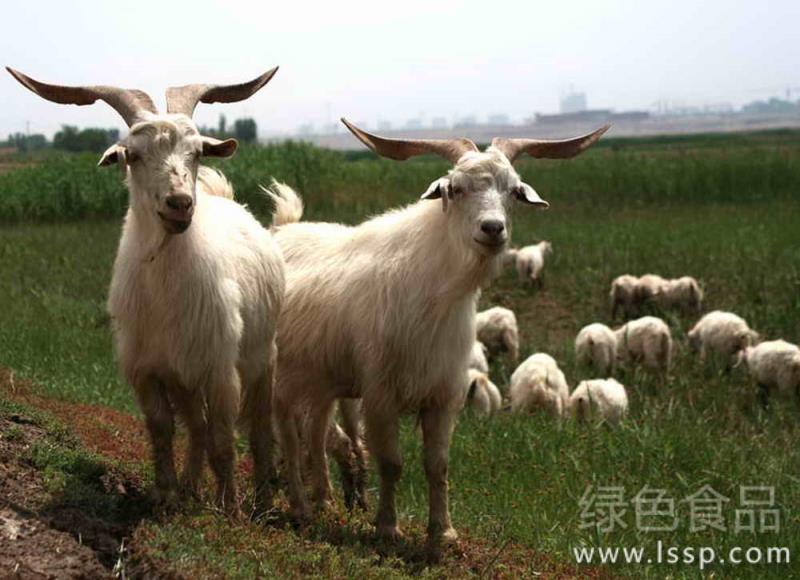
Sheep foot-and-mouth disease has a high mortality rate; how can it be prevented and controlled scientifically?
Sheep foot-and-mouth disease has a high mortality rate; how to prevent and control foot-and-mouth disease in sheep
-
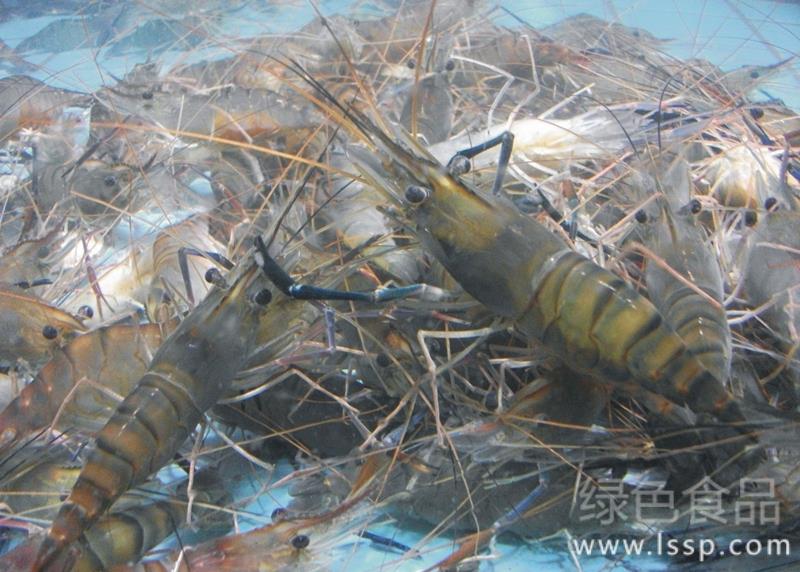
Red body disease in freshwater shrimp (Macrobrachium nipponense) causes explosive mortality - how can it be scientifically prevented and treated?
Red body disease causes explosive mortality in freshwater shrimp - how to prevent and treat red body disease in freshwater shrimp
-
Plastic-mulched cotton grows vigorously, so lodging and premature senescence must be prevented early
Many cotton farmers, in the process of growing plastic-mulched cotton, are prone to some technical mistakes that cause cotton plant lodging and premature senescence. The former is triggered by removing the film too late, while the latter is caused by untimely or insufficient topdressing. Therefore, the following measures should be taken promptly: remove the plastic film at the right time. Plastic-mulched cotton has a much stronger capacity to absorb fertilizer and water in the early stage than directly sown cotton. If the film is removed at the right time and field management is strengthened, plastic-mulched cotton can give full play to its advantages; if the film is removed late or not removed at all, it is not conducive to the cotton roots growing downward, causing most roots to be distributed in the upper soil layer,
-
What causes premature senescence in cotton seed production fields? How should it be prevented and controlled?
As cotton seed production fields are planted year after year, premature senescence occurs from time to time, and has become an important factor restricting the increase of per-unit yield and the improvement of quality in seed production fields. 1. Causes of premature senescence 1. Continuous successive cropping of seed cotton fields In cotton-growing areas, cotton has been planted continuously on the same land for many years, resulting in a lack of organic matter in the plow layer, which cannot satisfy the soil's sustained fertilizer supply effect. At the same time, successive cropping causes the accumulation of pathogenic bacteria in the soil and a reduction in the number of insect-resistant bacteria, blocking the normal growth of the cotton root system, thereby affecting the upper growth of cotton and causing premature senescence. 2. Cotton
-
How are nutritional and metabolic diseases in foxes diagnosed, prevented and treated?
Nutritional and metabolic diseases refer to conditions where the nutrients contained in the feed, especially vitamins and minerals, are supplied in amounts that cannot meet the growth and development needs of the fox's body. Sometimes nutritional and metabolic diseases occur not because the nutrient content of the feed is insufficient, but because the animal's digestive function is impaired. When formulating feed, attention should also be paid to the interrelationships between vitamins and between minerals (complementary or antagonistic). The nutritional and metabolic diseases that fur-bearing animals are prone to mainly include the following five types. (1) Vitamin A deficiency Vitamin A deficiency
-
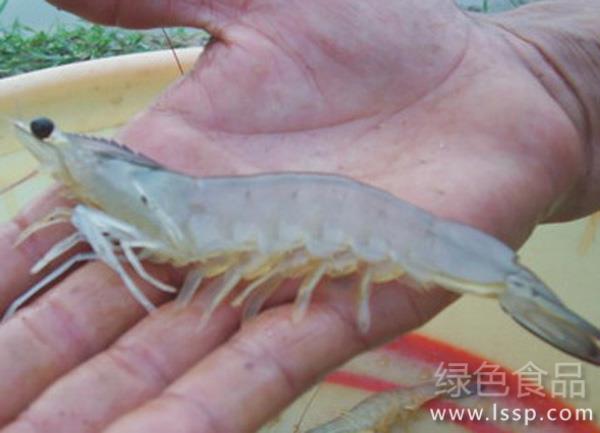
Soft-shell syndrome in prawns occurs at a high rate; how can it be prevented and treated in farming?
Prevention and treatment of soft-shell syndrome, which prawn farming is prone to
-

Mastitis in female rabbits can be fatal in severe cases; how can it be prevented?
Mastitis can cause death in female rabbits in severe cases; how to prevent mastitis in female rabbits
条件筛选