Soft-shell syndrome in prawns occurs at a high rate; how can it be prevented and treated in farming?
During the farming process, prawns are very prone to soft-shell syndrome, and both adult prawns and juvenile prawns can be affected. The incidence of soft-shell syndrome is closely related to the farming environment and feed quality. The editor will now introduce in detail the prevention and treatment methods for prawn soft-shell syndrome.
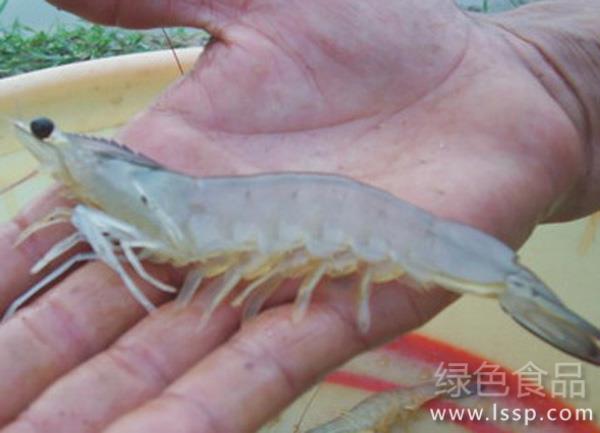
Prawn soft-shell syndrome
1. Pond preparation:
Remove the mud at the bottom of the prawn pond, and dry the pond for 15-30 days, sun-drying until the bottom mud cracks. 15 days before stocking the seedlings, fill the pond with 10 cm of water, and disinfect each mu of prawn pond with 150 kg of quicklime. After 10 days, fill the pond with water to a water level of 0.6 m. 3-5 days before stocking the seedlings, apply decomposed organic fertilizer to the prawn pond at 15-20 kg per mu, to cultivate natural food for the prawn seedlings.
2. Seedling stocking:
After the prawn seedlings enter the pond, they must also be temporarily reared for 7-10 days in a small body of water with salinity within the farming pond. Mark out a small pond equal to 10% of the total area, and separate it from the larger water body using the mud dug from the small pond. On the day of stocking, use coarse salt, magnesium sulfate, etc. according to the proportions of the artificial seawater formula for prawns to adjust the salinity of the small water body to 1.5‰, and be sure to complete this 2 hours before the prawn seedlings enter the pond. When the prawn seedlings arrive at the pond edge, first place the oxygen bags into the prawn pond for 20 minutes, then release the prawn seedlings. Equip 1 mu of prawn nursery pond with 1 small blower, connected to 10-20 air stone balls; the aeration volume should be moderate, so as not to stir up and cloud the pond water. Afterward, add water to the small water body every other day; after 10 days, the salinity of the small water body approaches 0; at this time remove the enclosure so that the prawn seedlings enter the large water body of the pond. The large water body should have fertile water; if the pond water is too clear in the early stage, apply additional fertilizer (organic fertilizer or compound fertilizer) to ensure the pond water becomes dense with a large amount of algae.
3. Water quality management:
(1) In the shallow-water areas around the prawn pond, plant aquatic water spinach over an area equal to 10% of the total prawn pond area. Aquatic water spinach purifies the water quality, and at the same time provides shelter and habitat for prawns during molting, and thins out the relative density of the prawns, thereby increasing yield.
(2) In the early stage after the prawn seedlings enter the large water body, splash 10 kg of quicklime per mu of prawn pond every 15 days, then switch to splashing photosynthetic bacteria (do not apply any drugs for 10 days before applying photosynthetic bacteria); apply once a month, with the standard for the applied photosynthetic bacteria being 3×10E9 live bacteria/mL, and the dosage being 10 mL/cubic meter. It must be applied at noon on a sunny day, to reduce ammonia nitrogen content and improve water quality.
(3) In the pond, install 1 3-kW aerator per 5 mu, run it 5 hours a day, mainly in the latter half of the night; later increase to 10 hours, and ensure it runs for 2 hours at noon on sunny days, to regulate water quality. At ordinary times, persist in observing the water color and the prawns' activity and feeding conditions, and adjust, feed, and turn on the aerator in a timely manner.
Prawn farming
4. Feeding management:
(1) For the first 10 days, feed only a small amount of No. 0 crushed pellet feed for Pacific white shrimp each day. After the prawns enter the large water body, feed 3 times a day: at 8 a.m., feed in the deep-water area, 30% of the feeding amount; at 4 p.m., feed in the shallow-bank area, 30% of the feeding amount; at 9 p.m., feed in the shallow-bank area, 40% of the feeding amount. The amount fed per mu gradually increases from 0.5 kg per day, with the criterion being that the feed is finished within 2 hours. In the later stage of prawn farming, the daily feeding amount per mu should reach 15 kg.
(2) To prevent soft-shell syndrome, regularly feed animal-based feed (crushed fresh river snails) for 3 days before the prawns molt each month, to increase the survival rate of prawns during molting. Starting from the 2nd day after molting, promptly feed pellet feed supplemented with calcium, magnesium, phosphorus, etc., and continue feeding for 5 days; then broadcast into each mu of water body 15 kg of zeolite powder (calcium fluoride), 1.5 kg of monocalcium phosphate, and 2 kg of magnesium sulfate, to increase calcium and magnesium ions in the water and adsorb toxic substances; continue broadcasting for 3-5 days, to reduce prawn soft-shell syndrome and secondary diseases.
5. Disease control:
(1) One week after the prawns enter the large pond, use 0.4 g/cubic meter of strong chlorin once, and at the midway point use once more a ciliate-killing crustacean treatment and fungicide (bromochlorohydantoin, dibromohydantoin, etc.).
(2) In the later stage, broadcast zeolite powder, monocalcium phosphate, and magnesium sulfate, to increase calcium and magnesium ions and adsorb toxic substances, reducing prawn soft-shell syndrome and secondary diseases. At the same time, plant aquatic plants and introduce biological agents to purify the water body; after taking the above measures, reduce the ammonia nitrogen content; the ammonia nitrogen content in the prawn pond can drop from 2.0 mg/L to 0.5 mg/L.