-

In eel farming, gill nephritis must be strictly prevented.
Gill nephritis is a disease that causes great harm to eels. The epidemic period of this disease is relatively long, beginning in December and lasting until May of the following year. Small-sized eel fingerlings can have a mortality rate of over 50% when affected by this disease during the overwintering period. Larger eels develop the disease somewhat later than small-sized fingerlings, generally between February and March. If the disease is severe in autumn, the harm from gill nephritis in winter will be greater. When water temperatures begin to rise in February and March, secondary infections such as water mold disease, red fin disease, and red spot disease are likely to occur. Ponds whose water contains salt generally do not develop this disease, that is,
-
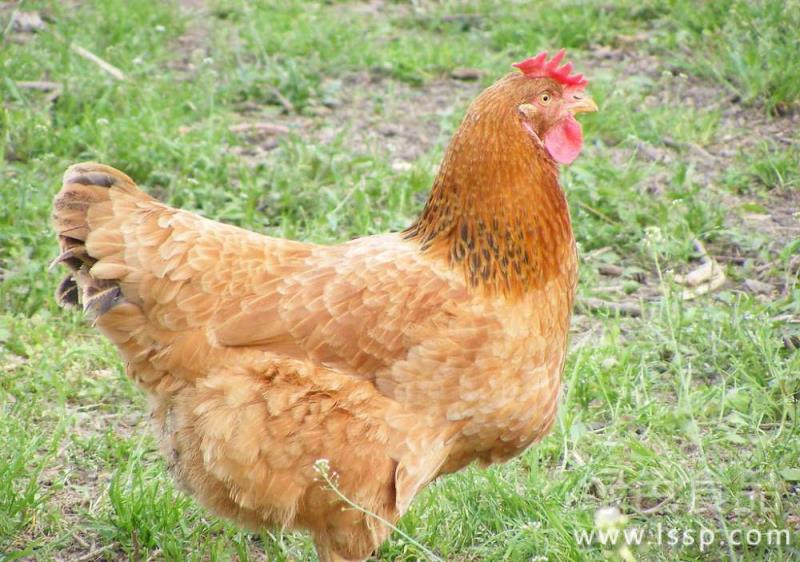
Chicken proventriculitis has many complications and a high mortality rate. How can it be comprehensively prevented and treated?
Proventriculitis has many complications and causes high mortality. Comprehensive prevention and treatment methods for chicken proventriculitis.
-
Sheep nasal bot fly disease is highly harmful; how should it be prevented and treated?
Sheep nasal bot fly disease is a parasitic disease caused by the bot fly parasitizing the nasal cavity and cranial sinuses of sheep. In recent years, among the flocks raised by farmers in our region, because insufficient attention was paid to the prevention and treatment of bot fly disease, the infection rate of sheep nasal bot fly disease rose sharply, affecting the normal growth and development of sheep and seriously affecting the fattening results of sheep. Through in-depth systematic investigation and study of sheep nasal bot fly disease among farmers and farms, and observation of prevention and treatment, the author achieved relatively good results, now reported as follows: 1. Pathogen
-
Pig gastric ulcers can cause anorexia, abdominal discomfort, constipation, and diarrhea. How can they be prevented and treated?
Prevention and treatment measures for pig gastric ulcers with anorexia, abdominal discomfort, constipation, and diarrhea
-
How can azalea chlorosis be prevented and treated effectively?
Azalea chlorosis is a physiological disease, but the causes of chlorosis are complex. If prevention and treatment are carried out blindly, it is often futile. Therefore, careful observation must be made to determine the condition, identify the cause, and then apply the right remedy for it to be effective. The various symptoms, causes and effective prevention and treatment measures for azalea chlorosis are described below: 1. Iron deficiency. 1. Soil iron deficiency: The formation of chlorophyll requires elements such as iron and nitrogen, and the phenomenon of chlorosis caused by soil iron deficiency occurs frequently. Therefore, supplementing the iron element in the soil is crucial. Ferrous
-
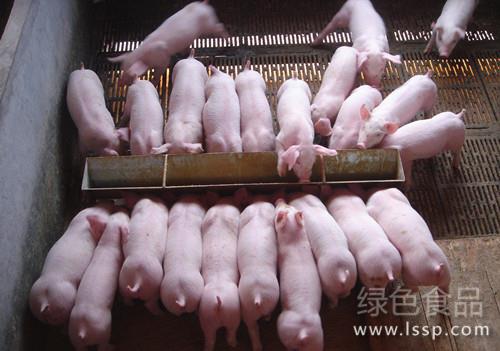
A pig's rectum has prolapsed from the anus and cannot be pushed back in; how should prolapse of the anus be prevented and treated?
How to prevent and treat prolapse of the anus in pigs when the rectum has prolapsed from the anus and cannot be pushed back
-
What are the characteristics of sheep struck (enterotoxemia) and how is it prevented and treated?
Sheep struck is a toxemia caused by Clostridium welchii type C, clinically characterized by acute death, peritonitis and ulcerative enteritis. I. Pathogen Clostridium welchii, also known as "Bacillus aerogenes capsulatus," belongs taxonomically to the genus Clostridium. This bacterium is Gram-positive, can form a capsule in the animal body, and its spores are located in the center of the bacterial cell. This bacterium can produce multiple exotoxins such as alpha, beta, epsilon and iota; based on toxin-antitoxin neutralization tests, Clostridium welchii can be divided into 5 toxin types: a, b, C, D and E. Sheep
-
How should reishi mushroom bridge worms be prevented and controlled?
The reishi mushroom bridge worm (scientific name to be determined) belongs to the order Lepidoptera, family Geometridae. This pest damages reishi mushroom fruiting bodies. Young larvae feed on the surface and edges of the cap, causing pits and notches. After the 3rd instar, they can bore directly into the interior of the fruiting body and excrete large amounts of frass, which not only contaminates the mushroom bodies but also encourages the proliferation of weeds such as green mold, harming reishi mushroom growth and reducing yield and quality. (1) Morphological characteristics. Adult: body length 12 mm, wingspan 25-28 mm, body grayish black; antennae filiform, outer margin of forewing with 8 small black spots, a larger black spot in the middle of the costal margin,
-
How should Neurospora disease in lingzhi (reishi) be prevented and controlled?
The scientific name of Neurospora is Neurosporasitophila Sh. et Dodge; it is also called red bread mold (Neurospora sitophila) or red bread mold, bread mold, Neurospora, and Monilia. It belongs to the subdivision Ascomycotina, order Sordariales, genus Neurospora. It is a contaminant fungus that poses a very great threat in the production of lingzhi edible mushroom spawn. It spreads relatively quickly. Symptoms: after the mother spawn is infected, flesh-red to red conidial masses form on the outside of the cotton plug, surrounding the entire bottle mouth, and at the slightest touch there is a phenomenon of powder scattering and spreading.
-
How should the four common bean diseases be prevented and controlled?
1. Root drowning: Beans prefer moisture and tolerate drought but not waterlogging. Therefore, on the basis of ridge cultivation, small amounts of water should be applied to avoid water accumulation in the field, which prevents the roots from breathing and causes plant death. Control measures: Avoid flood irrigation. If there is heavy rain, drain the water promptly. After the weather clears, if conditions permit, appropriate shallow hoeing can be done to increase soil permeability and improve root vitality. 2. Phytophthora blight: It mainly damages the stems and vines, and sometimes the leaves and pods are also affected. It constricts at the base of the stem, causing the upper part to wilt and die. When humidity is high, white mycelium is produced on the diseased part.
条件筛选