-
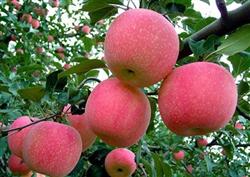
How to Improve the Color of Red Fuji Apples? A Full Breakdown of Practical Management Tips
How to improve the color of Red Fuji apples? Please explain: once the sun-facing side of the fruit has colored, promptly remove the leaves that shade the fruit and affect its coloring. For the uncolored side of the fruit or the touching surfaces of two twin fruits, they should be turned toward the sunny side at the right time. In the later stage of fruit growth, stakes and branch tying should be set up in time to prevent overlapping, squeezing, and drooping of fruiting branches that touch the ground and affect coloring.
-
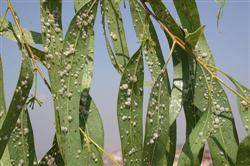
Eucalyptus Pest and Disease Control Methods and Key Practical Techniques
The main pests and diseases of eucalyptus include: bacterial wilt, leaf blight (commonly known as defoliation disease), eucalyptus seedling stem rot, eucalyptus leaf roller, termites, and scarab beetles, etc. (1) Bacterial wilt: When the bacterial wilt pathogen infects young trees in the forest, the above-ground symptoms can be divided into two types. The first is the acute type, in which the leaves of the diseased plant rapidly lose water and wilt, hanging on the branches without falling off, showing the typical "green wilt" symptom. For this type of diseased plant, the time from onset to the death of the whole plant is relatively short, generally only 2-3 weeks. The second is the chronic type, in which the diseased plant shows stunted growth, dwarfism, and the lower leaves first turn purplish-red, then gradually deepen and spread upward, and finally the leaves dry up and fall off. Some stems and side branches develop irregular dark brown necrotic spots, and in severe cases the entire plant dies. For this type, the time from onset to the death of the whole plant is relatively long, generally 3-6 months. Eucalyptus bacterial wilt is prone to epidemic outbreaks under high temperature and high humidity. Root collar injury, surface runoff, and root-to-root contact between plants are the main pathways for pathogen invasion and spread. Control measures: select disease-resistant strains; carry out quarantine of seedlings before leaving the nursery, and try to avoid bringing diseased seedlings to the plantation; also try to avoid establishing eucalyptus plantations on forest land that is likely to carry Pseudomonas solanacearum (soil where peanuts, tobacco, potatoes, tomatoes, mulberries, kapok, beefwood, and canna have been planted); do not apply undecomposed organic fertilizer; strengthen tending and management to improve tree disease resistance. After a plant becomes diseased, there is still no proven effective control method; once discovered, the only option is to immediately pull it out roots and all, spread lime on the soil in the planting hole for disinfection, and destroy the diseased plant.
-
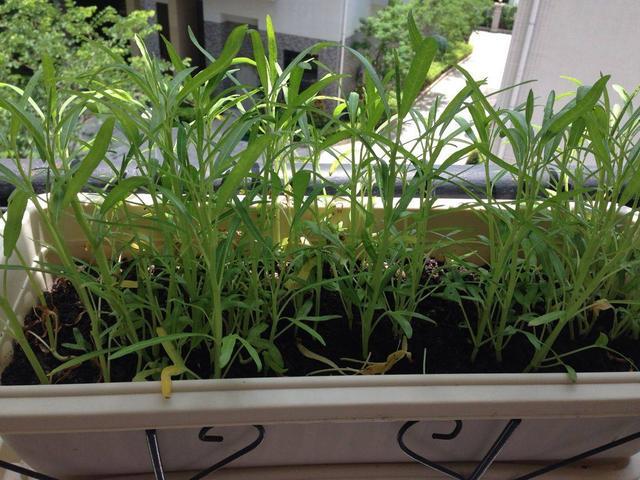
Water spinach balcony growing tips, simple, practical and tasty
Water spinach, everyone should know it, right? It could be considered a plant you can eat every day, and it is a very common vegetable. In most people's minds, vegetables should be grown in the yard or in the fields, but water spinach can actually...
-
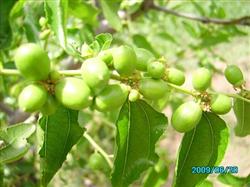
How can the fruit-setting rate of winter jujube be improved? These methods are very practical
How can the fruit-setting rate of winter jujube be improved? Please advise on methods. The fruit-setting rate of winter jujube can be improved through the following methods: 1. Summer pruning. For winter jujube trees that have entered the fruiting stage, to achieve normal fruit setting, in addition to proper winter pruning, summer pruning must also be done well. Summer pruning begins at sprouting, and all secondary shoots that do not need to be cultivated should be removed. In May...
-
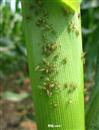
How to control aphids in cornfields? These methods are very practical
How to control aphids in cornfields? The methods for controlling aphids in cornfields are as follows: (1) Chemical control: use 5% phorate granules at 200 g per 667 sq m, mix with 1.5 kg of fine sand or soil, apply the pesticide every other ridge, and fumigate to kill the aphids; spray 0.5% dimethoate powder at 1.5-2.0 kg per 667 sq m, or 50% dimethoate...
-
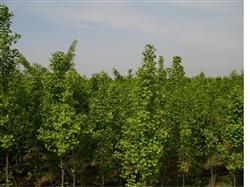
How to Fertilize Ginkgo Trees? A Full Guide to Practical Fertilization Techniques
1. Choose a suitable planting site. The plot for planting ginkgo must have deep, fertile soil, with a mature soil layer of no less than 30 cm, organic matter content greater than 1%, a year-round groundwater level below 2.5 m, and soil salt content no more than 0.05%. 2. Do not use fake grafted ginkgo seedlings. Ginkgo seedlings are divided into seedling-grown and grafted seedlings, ...
-
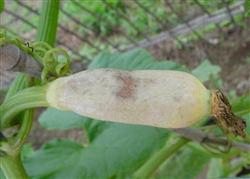
How to prevent pumpkin fruit abortion? A full breakdown of practical prevention methods
How to prevent pumpkin fruit abortion? Please explain the methods. The causes of pumpkin fruit abortion and the control methods can refer to the following: Causes (1) Main symptoms: young fruit that has grown to a certain size stops growing, gradually turns yellow and shrinks, and finally dries up or drops off. (2) Causes of the disease: poor pollen development. In early spring in greenhouses the temperature is low, and in the later stage of plastic tunnels the temperature is too high, causing poor pollen
-
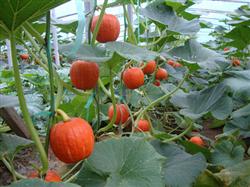
What are the ways to increase pumpkin yields? Practical tips shared
What are the ways to increase pumpkin yields? Please introduce a few useful ones. To increase pumpkin yields, besides selecting excellent varieties, sowing at the right time, and fertilizing reasonably, during the cultivation and management process, you can refer to the following methods: Pinching the top: when the vine grows to 2 m, remove the growing point of the main vine, and 3 to 4 side vines will grow....
-
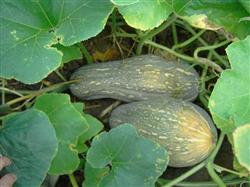
What are some practical ways to increase pumpkin yields?
What are some practical ways to increase pumpkin yields? Please give me some advice. To increase pumpkin yields, you can refer to the following methods (I hope some of them suit you): 1. Pinching off the growing tip: when the vine reaches 2 m, remove the growing point of the main vine. In this way, the main vine whose growing point has been removed will produce 3 to 4 branch vines, and let the branch vines flower and set fruit....
-
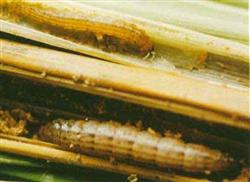
How to control rice stem borers? Practical methods and techniques explained
How to control rice stem borers? Please advise. Rice stem borers are commonly known as dead-heart borers, among which the most widespread and serious are the striped stem borer and the yellow stem borer, along with the rice skipper and the greater rice stem borer. The striped stem borer damages not only rice but also gramineous crops such as corn and wheat, while the yellow stem borer is a monophagous pest that attacks only rice. For...
条件筛选