-
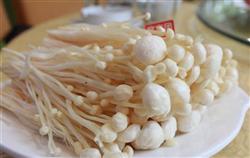
Detailed Explanation of the Cultivation Methods and Technical Key Points for White Golden Needle Mushroom
How is the white golden needle mushroom cultivated? Experienced netizens are asked to help introduce the detailed steps. Golden needle mushroom is divided by color into three major categories: yellow types, light-colored types, and white types. The white golden needle mushroom is a type of golden needle mushroom. Its fruiting body is pure white and it has extremely strong cold resistance. It can fruit at below 15°C, and the fruiting quality is best when fruiting below 10°C. The white...
-
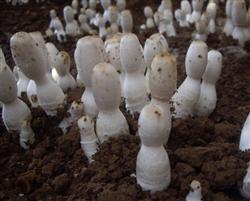
Detailed Explanation of Cultivation Methods and Technical Key Points for the Shaggy Mane Mushroom
What should be noted in shaggy mane cultivation? Is there any netizen who knows about it and can help explain? The shaggy mane mushroom is rich in nutrients, delicious in taste, and has an excellent texture. Regular consumption helps to increase appetite, aid digestion, and enhance human immunity, and it has very high nutritional value. However, there are many key links that need attention when growing shaggy mane mushrooms, so Zhongdi...
-
Watering Methods and Technical Key Points for Button Mushroom Cultivation
How to water button mushrooms during cultivation? What should be noted? Is there any fellow gardener who can explain the key points of watering button mushrooms in production, from casing soil onward until fruiting, in addition to routine management? Proper watering plays an important role in ensuring the number and vigor of mycelium, ensuring the number and uniformity of pinheads, and ensuring the...
-
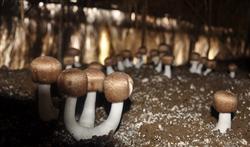
How to apply supplemental fertilizer during mushroom cultivation? Master these key points
How do you apply supplemental fertilizer when growing mushrooms? What fertilizer is best for mushrooms? I hope experienced netizens can help explain. During mushroom cultivation, generally after three harvests the nutrients in the growing medium decrease, acidity rises, the vitality of the mycelium weakens, and yield and quality decline. To achieve high-quality, high-yield mushrooms, supplemental fertilizer must be applied...
-

What precautions are there for cultivating lion's mane mushroom (Hericium erinaceus)? Master the key growing points
What should be noted when cultivating lion's mane mushroom? Please give guidance. The Zhongdi Network has compiled the key points for cultivating lion's mane mushroom, listed below for netizens' reference. Note 1: Reasonable selection of materials and scientific formula. The raw materials for cultivating lion's mane mushroom are extremely wide-ranging, such as cottonseed hulls, sawdust, corncobs, bean stalks, wild grass, distillers' grains, etc., suit...
-

How to cultivate lion's mane mushroom (Hericium erinaceus) for high yields? Detailed explanation of the key technical points
How to cultivate lion's mane mushroom for high yields? Here is the method. To achieve high yields when cultivating lion's mane mushroom, start with the following points: Select good-quality spawn: First, the mother spawn used for production should have excellent traits, shown by fast growth, uniform and neat, and covering the slant within two weeks at suitable temperature. When stored in a refrigerator, it often forms primordia, and microscopic examination shows a small number of chlamydospores; if there are too many spores, the yield tends to be low. If the mycelium turns yellow, is thin and weak, or sparse, it indicates spawn degeneration. Uneven or irregular growth, or antagonistic phenomena, indicates the spawn is impure, and none of these can be used.
-

Key Technical Points for Cultivating Shaggy Mane Mushroom (Coprinus comatus) with Distiller's Grains
Distiller's grains are a good raw material for cultivating edible mushrooms. Their nutrient composition is suitable for the mycelial growth of shaggy mane mushroom (Coprinus comatus) and other mushrooms, which can both reduce the cost of edible mushroom production and solve environmental pollution. Distiller's grains contain a small amount of ethanol and active yeast that are harmful to mycelial growth, and are highly acidic, with a pH value of about 3-5. Choose fresh...
-
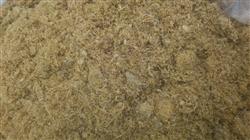
What are the points to note when preparing the substrate mix for tea tree mushrooms?
What should be noted in the substrate mix for tea tree mushrooms? I hope a fellow grower can give some guidance. Factors that easily lead to substandard substrate mix in the tea tree mushroom formula: the bioconversion rate of the tea tree mushroom (Agrocybe aegerita) can reach 133%, meaning that 100 kg of substrate (dry material) can produce 133 kg of fresh mushrooms. Although there are many factors behind substandard yields, one very important reason is improper culture...
-
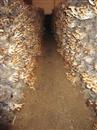
What points should be noted when growing Agrocybe aegerita (tea tree mushroom)?
What should be noted when cultivating Agrocybe aegerita (tea tree mushroom)? Please give guidance. When growing Agrocybe aegerita, the following points should be noted: 1. Cultivation season for Agrocybe aegerita: according to the biological characteristics of Agrocybe aegerita mycelium growth temperature of 10-35°C, optimum temperature 22-27°C; fruiting body formation and growth temperature 16-32°C, optimum 20-28°C, scientifically arrange...
-
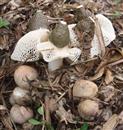
How to Grow Dictyophora indusiata (Bamboo Fungus) with Standardized Cultivation? Key Technical Points Explained
How do you grow bamboo fungus with standardized methods? What should you pay attention to? We also ask experienced growers to kindly share their know-how on standardized bamboo fungus cultivation techniques. Zhongdi Web gives a detailed introduction below for growers' reference. 1. Environmental requirements for bamboo fungus: Nutritional requirements of bamboo fungus: bamboo fungus is a nitrogen-loving fungus, and nitrogen is the raw material necessary for bamboo fungus to synthesize proteins and nucleic acids. If the nitrogen level is too low, the mycelium will not grow thick and strong, and yields will be low. Generally, bamboo powder and sawdust are deficient in nitrogen sources. When building piles for fermentation, add urea to the substrate, and apply additional urea to the cultivation site to increase nutrients in the cultivation site, promote thick and vigorous mycelial growth, and raise yields.
条件筛选