-

The Latest Technical Guide to Controlling Bean Pod Borer
In bean production, the most important pest is the pod borer. Its adults are scattered and well hidden, lay eggs over a wide area and in large numbers, and are difficult to control, making it one of the main reasons affecting bean quality. So how should the bean pod borer be controlled? Let's take a look.
-
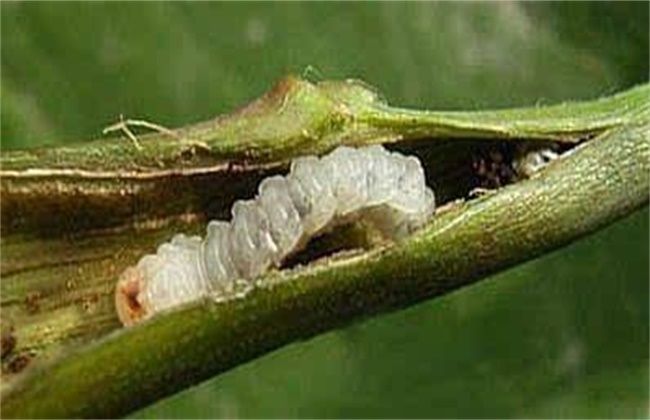
What are the control measures for the bean pod borer in common beans?
Control measures for the bean pod borer in common beans
-

Detailed Explanation of the Key Control Techniques for Bean Pod Borer
Control Techniques for Bean Pod Borer
-
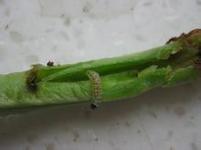
What are the control methods for the bean pod borer?
The bean pod borer, also called the cowpea pod borer, is one of the main pests of beans. The adult cowpea pod borer is dispersed and hidden, flies over a wide range to lay eggs, and lays many eggs, so it is not easy to kill or trap by spraying. Adults lay eggs on the tender leaves of the plant, and after about 5--7 days they hatch and bore into the pods to feed on the beans. Larvae over 3rd instar bore into the pods, and spraying...
-
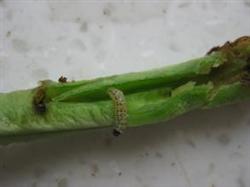
For high yardlong bean yields, preventing the pod borer is key
The adult pod borer moths lay eggs on the tender leaves of the plants. After 5-7 days, the hatched larvae bore into the pods and feed on the beans. Once larvae past the 3rd instar have bored into the pods, spraying pesticides can hardly kill them. Therefore, to control this pest, fertilizer and water management should be strengthened to ensure uniform growth and a relatively concentrated flowering and pod-setting period, so that in the critical period the pest can be...
-
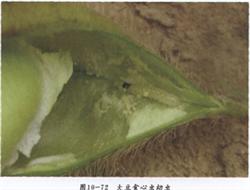
What damage does the soybean pod borer cause? A detailed explanation of control techniques and methods
The soybean pod borer belongs to the order Lepidoptera, family Tortricidae, and is also known as the soybean pod-boring moth, pod worm, and small red worm. Its larvae bore into soybean pods and feed on the beans, with an annual bean-feeding rate of about 10-20%, up to 30-40% in severe cases and as high as 80% at worst, and it also affects soybean quality and lowers the grade. When the soybean pod borer appears in the field...
-
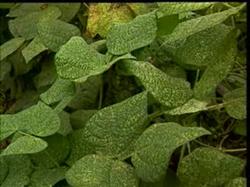
Identification and Control Methods for the Mung Bean Pest, the Legume Pod Borer
(1) Damage conditions. Also known as the cowpea pod borer, the legume pod borer, and the cowpea borer. It is fairly widespread in China, with severe outbreaks south of the Yangtze River. The larvae bore into and feed on the host's flower organs, causing flowers to drop; they bore into pods, causing pod drop in the early stage and pod and seed rot in the later stage. In addition, they can spin silk to tie several leaves together and roll them up, ...
-
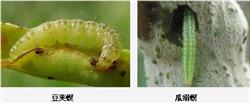
How to control the bean pod borer? These methods work well
How to control the bean pod borer? Please explain. The bean pod borer, also called the cowpea pod borer, is one of the main pests of beans. The adult cowpea pod borer is scattered and hidden, lays eggs over a wide area and in large numbers, and is not easy to kill by spraying or trap. Control methods: First, before sowing, the soil must be treated to kill insects, and the pesticide should be...
-
A Complete Guide to the Control Techniques for the Soybean Pod Borer
Control Techniques for the Soybean Pod Borer
-
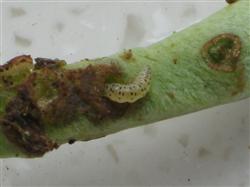
How to control the bean pod borer when growing yardlong beans?
How to best control the bean pod borer when growing yardlong beans? Please explain the methods. The yardlong bean pod borer, also called the yardlong bean moth, is one of the main pests of yardlong beans. The adult yardlong bean moths are scattered and concealed, fly over a wide range to lay eggs, and lay many eggs, so they are not easy to kill by spraying or trap. The adults lay eggs on the tender leaf parts of the plant, and after hatching in about 5--7 days the larvae bore into...
条件筛选