-
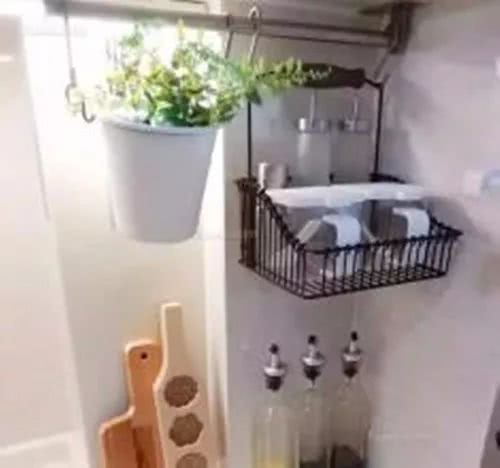
Plants grown on the wall are surprisingly this beautiful - city folks really know how to have fun
Looking at other people's walls, they're so varied and full of character, yet does your own wall always feel like it's missing something? Hanging photos feels too outdated, and that's when the plants we grow can come in handy - hang plants on the wall...
-
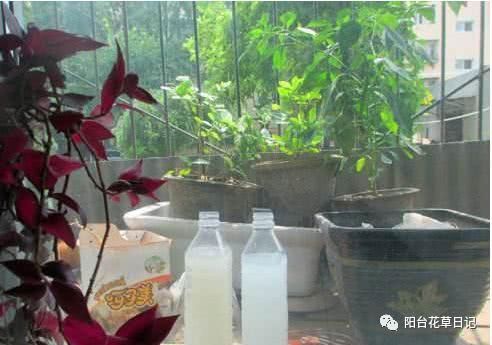
Using rice water to water flowers: if the method is wrong, it is like poison; every plant you keep dies
Many friends have heard that rice water is great for watering flowers, so every time they cook rice they pour the leftover rice water into the flower pot. But before long they find that their plants not only fail to grow well, but even get root rot, yellow leaves and die. This is because they have not mastered the correct way to use rice water...
-

The gazania is the easiest flowering plant I have ever grown, and it is especially prone to filling out its pot and bursting with blooms.
From leaves and stems to petals, the gazania radiates a delicate beauty. Its colors are vibrant yet never chaotic, like a splendid musical movement. I remember the first time I saw it at a flower show, I was absolutely delighted and took photo after photo...
-
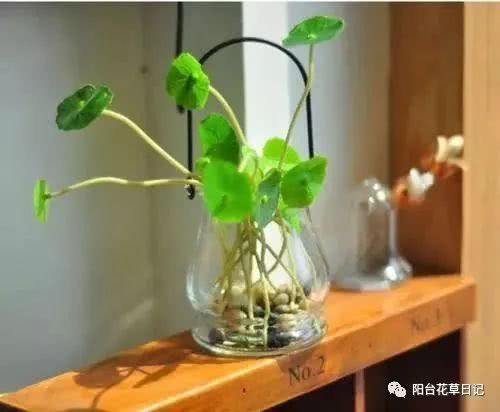
Growing hydroponic plants in the office, so beautiful that colleagues are jealous
Many people like to keep hydroponic plants in the office; after work they can still see lovely plants, feel more motivated to work, and the plants are relatively easy to care for, but there are also some points to note. When caring for plants hydroponically, you only need to top up...
-
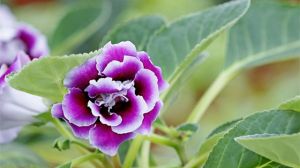
How to repot gloxinia? Detailed explanation of the correct method and steps
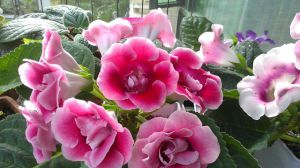
It should be repotted in winter, then choose the required soil, and afterward dig out the dormant tuber; if there are a lot of roots, they can be trimmed appropriately. There is also a trick to choosing the pot: it only needs to be a little larger than the tuber, and the upper half of the tuber must be left exposed.
-
How to propagate gloxinia? A detailed explanation of common propagation methods
Its propagation methods include sowing, bulb division, stem cutting, leaf cutting and shoot cutting. The first is to sprinkle the seeds onto the soil. The second is to place the bulb in the soil, then plant it in a new flower pot. The third is to insert its leaf stalk diagonally into the growing medium, keeping the soil moist. The fourth requires waiting until its bulb grows shoots a few centimeters long, then breaking them off and inserting them into the soil.
-
What to do when a jade plant becomes leggy? The correct way to handle it is here
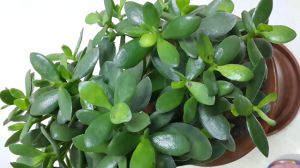
We need to pay attention to the care method: give it enough light, then shade it a bit, water once a month, and when the jade plant grows to about 15 cm, prune it or pinch off the top to encourage branching. You can also propagate it by leaf cuttings to create multiple plants.
-
A detailed explanation of the whole soil improvement process: methods and steps clearly explained in one go
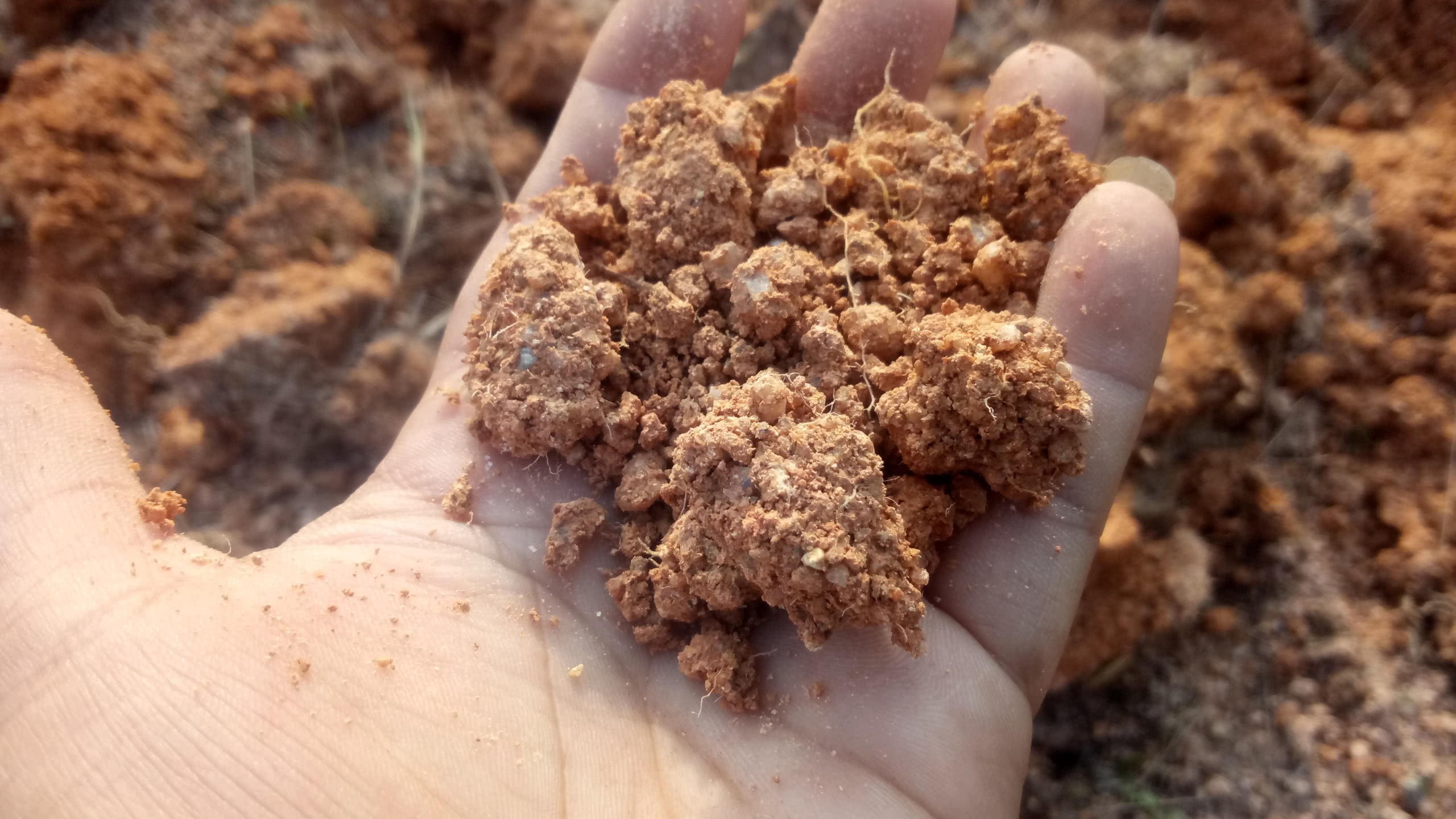
Soil environment: too much sand and gravel, acidic and clayey, prone to compaction, very poor water permeability and aeration, poor aggregate structure and cation exchange capacity. Plants grow weakly, flowers are weak, and they do not tiller or branch easily. Weeds are severe. The original soil here has been planted too many times...
-
Keep these plants at home and you will never have to worry about lingering formaldehyde again
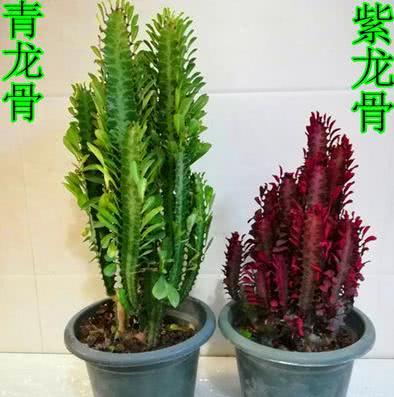
Keep these plants at home and you will never have to worry about lingering formaldehyde again; I regret not knowing this sooner. After a new home is renovated, there will be a strong odor, and it takes some time before you can move in. This is because the main component of renovation materials is formaldehyde, which produces harmful gases during home decoration. We all know that excessively high formaldehyde levels are extremely harmful to the human body. When formaldehyde concentration is too high, it can cause a series of diseases, and in severe cases it may even cause cancer. Usually, the only option is to open the windows for ventilation to let the odor disperse. However, this method has a major drawback: it takes a very long time to completely remove formaldehyde. But besides this method, there is a faster approach, which is to place several kinds of plants in the home. They can not only purify formaldehyde but also make the indoor space more beautiful.
-

Plants look better than I do? If you don't believe it, grow some and see
Farmer Fisherman Ten Years Beijing Xiaomeng 00:00/04:01 ...
条件筛选