Using rice water to water flowers: if the method is wrong, it is like poison; every plant you keep dies
Many friends have heard that rice water is great for watering flowers, so every time they cook rice they pour the leftover rice water into the flower pot. But before long they find that their plants not only fail to grow well, but even get root rot, yellow leaves and die. This is because they have not mastered the correct method of watering flowers with rice water.
Can rice water be used to water flowers?
Rice water is rich in phosphorus, nitrogen and trace elements, all of which are nutrients that flowers need to grow. After fermentation, rice water becomes an especially valuable organic fertilizer. Organic fertilizer needs to be decomposed and fermented before its nutrients can be absorbed by plants.
Wrong ways to use rice water:
1. Pouring rice water directly into the pot
Rice water is indeed rich in nutrients, but it must be fermented before being used on flowers. Watering flowers with it directly will burn the roots, and over time it will also cause the soil to harden, blocking root respiration. The plant is surely not far from death!
2. Using it on alkaline-loving flowers
Some flower growers do use properly fermented rice water, but why do their flowers still die? The reason is that fermented rice water is acidic, yet it was used on flowers that prefer alkaline conditions, such as cacti and ball cacti.
Rice water needs to be fully fermented before it can be used to water flowers. If fresh rice water is poured into a flower pot, it will ferment inside the pot and produce heat, which burns the plant's roots. In addition, long-term use of unfermented rice water will gradually make the potting soil hard and compacted, which hinders root respiration and causes the plant to die.
How to ferment rice water
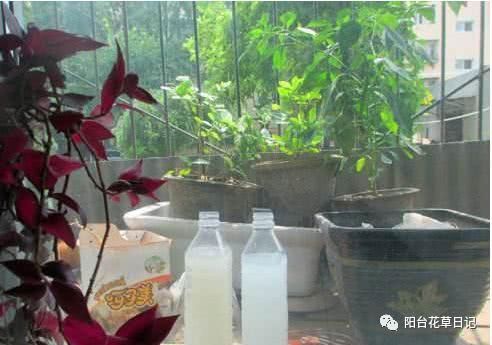
First pour the rice water into a plastic bottle and put the cap on (do not screw the cap on too tightly, so that the gas produced during fermentation does not burst the bottle), then leave it in the sun for about a week. The fermentation time may vary depending on the temperature. Watch the bottom of the bottle: if the white sediment at the bottom is gone and the water has turned yellow or yellowish-black, it is ready. To prevent the rice water from smelling bad during fermentation, you can add chopped pomelo peel, tangerine peel, orange peel, etc.
Correct use
Fully fermented rice water is mildly acidic. Dilute it with about five times its volume of tap water before watering flowers; this can improve alkaline soil. After watering plants with diluted rice water, apply it lightly and sparingly to avoid making the soil too acidic, which is bad for plant growth.
Suitable plants
Fermented rice water is rich in trace elements such as nitrogen, phosphorus, potassium, iron, magnesium, copper, zinc and molybdenum, making it a pollution-free, safe and nutritionally complete compound fertilizer. It can be used to water jasmine, rhododendron, Aglaia odorata, camellia, pothos, peace lily, money tree and so on, promoting robust growth, lush foliage, more and more colorful flowers and a longer flowering period, and preventing chlorosis.
Plants it must not be used on
For plants that prefer neutral or alkaline soil, rice water must not be used, such as cacti, ball cacti, maidenhair fern, hyacinth and rose of Sharon.
There are quite a few other things like rice water that are only good to use after fermentation
Potato water
The water used to rinse shredded or chopped potatoes contains a lot of starch and is rich in nitrogen, phosphorus, calcium and trace elements, so it is also a good fertilizer water for flowers.
What flowers can potato water be used on?
Flowers such as pothos, asparagus fern and money tree can all be watered with fermented potato water. They grow as if they were given hormones, several times faster, with dense clusters of flowers!
Leftover tea
Leftover tea contains nutrients such as vitamins, potassium, calcium and zinc. Do not pour away leftover tea; collect it and use it to water flowers. This saves money on flower fertilizer and can also make flowers grow vigorously and fill the pot.
What flowers can leftover tea be used on?
Leftover tea can be used on Aglaia odorata, rhododendron, camellia, gardenia and so on, making them fill the pot rapidly, with big, green leaves!
Meat-blanching water
Before eating raw meat such as pork or chicken, many people are used to blanching it first in boiling water to remove residual blood and the gamey smell. Meat-blanching water contains nitrogen, phosphorus, calcium and trace elements, so it is absolutely a great thing for watering flowers!
What flowers can meat-blanching water be used on?
Flowers such as pothos, clivia and money tree can all be watered with meat-blanching water, making the stems thicker and thicker and the leaves densely packed!
Soybean water
Before making soy milk or doufunao, the water used to soak soybeans, or before making doubanjiang, the water used to boil soybeans, contains nitrogen. It could not be more suitable for watering flowers, making them shoot up wildly and quickly become a green wall!
What flowers can soybean water be used on?
Most foliage plants can be watered with fermented soybean water, such as pothos, radermachera and spider plant.
Expired milk
Expired milk is rich in nitrogen, phosphorus and potassium, and can be used to water flowers, making them grow nearly 2 times faster, with leaves as green as emerald, and making the flowers bloom more and more brilliantly!
What flowers can expired milk be used on?
Fermented expired milk is on the acidic side, so it is suitable for watering acid-loving flowers such as rhododendron and gardenia, making them grow more and more vigorously, with 50 flowers on a single branch!
Almost every household has this kind of wastewater, so flower lovers should not waste it! If you find this useful, share it with your friends and let them take a look!