Growing hydroponic plants in the office, so beautiful that colleagues are jealous
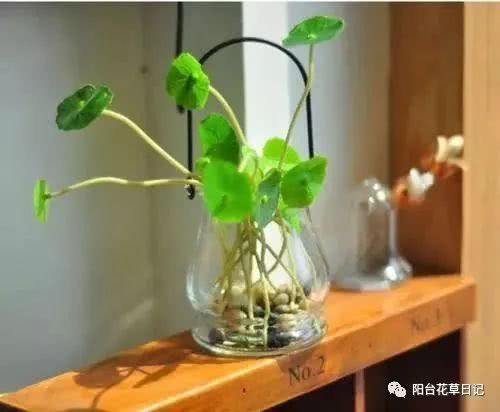
Many people like to keep hydroponic plants in the office; after work they can still see lovely plants, feel more motivated to work, and the plants are relatively easy to care for, but there are also some points to note. When caring for plants hydroponically, you only need to top up the nutrient solution; you can enjoy not only the flowers but also the roots, which is very attractive.
1. Plants suitable for hydroponics
Plants that can generally be grown hydroponically include pothos (Epipremnum aureum), spider plant (Chlorophytum comosum), Swiss cheese plant (Monstera deliciosa), Milanese champion (Aglaia odorata), clivia (Clivia miniata), Chinese rose (Rosa chinensis), lucky bamboo (Dracaena sanderiana), violet (Matthiola incana), Brazilian wood (Dracaena fragrans), money tree (Pachira aquatica), asparagus fern (Asparagus setaceus), lucky bamboo (Dracaena sanderiana), coin grass (Hydrocotyle vulgaris), snake plant (Sansevieria trifasciata), and peace lily (Alocasia macrorrhizos), etc.
2. Containers for growing the plants
It is best to choose a transparent glass container so you can view the plant roots; different hydroponic plants have roots of different colors and shapes, and twisting in the water, they form a unique sight. A glass container also lets you observe the water quality and water level at any time. You can also put colorful stones or small goldfish in the glass container to increase the plant's ornamental appeal.
3. Water for hydroponic plants
Tap water is fine for growing the plants; before use, let the tap water sit for a while first, especially in winter, when the water temperature is lower than room temperature, let the tap water sit even longer. Do not fill the water too full; generally leave 5 to 10 cm of roots above the water surface.
4. Change the water regularly
The water in the container needs to be changed about once a month to prevent it from becoming smelly. In addition, fresh water can provide the plants with more nutrients and oxygen, which helps the plants grow. When changing the water, rinse the plant roots and container with clean water, and cut off dead branches, yellow leaves, and rotten roots.
5. Use nutrient solution appropriately
Hydroponic plants cannot grow on the nutrients in the water alone, so you can use an appropriate amount of nutrient solution. There is nutrient solution specially made for hydroponic plants on the market, and it is inexpensive; dilute it according to the instructions and add it to the water, but do not use too much.
6. Pay attention to placement
Most hydroponic plants are shade-tolerant and intolerant of high temperatures, dry heat, and direct sunlight, so they are suitable for a bright, well-ventilated place. In an air-conditioned office, they should be placed far from the air conditioner vent.
How to grow hydroponic plants
Golden barrel cactus
Placing a hydroponic golden barrel cactus on the office desk can not only add a touch of green to the office but also make people feel happy, and it is very easy to care for. The best time for hydroponic golden barrel cactus is usually summer; temperatures above 20 degrees are very favorable for the growth of hydroponic golden barrel cactus.
Caring for hydroponic golden barrel cactus
When the temperature is suitable, hydroponic golden barrel cactus can have its water changed once a day; just add one drop of nutrient solution when changing the water, and the golden barrel cactus will grow quite well. Golden barrel cactus does not need too many nutrients to grow; in autumn and winter, the water can be changed once a week, and depending on the situation you can add less or no nutrient solution, and the cactus will still grow well.
Gardenia
Gardenia is an evergreen plant in all four seasons, with luxuriant branches and leaves; after blooming, green leaves and white flowers, with a delightful fragrance, fresh and lovely, and hydroponic gardenia is even more beautiful and elegant.
Caring for hydroponic gardenia
Hydroponic gardenia can be done in spring, summer, and autumn, but do not carry out hydroponic activity in winter. In summer, a temperature of 30-35 degrees is the best time for hydroponics, when gardenia roots grow fastest, and gardenia must not be exposed to direct sunlight; it can be placed indoors in a ventilated spot with scattered sunlight for care.
Clivia
Clivia has emerald green, glossy leaves, and its flowers are like orange-red torches, dignified and elegant; hydroponic clivia is pleasing to the eye.
Caring for hydroponic clivia
When growing clivia hydroponically, be sure that the base part of the clivia does not touch the water; you can use sponge or the like to wrap and wedge it into the planting basket so the roots can better contact the nutrient solution. When growing clivia hydroponically, the clivia roots easily release some transparent mucus; once there is mucus on the roots, rinse it off promptly with clean water, otherwise the clivia will suffer root rot. Clivia can be kept indoors or outdoors, and it can bloom at around fourteen leaves.
Cyclamen
Cyclamen is a very beautiful plant, and its flowers bloom gorgeously; placing a pot on the desk is very pretty.
Caring for cyclamen
For cyclamen care, it is best to use mountain spring water and rainwater, not tap water. For hydroponics, you can add a little nutrient solution to the water, and be careful that the water level does not touch the corm; depending on evaporation, just add water 1-2 times a week.
The cyclamen flowering period is generally from October to June of the following year; the best time for hydroponics is September, or April of the following year, so you will not miss the flowering period and can enjoy the beautiful flowers.
Carnation
Carnation can produce beautiful flowers on slender, verdant stems; the petals are compact and not easy to fall, the leaves are long and not easy to curl, the flowers are rich and splendid, the form is even more unique, the colors are brilliant and gorgeous, and they give off a delicate fragrance.
Caring for hydroponic carnations
Hydroponic carnations should be kept away from fruits, vegetables, smoke, and so on, and protected from dust. Carnations are sensitive to "ethylene," so when growing them hydroponically you can add an anti-ethylene preservative to the water; at the same time, do not spray water on the flowers, to avoid causing the flowers to rot.
Phalaenopsis orchid
Phalaenopsis orchid blooms like butterflies resting on the flower stem, with a fresh fragrance and beautiful petals, elegant and dignified; hydroponic phalaenopsis orchid is even more fresh and refined, letting your mood leave the noise of the world and return to tranquility.
Caring for hydroponic phalaenopsis orchid
The best growing time for phalaenopsis orchid is generally around April-May, so you can choose April-May for hydroponics. When the temperature is lower in winter, be careful to maintain lower humidity; when the roots grow normally into the water, be careful to promptly clean the moss off the roots, to avoid root rot.
Kalanchoe
Kalanchoe has a compact plant shape, very small flowers, emerald green leaves, and flowers clustered into balls; the ornamental period can last as long as 2 months, so you must grow hydroponic kalanchoe.
How to care for hydroponic kalanchoe
For hydroponic kalanchoe, you can use rainwater or well water; just submerge one-third or three-quarters of the roots. If the water is dirty or the roots are rotten, deal with it promptly. It needs to be placed in a ventilated, dry place, and should not be exposed to direct sunlight. You can also appropriately add nutrient solution to maintain sufficient nutrients and meet its growth needs; do not let the leaves soak in water, to avoid causing the leaves to rot.
I believe the many flower lovers now have a certain understanding of the methods of hydroponic plants. Hydroponic plants are a beautiful scenery in life and work; hydroponic plants can make people feel happy, help everyone release the pressure of work and life, and let people gain health. You
If you think the plants above are still too challenging, then the following ones are suitable for you!
1. Coin grass (Hydrocotyle vulgaris)
Choose some coin grass with roots (otherwise it is not easy to survive), and arrange the leaf heights according to your own aesthetic. Put it into the container you prepared in advance; a used vinegar bottle or soy sauce bottle from home, washed and rinsed, is enough to set it off. Press on small stones; those childhood glass marbles idling at home can be used now. Add some water. It is even better if you can add a little nutrient solution.
2. Pothos
Choose healthy, strong stems, preferably the parts with aerial roots. Note that the stem part placed in the water had best not have leaves, otherwise leaves soaking in the water can easily affect water quality. In addition, you can also choose a potted plant with a relatively good plant shape, wash the soil off the roots, cut off excess old roots, and put it into clean water; it is very easy to survive. The roots of hydroponic pothos should be cleaned and trimmed often; if the roots are too long, cut them shorter in time to prevent nutrient loss. In the early stage, change the water once every two or three days; later, about once every ten days is fine. It is recommended that the water temperature be consistent with room temperature.
3. Spider plant
Use small scissors to cut a few relatively large spider plants, remove the old leaves, cut off the old roots, leaving only a few new leaves, and slowly place them into a container prepared in advance with something like pebbles (too many old leaves and old roots will delay the sprouting of new roots). New roots will grow in about four days. In the current hot weather, be sure to change the water frequently, because as the temperature rises, the plant's respiration increases, and metabolism will produce some substances harmful to itself in the water.
4. Ivy
As above, choose healthy plants and put them into the container. In the early stage of hydroponics, change the water frequently, once every one to two days. During the rooting period, keep it in a cool place as much as possible, with moderate temperature. After rooting, supplement light. New roots appear in about ten days. After the new roots grow, likewise change the water frequently. In about fifteen days, it becomes increasingly lush.
Hydroponic plants are just this simple, so hurry and grow a pot on your office desk too!