-
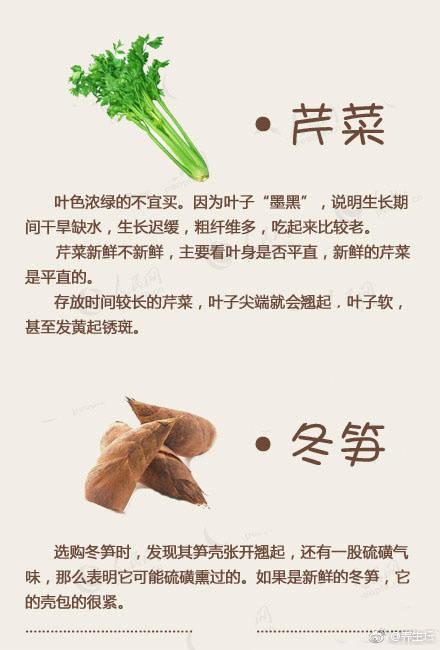
How do you pick vegetables at the supermarket? Master these tips and easily prepare the New Year's Eve dinner
#Healthy New Year Celebration# The festive atmosphere is getting stronger, and many homemakers have already started preparing the New Year's Eve dinner. The New Year's Eve dinner is the most important meal of the year, symbolizing beauty...
-

How Should Pickled Vegetables Be Eaten to Be Healthy? The Right Way to Eat Them Is Key
Many people have heard that vegetables stored for a long time produce nitrites, that pickled vegetables cause cancer, and that they should be eaten as little as possible. In fact, properly made pickles do not...
-
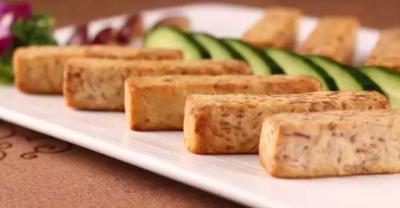
How to pick high-quality vegetables? Good vegetables make good flavor
Weigh it in your hand: pick it up and feel the weight. A cabbage that is full of moisture and feels fairly heavy is very likely a high-quality one~ As for the ones that feel light and airy, the leaves must be dried...
-

How is the new pickling pepper variety Kaidi Pepper King?
I. Characteristics and traits. Kaidi Pepper King pickling pepper has strong growth vigor, plant height 45-53cm, spread 48-53cm, fruit length 18-20cm, fruit diameter 4-6cm, single fruit weight 180-200g, maximum fruit up to 250g; moderate pungency, immature fruit light green, smooth fruit surface, medium-thick pepper flesh, tolerant of transport, high market price, good economic returns. This variety is tolerant of low temperature and weak light, has good growth vigor, and strong fruit-setting ability, making it one of the preferred varieties for protected and open-field cultivation in various regions. II. Cultivation points
-
Detailed explanation of the method and steps for pickling Laba garlic
Residents in the northern regions of China usually have the habit of pickling garlic around the eighth day of the twelfth lunar month (the eighth day of the twelfth lunar month) each year. The garlic pickled during this period is green in color, and with its distinctive sour, sweet, and spicy flavors, it can be called a food with fresh color and delicious taste. People habitually call it "Laba garlic." Laba garlic has the effect of stimulating the appetite and aiding digestion. It is a cheap and excellent side dish. Not only is the garlic flesh edible, but the sweet and sour vinegar from the pickled garlic is also a condiment for people when eating dumplings or mixing cold dishes, and it can also be consumed as a soup to sober one up. However, the traditional method of pickling Laba garlic
-
Two Processing Methods for Dehydrated Garlic Slices and Sweet-and-Sour Pickled Garlic
1. Dehydrated garlic slices: Select fresh garlic bulbs that are well matured, free of injuries, pests and diseases, white in color and large in size. After removing the stems, separating the cloves and peeling, slice them while wet, then rinse in an aqueous citric acid solution to reduce the activity of garlic enzymes. Note that rinsing must be completed within 24 hours after slicing, so as to prevent the garlic slices from producing colored pigments due to oxidation, which would affect the color of the finished product. Place the rinsed garlic slices in a temperature-controlled dehydrator and dry them in three stages: keep the temperature at around 60°C in the early stage, increase it moderately in the middle stage, and keep it above 70°C in the late stage, but it must not exceed 78°C, so as to prevent the garlic slices from scorching, which would affect flavor and color. When the moisture content of the garlic slices drops to about 5%, the finished product is obtained.
-
Detailed Explanation of the Processing Methods for Dehydrated Garlic Flakes and Sweet-and-Sour Pickled Garlic
I. Dehydrated Garlic Flakes: Select fresh garlic bulbs that are well matured, free of injury, free of pests and diseases, white in color, and large in size. After removing the stem ends, separating the cloves, and peeling, slice them while keeping them wet, then rinse them in an aqueous citric acid solution to reduce the activity of garlic enzymes. Note that rinsing must be completed within 24 hours after slicing, so as to prevent the garlic slices from producing colored pigments due to oxidation, which would affect the color of the finished product. Place the rinsed garlic slices in a temperature-controlled dehydrator and control the temperature in three stages: the temperature in the early stage should be controlled at around 60°C, the temperature should be appropriately increased in the middle stage, and in the late stage it should be controlled at 7
-
Pickled Red Peppers
Ingredients: 10 kg large red peppers, 1.5 kg salt, 10 kg salted brine, 250 g brown sugar. 15 g Sichuan peppercorns and 15 g star anise. Processing: Select fresh, thick-fleshed large red chili peppers that are unbruised and unspoiled and still have their stems, put them together with all the seasonings evenly into a jar and seal it, and they will be ready after about 10 days. Fresh and crisp, sweet and fragrant, mildly spicy.
-
How to pickle sweet garlic? A detailed introduction to two preparation methods
Method 1: Choose purple-skin garlic, remove the fibrous roots, leave 1.5 cm of the garlic stalk, peel off 1-2 layers of outer skin, and wash clean. For every 100 kg of garlic, prepare 3 kg of salt and 3 kg of clean water. When putting it into the jar, add one layer of garlic and one layer of salt, and sprinkle a little clean water. To make it easier to turn the jar, add water to the jar on the night the garlic goes in, until the water is level with the garlic. After adding water, stir and turn once by hand, and turn it again the next morning. Starting from the 3rd day after going into the jar, for 3 consecutive days, change the water once a day to remove the spicy taste. Take it out, drain the water for 1 night, and put it into the crock the next day. For every kg of garlic, add white
-
Processing Methods and Technical Key Points for Pickled Jerusalem Artichoke
Jerusalem artichoke, botanically known as Helianthus tuberosus, is a plant of the Asteraceae family. It can be used to produce health food with a unique flavor. 1. Process flow: raw material processing → sun-drying → initial pickling → removal of brine → second pickling → slicing → rinsing → seasoning → sterilization. 2. Processing key points. 1. Raw material pretreatment: First wash the raw materials with clean water, discard impurities and rotten, damaged, spoiled, or moldy tubers, rinse again with clean water, then place in a bamboo basket to drain. 2. Sun-drying: Spread the rinsed clean raw materials on a bamboo rack or clean cement slab, spread them evenly and thinly, and let them dry in direct sunlight. Turn them once in the morning and once in the afternoon until they feel soft when squeezed by hand; generally dry for 2 days.
条件筛选