-
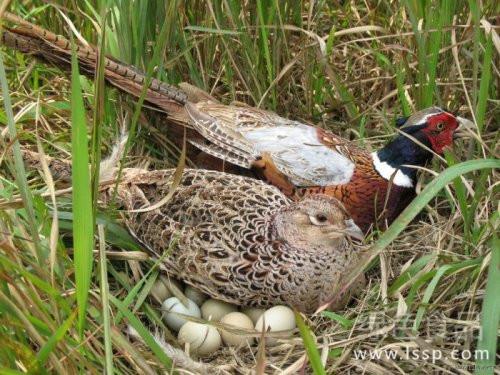
The pheasant egg market is large and the returns are good, so how can the egg-laying rate of pheasants be increased?
The pheasant egg market is large and the returns are good, so how can the egg-laying rate of pheasants be increased
-
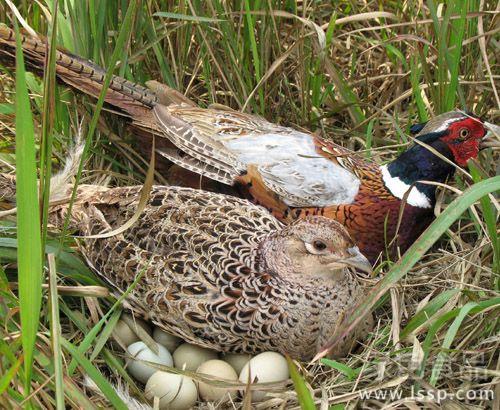
What to Do About Low Hatch Rates in Pheasants? Teach You How to Improve the Hatch Rate
How to Improve the Low Hatch Rate of Pheasants
-
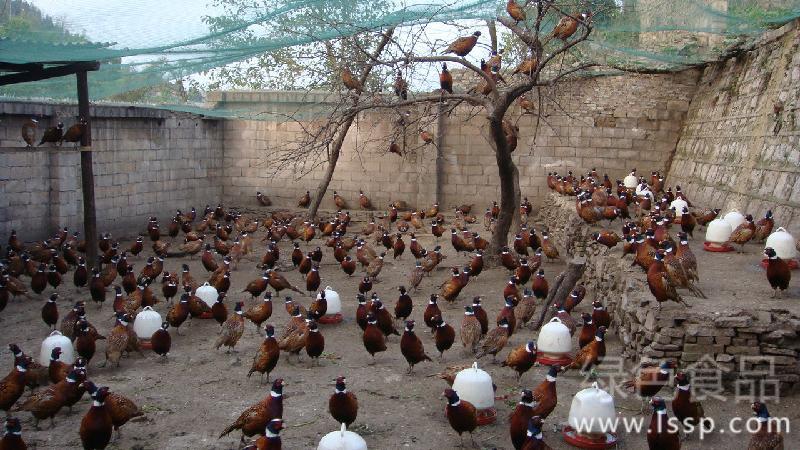
How to artificially fatten pheasants to advance their market time
How to artificially fatten pheasants to advance their market time
-

-

-

Detailed Explanation of Key Points of High-Yield Pheasant Farming Techniques
High-Yield Pheasant Farming Techniques
-
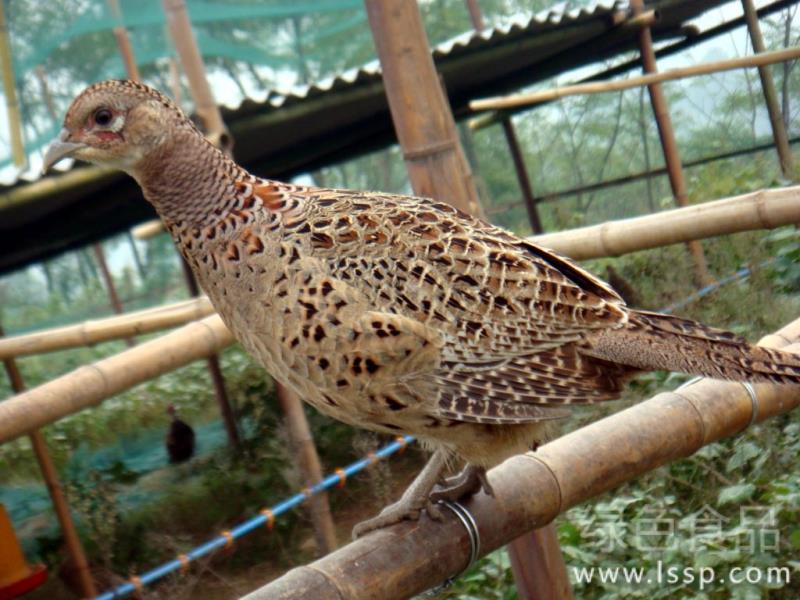
Pheasants passing thin greenish-white droppings and eating poorly: how to prevent and treat colibacillosis?
Pheasants passing thin greenish-white droppings and eating poorly: how to prevent and treat colibacillosis
-
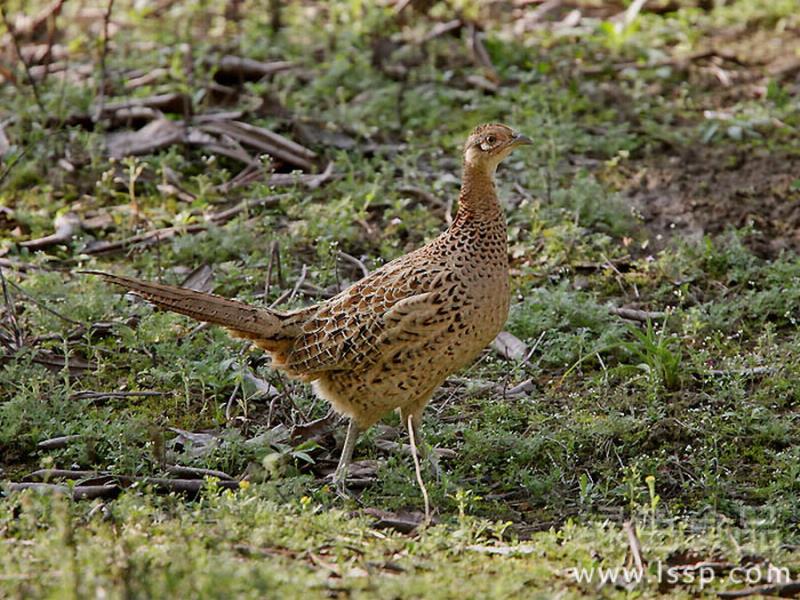
Pheasant chicks are delicate and have a high mortality rate. How can you get the feeding and management right?
Pheasant chicks are delicate, so mortality is high. How should you feed and manage pheasant chicks?
-

How to raise Golden Pheasants? A detailed explanation of the key points of breeding technology
Breeding technology for Golden Pheasants
-

Blue Eared Pheasant
The Blue Eared Pheasant is a rare and valuable bird species and a Class II nationally protected animal in China. It is mainly found in Qinghai, Gansu, Ningxia, Sichuan and other parts of China. The two pairs of primary feathers of the Blue Eared Pheasant are precious ornaments. Its meat and eggs are edible and highly nutritious. I. Appearance The Blue Eared Pheasant is a large pheasant, with a total length of about 90 cm. The body plumage is bluish-gray with a metallic sheen, loose and hair-like. The top of the head and the nape are densely covered with black downy feathers; two clusters of white ear feathers form short horn-like tufts; the bare skin on the face is bright red. The flight feathers are brownish with metallic purple-blue outer edges.
条件筛选