Pheasants passing thin greenish-white droppings and eating poorly: how to prevent and treat colibacillosis?
Pheasants infected with colibacillosis are listless, draw in their heads, stand motionless, are unwilling to move, eat less or stop eating, drink excessively, have fluid or food accumulating in the crop, ruffled and dull feathers, a purplish comb, and pass thin greenish-white droppings; the feathers around the vent are soiled with droppings, and some breathe with the mouth open and have nasal discharge. Death occurs 2-5 days after symptoms appear.
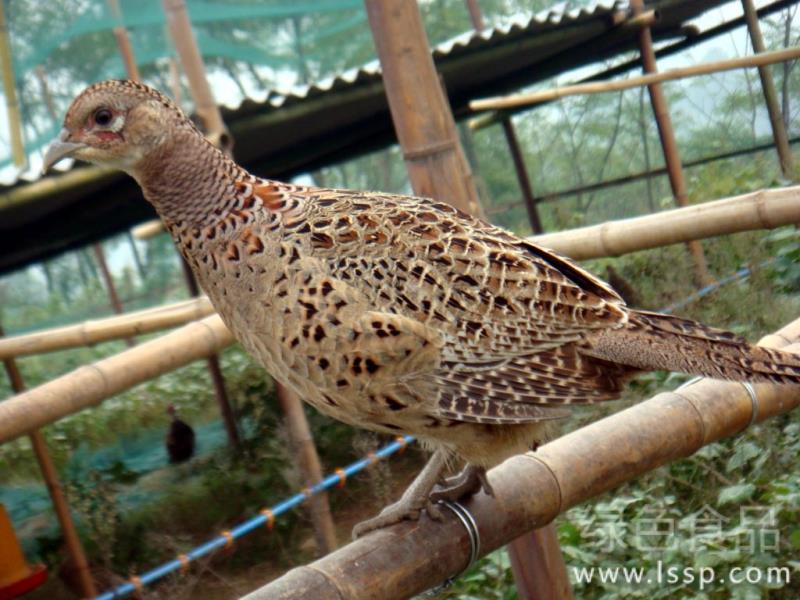
Pheasant
1. Treatment:
1. Mix 0.015% neomycin sulfate into the pheasant feed and use it continuously for 7 days.
2. Add 40% apramycin sulfate soluble powder to the drinking water (500 mg apramycin per liter of drinking water) and use it continuously for 5 days. For severely ill pheasants, inject 20,000 international units of amikacin intramuscularly per bird, once a day for 3 consecutive days.
3. Replace the litter, disinfect and keep clean. Thoroughly disinfect the pheasants with a 1500-fold dilution of Baidusha, twice a day, until the outbreak is brought under control.
After the above treatment, the condition was brought under control after 3 days, and after 5 days the pheasants returned to normal.
2. Prevention
1. Improve the rearing environment, disinfect and keep clean. The pheasant house should be well ventilated and dry, protected from excessive cold and heat, with reduced rearing density and frequent litter changes. Alternately use Baidusha and Jundudi disinfectants to disinfect the pheasant house, exercise yard and equipment, ensure clean drinking water, and reduce stress in the pheasants.
2. Adjust the diet structure and pay attention to feed quality. Pheasant nutrition should be comprehensive, supplementing vitamin A, E and C, trace elements and protein to strengthen the constitution and improve immunity.
3. Drug prevention. During rearing, if pheasants are found to be infected with suspected Escherichia coli, or are subjected to major stress, sensitive drugs such as gentamicin, cephalothin V, amikacin, neomycin sulfate, and various generations of quinolone drugs can be selected for staged prevention.