-
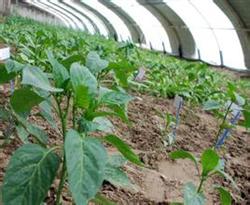
Detailed Explanation of Pepper Seedling Transplanting Methods, Master All Key Technical Points
1. Transplanting and irrigation. Transplanting can be done after the disastrous weather in early April, generally from April 15 to 25. When transplanting, pepper seedlings are required to be 16-17 cm tall, with 8 true leaves, and a seedling age of 50-60 days. Two plants per hole, irrigate promptly after planting to ensure the survival rate of planted seedlings. One week after transplanting, replenish water promptly according to soil moisture conditions. 2. Intertillage...
-
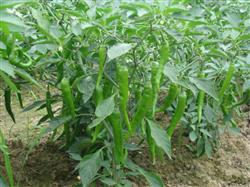
What methods are there to extend the market period of autumn delayed chili peppers
The area of autumn delayed chili peppers is large. How to make full use of existing natural and facility conditions according to market conditions to obtain higher economic benefits is a issue of great concern to farmers. In production, it is suggested that farmers can adopt the following measures to achieve the goal: 1. Set up a second film inside the greenhouse. In this way, under normal weather, it can be maintained until...
-
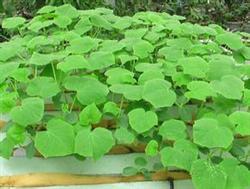
Planting method for interplanting peppers with spring cucumbers in a greenhouse
What standards should age-appropriate strong seedlings of spring cucumbers in a greenhouse meet? When is the best time to plant them? In greenhouse spring cucumber production, to improve economic returns, harvesting as early as possible is required, and planting must wait until the ground temperature has steadily passed 10°C, so only by planting larger seedlings can the goal of early maturity be achieved. Planting smaller seedlings in the greenhouse can eas...
-
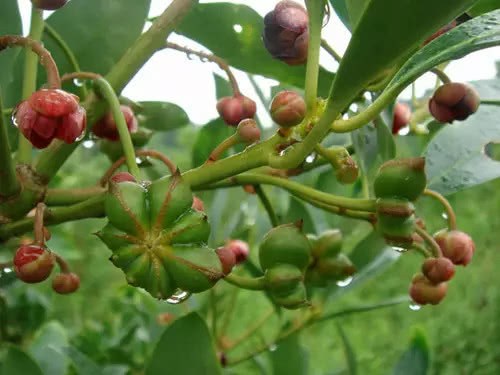
Star anise, Sichuan pepper, and aromatic fruit: this is what these commonly eaten spices look like growing on the tree
Introduction Spices are indispensable flavor enhancers in our cooking, but do you know how they grow? Come take a look with me, it will definitely surprise you! Star anise Star anise is a famous seasoning spice with a sweet fragrance. The star anise fruit...
-
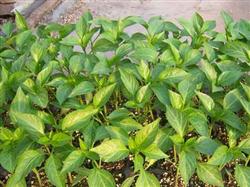
Detailed Explanation of Key Techniques for Spring Sowing and Seedling Raising of Peppers
(1) Preparation of the sunny seedbed: Choose a plot with fertile soil, sheltered from the wind and facing the sun, where eggplants and tomatoes have not been planted in the previous crop, and build a sunny seedbed. For each mu planted, raise seedlings with a seeding rate of 150 grams, and the sunny seedbed should be more than 10 square meters. Apply sufficient base fertilizer, irrigate heavily to build up soil moisture, and use a small amount of urea, phosphate fertilizer and active potassium fertilizer. Because the sunny seedbed...
-
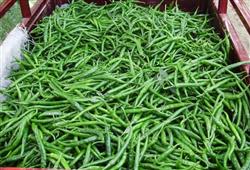
Detailed Explanation of High-Yield Cultivation Techniques for Spring Crop Peppers
Selecting good varieties The spring crop cultivation is essentially early-maturing cultivation, so attention must be paid to the early maturity of the variety while also considering high yield and disease resistance. Suitable varieties include Hongyingda, Andale, Shengfangzhou, and also Bulgarian pointed pepper, Sujiao No. 5, etc. Land preparation and fertilization: spread 10,000 kg of high-quality manure or compost per mu, and apply urea in furrows...
-
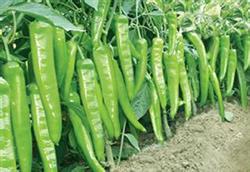
How to Keep Spring Crop Peppers Straight and Not Bent? Doing These Four Things Well Is Key
"Bent peppers have a big impact on price. So how to keep peppers from producing bent fruit has become an important part of increasing vegetable growers' returns. Through managing peppers over the past few years, I believe that as long as you grasp four points, peppers generally will not produce bent fruit." Master Gong told the reporter. So what are the four points Master Gong mentioned? The first...
-
Key Technical Points for Spring Greenhouse Cultivation and Management of Chili Peppers
Since last winter up to now, the market for mildly spicy chili peppers grown in greenhouses has been consistently strong. Therefore, this newspaper hereby introduces its cultivation techniques as follows: 1. Raising seedlings. The flower buds in the middle and lower parts of the chili pepper have already completed differentiation during the seedling stage, so cultivating sturdy seedlings is very important for the quality of flower bud differentiation and for earlier flowering and fruiting. During the seedling period, the suitable...
-
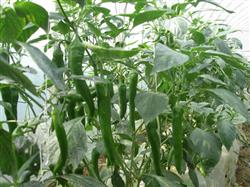
How to manage greenhouse peppers after spring planting?
Early spring greenhouse peppers are generally planted from mid-February to early March, then watered thoroughly with bottom water; after the water seeps in, earth up in stages, seal the holes, and seal the plastic mulch planting openings tightly. At this time, pay attention to the following three management tasks: timely temperature control and ventilation. After planting, the temperature outside the greenhouse is still low, so attention should be paid to heat preservation, keeping the daytime temperature at 22-30°C...
-
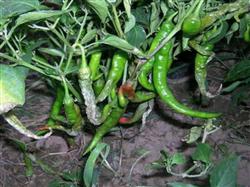
Key Field Management Techniques for Spring-Planted Peppers
In open fields, this disease is mainly of the leaf rot type, while in protected cultivation it is mainly of the root rot type. In protected cultivation, pepper Phytophthora blight mostly invades from the root crown, and the diseased part is dark brown. Sunken or shrunken, the lesion can encircle the stem and cause root death, and the plant wilts. In greenhouses, the pathogen is mainly spread by irrigation water, and disease centers mostly form in low-lying, waterlogged, and soil...
条件筛选