-

How to grow Murraya paniculata (orange jasmine)? A full breakdown of cultivation methods and precautions
The first is soil quality; you need to choose a sandy soil that is nutrient-rich and loose. The second is water; the general principle is "dry-wet cycle" (water when dry, let it dry out between waterings). The third is light; you must ensure five to six hours of light a day. The fourth is temperature; the most suitable temperature is 20-
-
Where can I buy Andrographis paniculata seeds? What are the seedling cultivation methods?
Andrographis paniculata is also called Lanhe lian and Yijianxi. It is a common medicinal plant, suitable for open-field cultivation in the south and greenhouse cultivation in the north. Besides being used as medicine, Andrographis paniculata is also a lettuce, edible, and can also be used as a flower. In spring and summer
-

What are the benefits and effects of Andrographis paniculata (green chiretta)
Andrographis paniculata has many benefits and value. It has the effects of killing viruses, reducing inflammation and clearing heat, can remove toxins from the human body, and also has significant therapeutic effects on some conditions of nausea and vomiting. In addition, it also has a certain effect of boosting immunity and resisting snake venom.
-
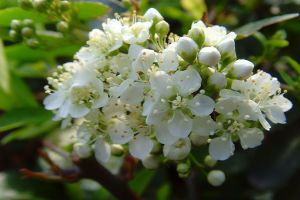
What to do when Murraya paniculata (orange jasmine) has root rot? Teach you the correct way to handle it
After a plant develops root rot, it triggers a series of problems, so it must be prevented and treated promptly. First, take the plant out of the pot, trim off the rotten roots and disinfect the root area. Then, replant it and cover the roots with a layer of fine river sand. After that, place it in a shady spot. Care in the later stage is also important, and water is the most important part. Strictly control watering at the roots, but you can spray some water on the surface of the leaves. After one week, also move it to a bright spot for about one hour every day. After thirty to forty days, it will be able to recover.
-
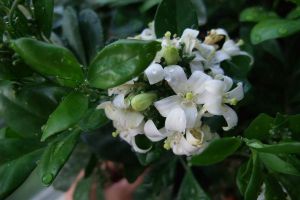
What causes orange jasmine (Murraya paniculata) to drop its leaves
When this happens, there are roughly four possible causes. The first is light: if the light is too weak, this phenomenon is easily triggered. The second is temperature, mainly in winter; if the temperature is too low, the plant easily suffers cold damage, and then drops its leaves. The third is caused by waterlogging. It is not tolerant of waterlogging, and in standing water its roots easily rot, which can also lead to leaf drop. However, it may also be a normal phenomenon, the plant's own metabolism.
-
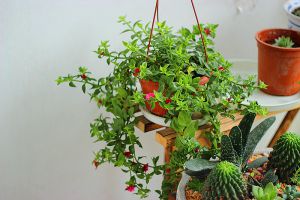
Are Madagascar periwinkle and Andrographis paniculata the same plant? An analysis of the differences between the two
They are not the same plant. The former has dense green leaves, with flowers blooming at the tips of the branches; the flowers are red, and the flowering period lasts from spring to autumn, so both flowers and leaves can be seen. The latter has ovate leaves, flowers can be seen both at the top and in the leaf axils, and its calyx has some fine hairs, while the corolla is white and also hairy on the outside.
-
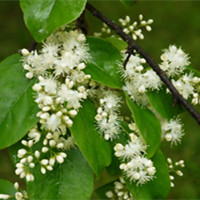
Is Symplocos paniculata easy to grow? Analysis of growing difficulty and care key points
Symplocos paniculata is a woody plant; in fact, there is also a succulent plant called white sandalwood. The characteristic of Symplocos paniculata is white flowers and blue berries, and when cultivated it is very ornamental.
-
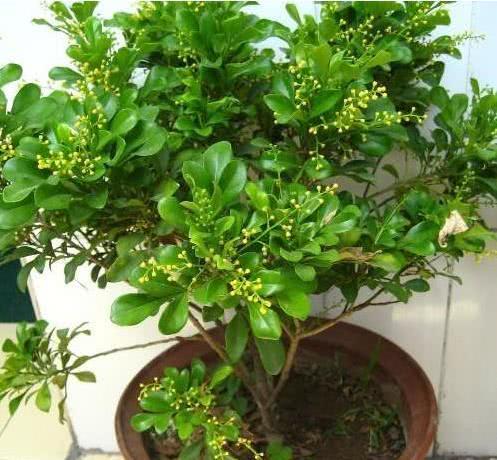
Quick identification methods for Aglaia odorata, Murraya paniculata and boxwood
When it comes to the three plants Aglaia odorata, Murraya paniculata and boxwood, people with some knowledge of plants may not find it hard to tell them apart, but for most people, especially those who know nothing about plants, they may be hopelessly confused. In fact, Aglaia odorata belongs to the genus Aglaia in the Meliaceae family...
-
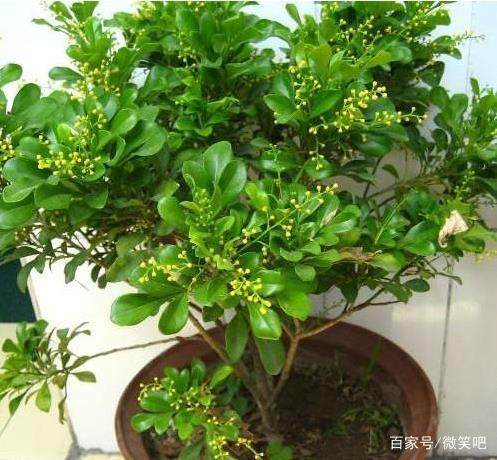
How to quickly identify Aglaia odorata, Murraya paniculata, and boxwood? Bonsai knowledge sharing
Distinguishing the three plants Aglaia odorata, Murraya paniculata, and boxwood may not be difficult, but for most people it may not be very clear, especially for those who are plant-blind. In fact, Aglaia odorata is a genus of the Meliaceae family. The species belongs to the genus Aglaia. Today I will teach you one or two...
-
What kind of flower pot is best for Murraya paniculata? Let me teach you how to choose the right pot.
When choosing a pot, the first thing to look at is the material. Generally, unglazed clay pots and ceramic pots are used; the advantage of these pots is that they are breathable and cheap. Next are purple clay pots and plastic pots. Metal ones are best avoided. The size of the pot should be chosen according to the plant's age and the growth state of its roots.
条件筛选