-

Is the lily a bulb plant? Understanding the basic characteristics of lilies
The lily originates from China and is widely distributed across the temperate regions of the Northern Hemisphere, including eastern Asia, North America and Europe. There are many varieties of lilies, with at least 120 species discovered so far, and 55 of them are native to China alone. There are also numerous recently developed hybrid varieties, such as the oriental lily, the fire lily and the Asiatic lily
-

Where the succulent dream begins, never forget the original intention
Follow Follow the Encyclopedia · Meet the Beautiful (WeChat ID: duoroubaike) The main text begins: Thanks to the author [The Scarecrow Smoking a Cigarette] for the original submission and sharing. Submission date: April 16, 2018. Edited and compiled by: Encyclopedia Jun. Location: Zhenze, Suzhou...
-
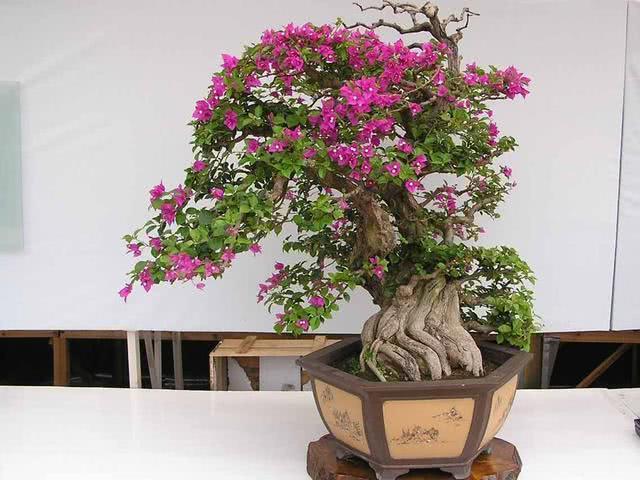
The Historical Origins of Bonsai, Its Artistic Conception, and Representative Works of Various Schools
Bonsai has always been one of the antiques favored by literati and righteous scholars. It is not only beautifully shaped but also can be preserved for a long time, and keeping it at home is very worry-free. Bonsai has always been loved by many friends, because it is the perfect combination of cultivation techniques and shaping art...
-
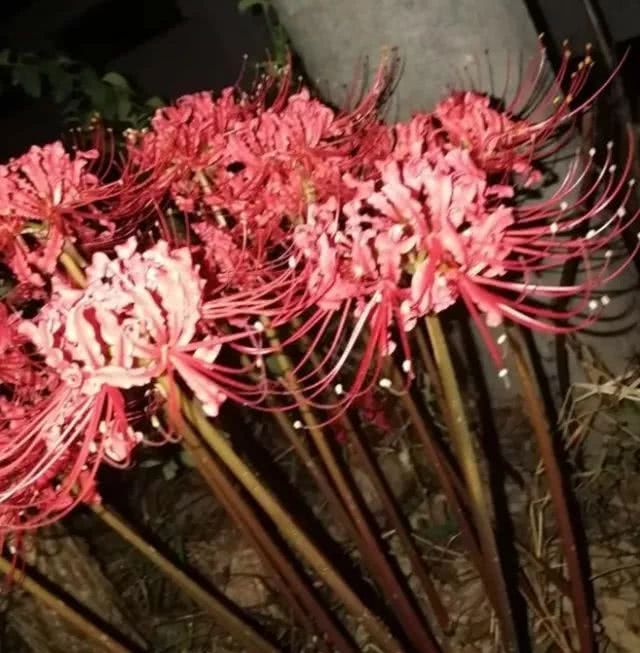
Where did the red spider lily come from? Let us take you through its origins
Manjusaka, the only scenery on the road to the Yellow Springs. The equinox flower blooms for a thousand years and falls for a thousand years; flower and leaf never meet. Love is not governed by cause and effect; fate decrees life and death. The equinox flower, at the far shore, mirrored in ten thousand layers, on the road between the living and the dead. When the flower blooms the leaf falls, never both alive together; mutual longing and mutual yearning are never betrayed.
-
Thailand's King of Fruits Was Originally a Strange Fruit from the South; Some People Dislike Its Smell So Much They Wouldn't Take It Even as a Gift
Friendly reminder: Hemu Report aims to share and popularize information about various plants and their uses, for reference only. If medicinal use is needed, it is recommended to consult a professional physician to avoid problems! Fruit is a common food in people's daily lives, and many people love eating fruit...
-

Why are bonsai and garden art born of the same origin and mutually reinforcing?
The aesthetic characteristic of Chinese bonsai art is that the great is contained within the small, that is, famous mountains and great rivers or ancient trees and rare flowers are all gathered into a single pot, using artistic expression techniques to convey nature through the mind. It emphasizes using the solid to set off the void, the combination of void and solid, and stresses layers and depth of scenery, in order to achieve "...
-

The Origin and Prevention Methods of the Orchid Cancer Virus, Bairas
Orchid Cancer - The Origin, Prevention and Treatment of the Bairas Virus
-
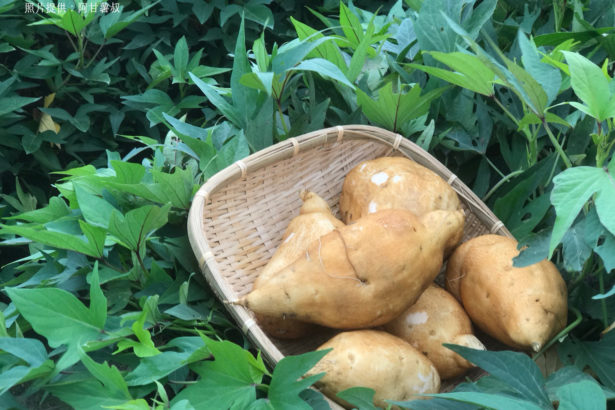
Unraveling the Sweet Potato's Origins: Why It Became Taiwan's Spirit Crop
Traveler's Food Journal / A Deep Dive into the Origins of Taiwan's Spirit Crop, the "Sweet Potato"
-

The Historical Origins of Fuding White Tea and Taimu Mountain
Introduction Chinese name: Fuding White Tea Foreign name: Fuding white tea Alternative name: white tea Main raw materials: tea leaves, Fuding Dabaicha, Fuding Dahao Tea Contains preservatives: no Main nutritional components: flavonoids, amino acids Main edible effects: clearing heat and reducing internal heat...
-
What exactly is the origin of the tulip's name?
The tulip is a perennial bulbous herbaceous plant. Native to the Tibet-Xinjiang region, it has bright flower colors and is the national flower of Turkey, Kazakhstan, the Netherlands and other countries. In a line from Li Bai's poetry, "Lanling fine wine in tulip cups, amber light gleaming in jade bowls," it is now hailed as the queen of the world's flowers, becoming a symbol of fashion and internationalization.
条件筛选