What exactly is the origin of the tulip's name?
Other names for the tulip
Foreign lotus, grass musk, fragrant tulip, Dutch flower
The habits of the tulip
The tulip originated in high mountain regions and prefers environments with wet, cold winters and dry, hot summers.
It goes dormant in summer and grows roots and sprouts new buds in winter. But the buds do not emerge from the soil; they only grow into stems and leaves after winter has passed.
The flowering period is March to April each year, and the suitable temperature is 15-20°C.
The tulip likes light and a sheltered environment. It is highly cold-tolerant, able to withstand low temperatures of -14°C, and can overwinter when covered by snow in winter. But it fears heat.
It requires loose, fertile, acidic sandy soil.
The meaning of the tulip
Different flower colors carry different meanings for tulips.
Tulip - universal love, thoughtfulness, elegance, wealth, capability, intelligence, kindness
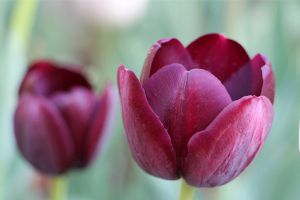
Tulip (purple) - endless love, most beloved
Tulip (white) - pure and noble romance
Tulip (pink) - eternal love
Tulip (red) - a confession of love, passionate, joyful affection
Tulip (yellow) - cheerfulness
Tulip (black) - noble, mysterious, unique; the crown of leadership power and honor