-
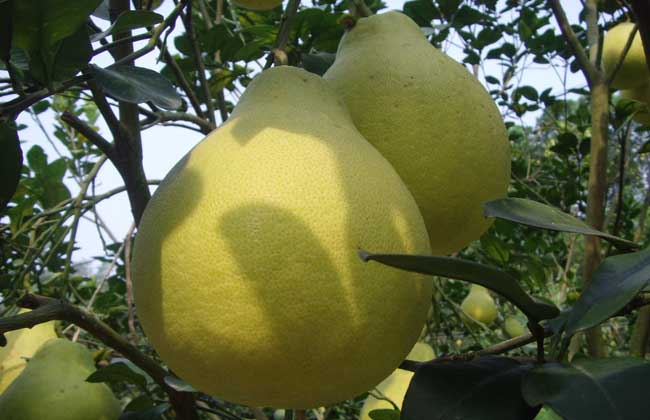
Where Is Shatian Pomelo a Specialty Of? A Complete Guide to Its Place of Origin
Where is Shatian pomelo a specialty of?
-
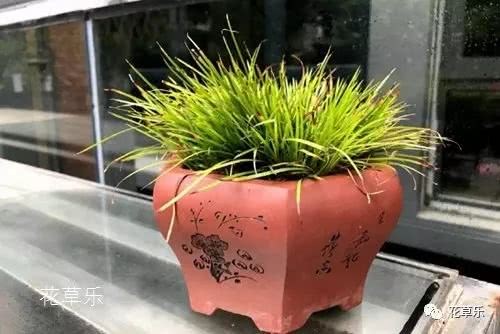
What flowers are best to give at the Dragon Boat Festival? A detailed explanation of the festival's origins
The 2018 Dragon Boat Festival is coming tomorrow. The Dragon Boat Festival is a festival in which our people commemorate the ancient patriotic poet Qu Yuan. According to the "Record of the Seasons of Jing and Chu," because of climbing high in midsummer, with the ascending yang above, the fifth month is midsummer, and its first wu day is precisely the day for climbing high and following the yang...
-
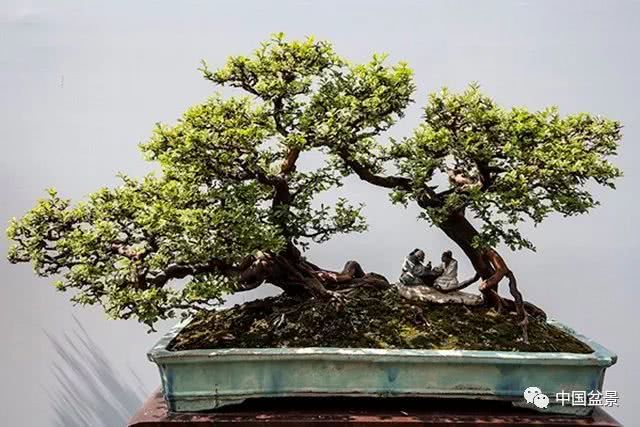
An In-Depth Guide to the Origins and Appreciation Points of Lingnan Penjing
[Penjing Enthusiast's Reflections]Text | Xiamen, Fujian @Zhou Yingzhi Every morning, remind yourself that life is short and beautiful, with no time for brooding, no time for pettiness. Only by letting go of those meaningless burdens can we stride forward freely. In the heart...
-

Food and agricultural education connects the place of origin to the dining table; the Soil and Water Conservation Bureau promotes the Good Food Calendar and the Low-Carbon Mileage board games
Food and agricultural education breaks out of its echo chamber; the Soil and Water Conservation Bureau promotes the two board games Good Food Calendar and Low-Carbon Mileage, connecting the place of origin to the dining table
-

What kind of herbaceous plant is scarlet sage? A look at its characteristics
The place of origin of scarlet sage is Brazil in South America, and it is now also widely planted in courtyards across most regions of China, making it an ornamental flower that is very easy to use for garden decoration and home growing.
-
What kind of herbaceous plant is the stock (Matthiola incana)?
The stock originates from the Mediterranean coast and is widely cultivated in the southern regions of our country. Its flowers are purplish red, and there are also pale red, pale yellow or white ones, with fragrance. The fruit is slender and it can be used for ornamental purposes. Stock lasts well in water and is also an important cut flower.
-
What is Echeveria runyonii? An introduction to the Crassulaceae succulent
Echeveria runyonii is a perennial succulent in the genus Echeveria of the Crassulaceae family, a variety of Echeveria runyonii Rose, with an unusual shape, and even the shape of its flowers is twisted to a certain degree. Its original species comes from Tamaulipas in Mexico, and the first mutated variety appeared in the United States.
-
Rosularia japonica is a succulent plant in the Crassulaceae family
Its original name is Rosularia japonica, and as the name suggests, the Japanese word "komochi" means "having children," while "ren" (lotus) refers to the rosette form, simply and vividly expressing the plant's appearance. This variety is native to the Hokkaido region of Japan and the coast of Aomori, and is a plant unique to Japan, called by many "Rosularia japonica."
-
Fifty-bell jade is a succulent plant in the Aizoaceae family.
Fifty-bell jade, also known as orange-yellow stick-leaf flower, is a succulent plant of the genus Fenestraria in the Aizoaceae family. The name it is most commonly known by is fifty-bell jade. Its places of origin are South Africa and Namibia.
-
Is the Chinese rose a woody plant? A detailed look at the Chinese rose's plant classification
The Chinese rose comes in a rich variety of cultivars, with common ones including groundcover roses, climbing roses, edible roses and cut-flower roses; one of its places of origin is China, and it has become the city flower of Tianjin and Beijing.
条件筛选