What is Echeveria runyonii? An introduction to the Crassulaceae succulent
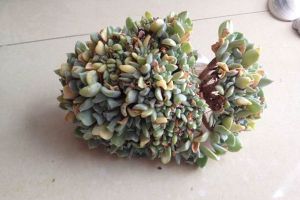
Echeveria runyonii Growing Habits
It is a cultivated variety of Echeveria runyonii Rose. It likes a warm, dry and sunny environment. It is not cold-tolerant, and tolerates drought and partial shade.
Favorite temperature: 18-25°C
Watering: water once every week during the growing season
Light: full sun, plenty of light
Propagation: cuttings, division
Pests and diseases: rust, root-knot nematodes
Suggested combinations: Echeveria chihuahuaensis, Echeveria 'Frosty Morn'
Care Tips for Echeveria runyonii
Potting soil: repot every spring. When repotting, cut off the shriveled dead leaves at the base of the plant and the overly long fibrous roots. Use a mixed soil of peat soil and coarse sand.
Watering: during the growing season the potting soil should not be too wet; water once a week. In winter, water only 1-2 times, and keep the potting soil dry. When the air is dry, you can spray water around the plant to increase air humidity.
Fertilizing: fertilize once a month during the growing season, using diluted cake fertilizer water or a special fertilizer for potted flowers. Provide appropriate shade in summer, and in winter place it in a warm, sunny spot to overwinter.
Propagation Methods for Echeveria runyonii
Cuttings: cut off mature leaves for cuttings, insert them into a sand bed, and they will take root after about 3 weeks; once young plants have grown, pot them up. Note that the cut should be flat, and wait for the cut to dry before inserting.
Division: if daughter plants sprout from the base of the mother plant, they can be divided and propagated in spring.
Related Articles
- How to prevent and control pests and diseases on desert rose? Ventilation and dryness are the key to prevention
- The three main causes of cotton diseases: climate, seeds and cultivation
- How to Grow Bird's Nest Fern in Water? Master Temperature, Light, and Water Change Techniques
- A Complete Guide to Identifying and Controlling Common Potted Flower Pests
- Do Carnivorous Plants Need Watering? Pot Watering and Wet/Dry Assessment Methods
- How to manage cotton during the flowering and boll-setting stage? Apply flowering and boll fertilizer heavily, use chemical regulation and pruning to prevent premature senescence
- How to Grow Chinese Hibiscus? Master These 5 Key Points for Blooms All Year Round
- How to Grow Tulips in Water? The Complete Process from Bulb Preparation to Blooming