-

Beginner's Guide to Sowing Herbaceous Plants: Improving Germination Rates and Solving Common Sowing and Growing Problems
Herbaceous plants, as the name suggests, are plants with soft stems that do not become woody. They come in a wide variety, from delicate flowers to spice plants and medicinal herbs, there is everything you could want. For gardening beginners, growing herbaceous plants is an excellent entry-level choice. Below are some tips for improving the germination rate of herbaceous plants
-
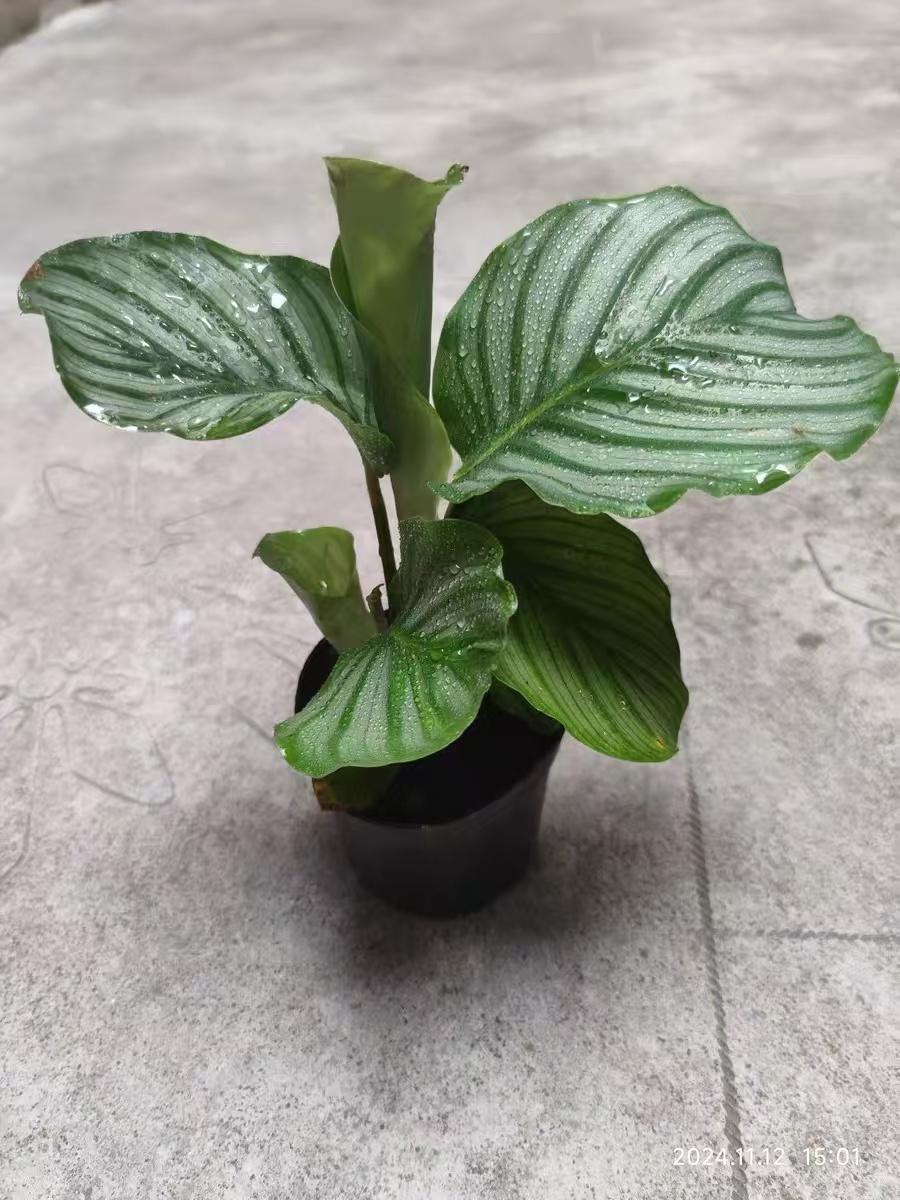
How to Improve the Germination Rate When Novice Gardeners Sow Herbaceous Plants?
As the name implies, herbaceous plants are those with soft stems that do not lignify. They come in a wide variety, ranging from delicate and beautiful flowers
-

6 herbaceous plants with purple leaves that look better than flowers
Among the myriad colors of nature, purple always stands out with its mysterious and noble temperament. And in the world of herbaceous plants, there are several plants with purple leaves whose foliage is even more beautiful than delicate flowers, making them treasures in the eyes of gardening enthusiasts. Today, let us step into the world of these six purple
-
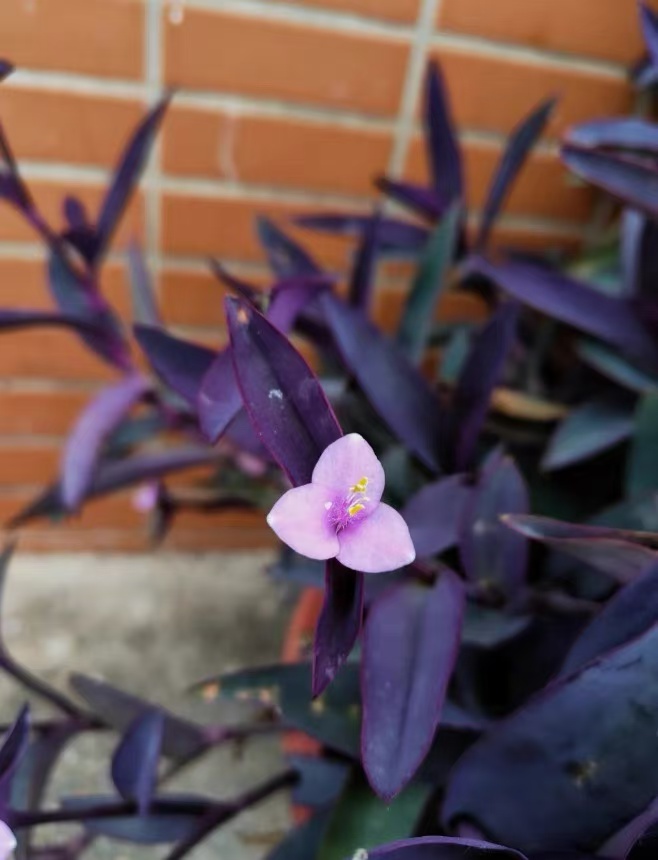
6 Recommended Herbaceous Plants with Purple Leaves
Among the myriad colors in nature, purple always stands out with its mysterious and noble temperament. In the world of herbaceous plants, there are several
-

Which perennial shade-tolerant herbaceous plants are recommended for growing in Northeast China?
Under the scorching sun, most plants may become withered and listless, but there are always some brave lives that fear no intense sun exposure and keep blooming continuously. Coreopsis, with its small and delicate flowers, layer upon layer of petals, giving off a faint fresh fragrance. Coreopsis is not picky about soil, whether on poor land or
-

What are some cold-hardy and heat-tolerant green plants? An introduction to four perennial herbaceous flowering plants
In the world of flowers, there are some unique plants: cold-hardy and heat-tolerant perennial herbaceous flowering plants, such as purple coneflower (Echinacea purpurea), Michaelmas daisy (Aster novi-belgii), obedient plant (Physostegia virginiana), and showy stonecrop (Hylotelephium spectabile), are outstanding among them. Purple coneflower stands out for its distinctive appearance. Its flowers closely resemble pinecones, with vivid colors including pink, purplish red, and white
-

How to Care for Perennial Herbaceous Air Plants? Detailed Guide to Misting Frequency, Hazards and Lifespan
Air plants can be considered a strange plant; they are the only plants on Earth that grow entirely in the air, thriving without soil and producing bright flowers. They come in many varieties and forms, offering both foliage and flowers to enjoy, with
-
What Is the Difference Between Cool-Season Grass and Warm-Season Grass? Explained in One Article
Grass generally refers to herbaceous plants, and the corresponding concept is woody plants. People usually call herbaceous plants "grass," but grass is divided into cool-season grass and warm-season grass. So, where do the differences between cool-season grass and warm-season grass lie? Difference one: different growing temperatures. Cool-season grass is suitable
-
What is the difference between woody plants and herbaceous plants?
Everyone knows that woody plants and herbaceous plants are different types, but what exactly is the difference between wood and grass? Let's take a look! 1. The difference between wood and grass. 1. Different plant sizes: woody plants are generally taller, and among them, tree-type plants can reach tens of
-
Where is the difference between grass and trees? A detailed explanation of the differences between herbaceous and woody plants
The plants in nature are diverse, composing the rich and colorful world in our eyes. Among them, the species of trees and grasses are undoubtedly the most numerous among plants. Whether in desolate deserts or the boundless ocean, there will be more or less the existence of trees and grasses
条件筛选