-

Etiological Analysis and Diagnostic Identification Methods for Leg Disorders in Chickens
During the rearing process, chickens frequently develop leg disorders such as soft legs, lameness, paralysis, squatting reluctance to move, leg and claw deformities, and paralysis. The causes of leg disorders in chickens are extremely complex. Most leg diseases are a symptom of some disease, or a type within some disease, and very few are independent diseases, which some people call weak leg syndrome. The occurrence of leg diseases in a flock directly affects flock uniformity, increasing the culling rate and sporadic mortality rate of the flock. This article provides the following overview of the causes and characteristic identification of leg disorders in chickens. Chicken legs
-
What are the prevention and control measures for reproductive disorders in sows?
Reproductive disorders in sows have become an important factor threatening the development of the pig industry. Their main manifestations include failure to come into estrus, refusal to mate, abortion, premature birth, stillbirth, mummification, weak piglets, deformities, and small litter size, causing huge economic losses to pig production. In order to control reproductive disorders in sows, the author raises the following issues for reference by pig producers. Causes of sow anestrus: There are many reasons why sows do not come into estrus, mainly related to the pig's breed, age, season, feeding and management methods, and disease factors. Prevention and control measures: strengthen
-
Calcium and phosphorus metabolism disorders in geese caused by vitamin D deficiency
Vitamin D (VD) deficiency, calcium or phosphorus deficiency, and an imbalance in the calcium-to-phosphorus ratio can all cause osteoporosis, resulting in rickets in young geese or osteomalacia in adult geese. This disease is a nutritional bone disease that can occur in geese of different ages, and clinically it is often seen in young geese 1-3 weeks of age. The main signs are stunted growth and development, skeletal deformities, limb weakness, weak legs, and even paralysis. When adult geese are affected, egg production decreases or soft-shelled eggs are laid. In addition, this disease can also trigger other diseases, often causing certain economic losses to the goose-raising industry. 1. Dise
-
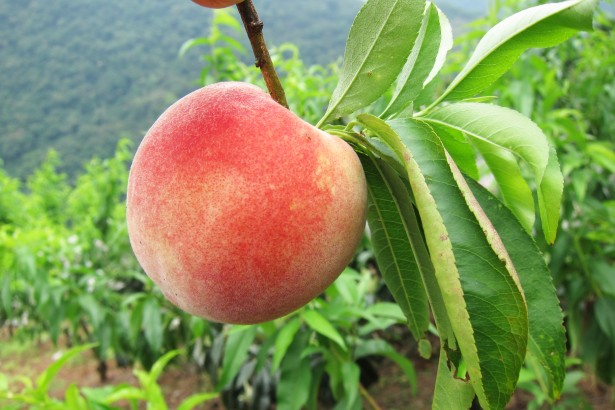
Taste of the Start of Summer: Pre-orders for Biya-Wai Tribe's May Peaches Are Now Open!
Taste of the Start of Summer: Pre-orders for Biya-Wai Tribe's May Peaches Are Now Open!
-
Solutions for High-Temperature Disorders in Greenhouse Cucumbers
Sowing and Seedling Raising 1. Variety Selection: Choose varieties that are not prone to bolting and are relatively cold-resistant. 2. Pre-germination Sowing ①Determining sowing time: For cultivation in large, medium and small tunnels, use protected seedling raising from early January to mid-February; for open-field cultivation, direct sow from late February to April. ②Pre-germination sowing: After soaking seeds in warm water, germinate at 15°C-20°C and sow; select...
-
What are the common physiological disorders of watermelons and melons?
I. Causes of gourd-shaped fruit: 1. The fruit is set too far out, water and fertilizer conditions are poor, nutrients cannot be supplied and the fruit cannot swell; 2. The plant's vegetative growth is too vigorous, nutrients all go to the vines, and the small fruits that set are all gourd-shaped; 3. Pollination quality is low, the amount of pollen is insufficient and uneven, the front end of the fruit has many seeds while the base has...
-
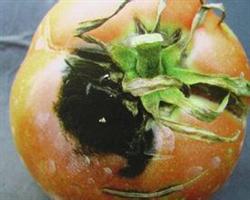
Control Methods for Physiological Disorders of Tomato
Physiological disorders often occur during tomato cultivation and greatly affect yield and quality. The most common ones include deformed fruit, hollow fruit, blossom-end rot, fruit cracking, rib vein browning, sunscald, and poor coloration. Deformed fruit. It mainly occurs during the period of flower bud differentiation and development. Under low temperature, excessive fertilizer (especially excess nitrogen nutrition...
-
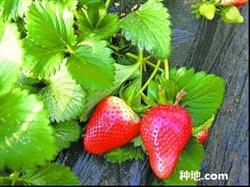
What causes nutrient deficiency disorders in greenhouse strawberries?
How should strawberries be managed in spring? Please guide on removing the mulch to harden the seedlings. 1. When the daily average temperature stabilizes at around 10°C, the winter cold protection coverings should begin to be removed. 2. Be careful when removing to prevent breaking the flower buds. If covered with agricultural film, it should first be removed during the day and covered at night, then gradually remove the film to avoid excessive temperature differences affecting the normal... of strawberries.
-

What are the prevention and control methods for sheep estrus disorders?
Prevention and control methods for sheep estrus disorders
-
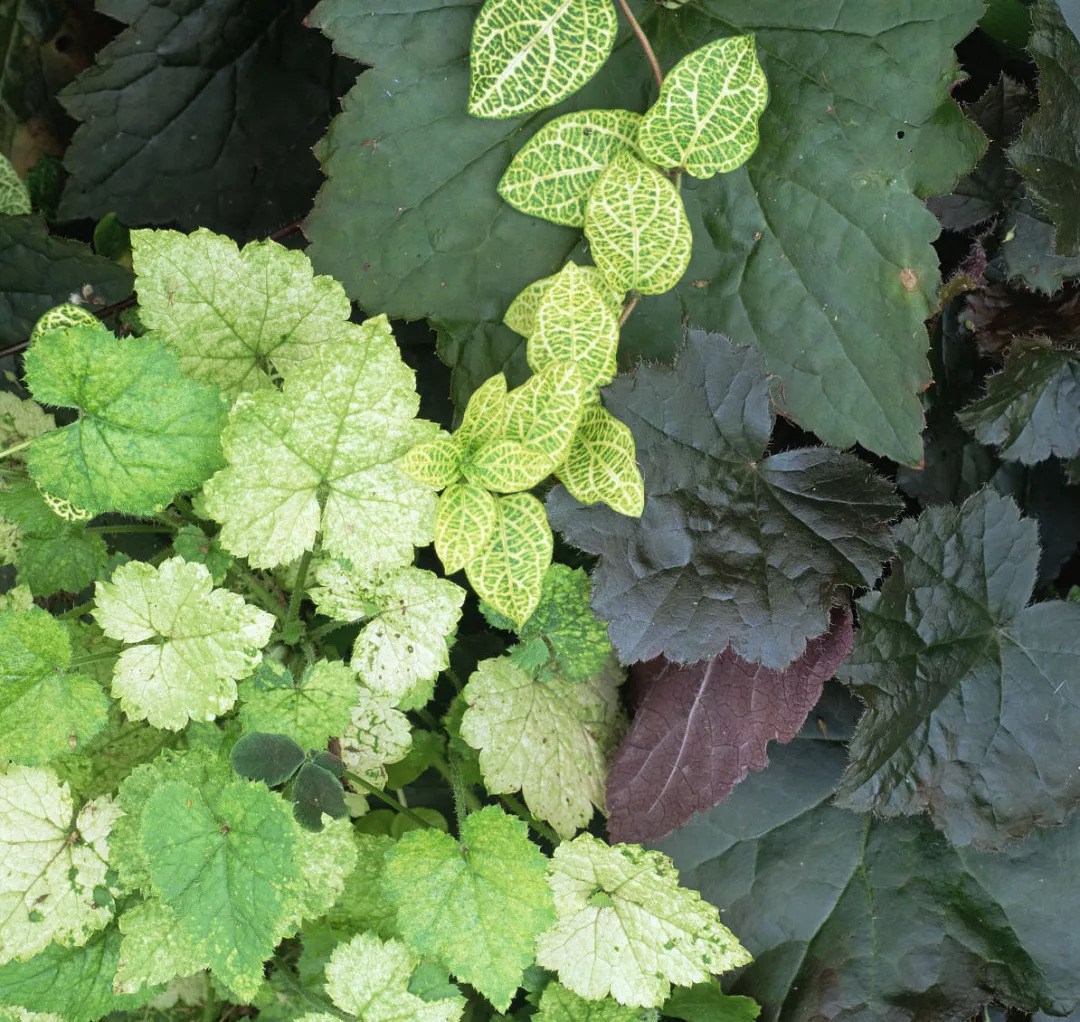
Physiological disorders in flowers make them ugly; let me teach you how to cure every kind of ugliness.
Appreciating the beauty of flowers is just like taste in food: radishes and cabbages, everyone loves their own! Different kinds of flowers have different shapes and textures of beauty! The Editor-in-Chief is broad-minded and loves all kinds of flowers, can't put any of them down, and wants to grow them all until they fill pots and gardens...
条件筛选