-

Identification and Prevention of Physiological Disorders in Atlantic Potato Tubers
The Atlantic potato is a high-quality raw material for processing snack foods such as potato chips and French fries. Its growth period is relatively short, and it has strict requirements for the cultivation environment: it needs cool conditions but is not tolerant of low temperatures. During cultivation, freeze protection and fertilizer and water management should be done well to avoid physiological disorders such as black heart, hollow heart, starch leakage, cracking, and deformities, and to improve tuber quality and marketable yield. I. Tuber black heart 1. Symptoms: Irregular patterns ranging from black to blue appear in the center of the tuber. When oxygen deficiency is severe, the entire tuber may turn black. Usu
-
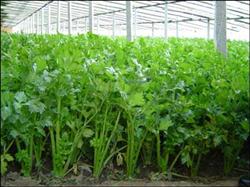
Solutions for High-Temperature Disorders in Greenhouse Cucumbers
Sowing and Seedling Raising 1. Variety Selection: Choose varieties that are not prone to bolting and are relatively cold-resistant. 2. Pre-germination Sowing ①Determining sowing time: For cultivation in large, medium and small tunnels, use protected seedling raising from early January to mid-February; for open-field cultivation, direct sow from late February to April. ②Pre-germination sowing: After soaking seeds in warm water, germinate at 15°C-20°C and sow; select...
-
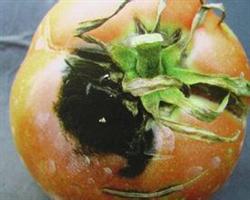
Control Methods for Physiological Disorders of Tomato
Physiological disorders often occur during tomato cultivation and greatly affect yield and quality. The most common ones include deformed fruit, hollow fruit, blossom-end rot, fruit cracking, rib vein browning, sunscald, and poor coloration. Deformed fruit. It mainly occurs during the period of flower bud differentiation and development. Under low temperature, excessive fertilizer (especially excess nitrogen nutrition...
条件筛选