-
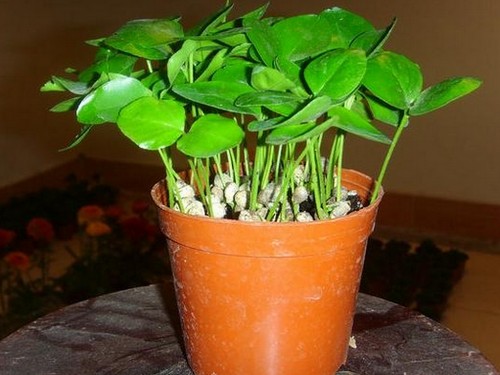
How to propagate orange jasmine (Murraya paniculata)? A detailed introduction to common propagation methods
Orange jasmine (Murraya paniculata) is an aromatic plant that can keep a rich, long-lasting fragrance indoors. Its branches and leaves are elegant, and it is an evergreen plant, so placing it indoors creates a very strong ornamental effect. People often use it for indoor decoration, making the whole room look fresh and pleasant, and this plant, orange jasmine, plays no small part in that.
-
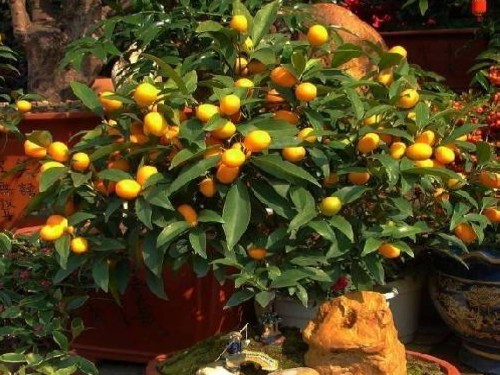
Methods and Tips for the Care and Management of Bonsai Orange Trees
Bonsai orange trees should be placed outdoors, with attention to improving ventilation and receiving ample direct sunlight. Keep the potting soil moist; do not let it dry out or cut off watering. Also, do not let the potting soil become waterlogged due to compaction or poor drainage. Potted orange trees should be deliberately cultivated to bear more autumn fruit for enjoyment during the Spring Festival.
-
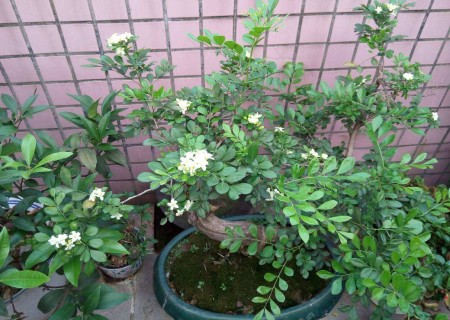
Will a potted Orange Jessamine (Murraya paniculata) bloom? Reasons it does not bloom and how to fix it
Orange Jessamine stays evergreen year-round, with a neat tree shape, intensely fragrant and long-lasting flowers, and beautiful pure-white color. It is suitable for both ground planting and container growing. Thanks to its fine leaves, exposed roots, thick trunk, tolerance to pruning and long lifespan, it is an ideal material for developing stump bonsai. So, will the potted Orange Jessamine you keep at home bloom?
-

How to grow Murraya paniculata (orange jasmine) in a pot? What should you pay attention to when cultivating it?
Murraya paniculata is an evergreen shrub, and sometimes it can also grow into a small tree form. It has a graceful plant shape, beautiful and verdant branches and leaves, and a rich floral fragrance. It is often used for greening and beautifying courtyards, green spaces, and the like; it is also often made into various styles of bonsai and placed on family rooftops, balconies, living rooms, and studies, adding a touch of nature and pleasing the eyes.
-
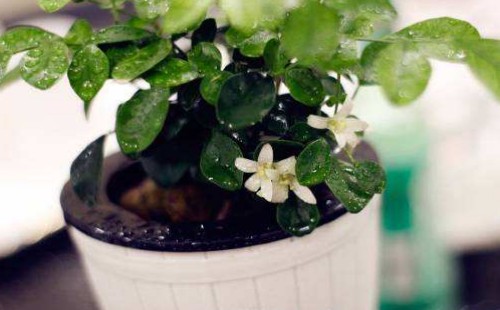
Reasons Why Orange Jessamine Does Not Bloom and Solutions
Orange jessamine (Murraya paniculata) is an evergreen tree species with fragrant flowers, and it is one of the best materials for making bonsai, especially when its collected wild stumps are made into stump bonsai of various forms and graceful postures, giving it even higher ornamental value.
-
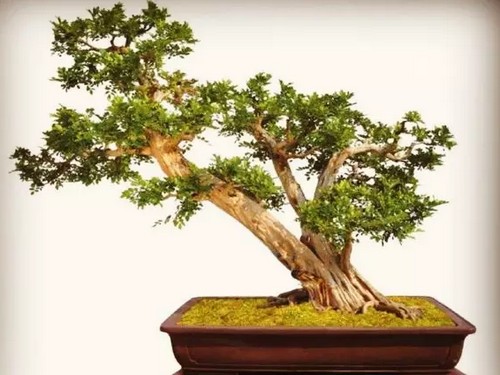
How to cultivate Orange Jessamine bonsai? Detailed technical key points
Orange Jessamine (Murraya paniculata) has a graceful tree shape, vigorous and powerful branches, stays evergreen all year round, and bears pure white flowers with a rich fragrance, making it an excellent bonsai material. Orange Jessamine bonsai has an elegant posture and can be enjoyed in all four seasons. In South China, Orange Jessamine can be planted in the ground or in pots, and is also a great material for making bonsai. In the Yangtze River basin and areas to its north
-
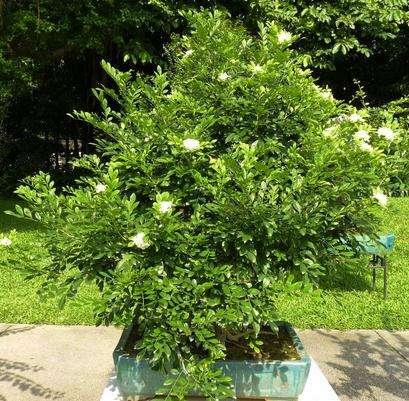
How to care for Orange Jessamine (Murraya paniculata) in summer? Detailed summer care methods
How to grow Orange Jessamine bonsai, and what should you pay attention to? I don't know if you have ever heard of Orange Jessamine before. Many people may never have heard of it, but you have heard of Qilixiang, Thousand Fragrances and Wanli Xiang. In fact, the editor wants to tell you a secret, which is that these are all other names
-
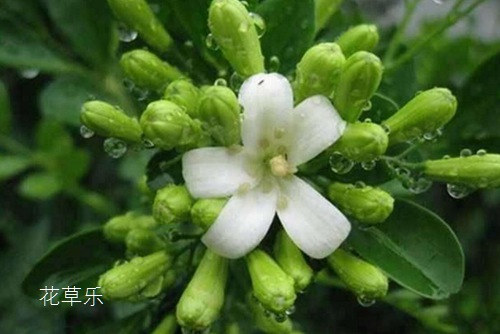
How to grow orange jasmine? A complete guide to cultivation methods and bonsai making
Orange jasmine, also known as: shi la jiao, jiu qiu xiang, jiu shu xiang, qi li xiang, qian li xiang, wan li xiang, guo shan xiang, huang jin gui, shan huang pi, qian zhi yan, yue ju. It has a graceful form, elegant foliage and branches, and a rich floral fragrance. The chemical components contained in its roots, stems and leaves are similar to those of qian li xiang
-
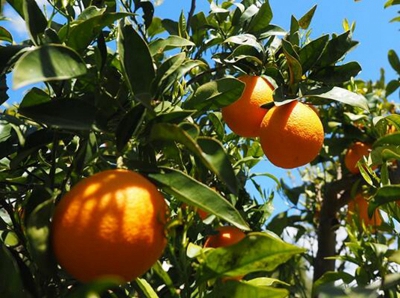
Why Are the Leaves of a Mandarin Orange Tree Turning Yellow? Causes and Solutions
During the Spring Festival, many households would not be without a mandarin orange tree, but problems are inevitable during the growing process. For example, yellowing leaves. The causes of yellowing leaves on a mandarin orange tree are many and varied. Such as insect pests, infectious diseases, nutritional imbalance disorders (physiological diseases), etc.
-
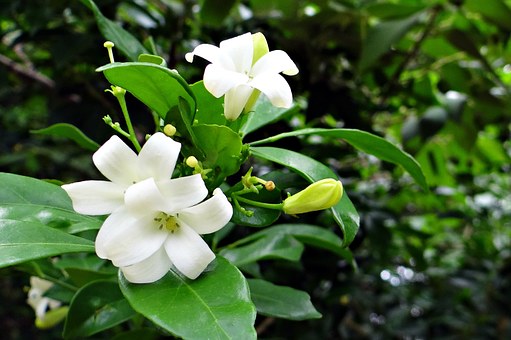
Is orange jasmine (Murraya paniculata) toxic? A detailed guide to flowering time and care methods for promoting blooms
Orange jasmine (Murraya paniculata), also known as Qianli xiang, Wanli xiang, Jiuqiu xiang and Jiushu xiang, is a common small tree of the Rutaceae family in southern China. It is highly favoured by people for its long flowering period, rich fragrance and evergreen foliage
条件筛选