-

What are the benefits and effects of Angelica sinensis (dong quai)? With commonly used formulas
Dong quai, also known as Qin gui, Yun gui, Xi gui, Quan dong gui, You dong gui, Bai dong gui, Gan gui, and Min gui. Its nature is sweet, pungent, bitter, and warm; it enters the Liver, Heart, Spleen, and Lung meridians, and has effects such as nourishing blood and regulating menstruation, invigorating blood and relieving pain, expelling toxins and promoting tissue regeneration, and relieving cough and calming wheezing. Clinically, dong quai is used to treat many diseases, such as: blood deficiency with sallow complexion, pale lips and nails, dizziness and blurred vision, irregular menstruation, scanty or absent menstruation, dysmenorrhea, excessive menstruation, metrorrhagia and blood in the stools as well as gastrointestinal bleeding, traumatic injuries, blood stasis with swelling and pain, headache, postoperative blood stasis pain, arthralgia with numbness, stroke with hemiplegia, sores and abscesses
-
Many Methods for Propagating Goji Berry: A Full Analysis of Commonly Used Propagation Techniques
1. Seed propagation: Spring sowing should be carried out from late March to mid-May, when temperatures rise noticeably. Soak the seeds in 30°C warm water for 24 hours, then rub them, pick out the flesh and skin, take out the sunken seeds, and dry them. Mix the seeds with wet sand at 1:3, then place them indoors at about 20°C to germinate, keeping them moist. When about 30% of the seeds have cracked and shown white, germination is complete. For the nursery site, loam or sandy loam near a water source can be chosen as the seedbed. It requires flat terrain, good drainage, and ample sunlight. Apply 5000 kg of decomposed barnyard manure per mu
-
What are the commonly used chemical control methods for stored-grain pests?
1. Pirimiphos-methyl: Pirimiphos-methyl is an internationally preferred grain protectant, with the chemical name methyl pyrimidinyl (thio) phosphate, and the usual dose for controlling stored-grain pests is generally 5 ppm. 2. Baolianglin: Baolianglin is a grain protectant developed by the Chengdu Grain Storage Research Institute of the State Administration of Grain, and it has a very good control effect on stored-grain pests, especially suitable for rural grain storage. The ratio of Baolianglin to raw grain is 1:2500. That is, each 100-gram bag of Baolianglin can be mixed with 250 kg of raw grain.
-
Several commonly used green and environmentally friendly fishery drugs in aquaculture
Quicklime, table salt, and the like are not dedicated fishery drugs, but they are highly effective for preventing and treating aquatic diseases, pose no threat to the environment, and leave no drug residue problems. Quicklime: Regularly splashing quicklime into aquaculture water bodies can not only reduce the occurrence of many diseases, but also provide the calcium element essential for cultured organisms, which is especially important for crustacean aquaculture. Method of use: Choose quicklime that has not weathered; for pond clearing and disinfection, use 150-200 kg per mu; for disease prevention and treatment, generally 5-9, use once about every 20 days
-
Introduction to Amprolium Hydrochloride (Amprol), a Commonly Used Antiparasitic Drug in Ducks
Source and properties: This product is a white or off-white powder. It is odorless, easily soluble in water, and relatively stable in nature, making it suitable for combining with other ingredients such as antibiotics, vitamins, and minerals, and for adding to poultry diets. Actions and uses: Amprolium is an anticoccidial drug launched in the 1960s. This product is highly effective, safe, and not prone to inducing drug resistance, and it is still widely used today. The structure of this product is similar to thiamine, so it can inhibit the thiamine metabolism of coccidia and thereby exert an anticoccidial effect. This product can not only inhibit the growth
-
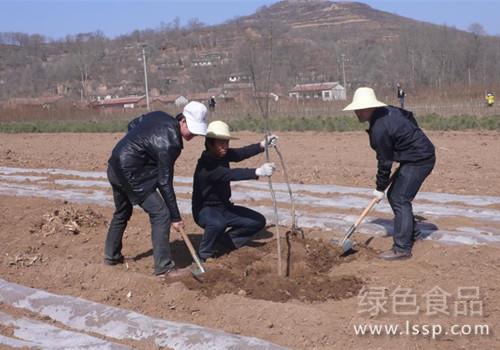
Eight key points for walnut cultivation; only by applying techniques according to the specific conditions can you achieve high yields
Only by applying techniques according to the specific conditions can you achieve high yields. Eight key points to note in walnut cultivation
-
Why does jasmine only grow leaves and not bloom?
The main reasons for jasmine producing few flowers are as follows: 1. Insufficient light. Jasmine is a sun-loving, light-demanding plant, and its growth and development require ample light. If light is insufficient, photosynthesis is inadequate, organic matter accumulates little, branches and leaves grow leggy, leaves are thin and large, few flowers form, the fragrance is faint, and it may even fail to bloom or drop buds
-
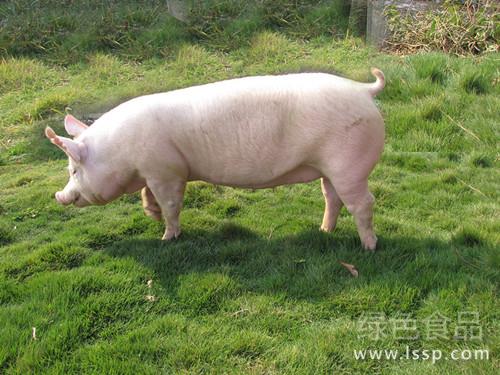
Nutritional Requirements and Feeding Methods for Pregnant Sows: Only with Sufficient Nutrition Will Piglets Be Healthy
Only with Sufficient Nutrition Will Piglets Be Healthy: Nutritional Requirements and Feeding for Pregnant Sows
-
What are the commonly used drugs for fish? A detailed introduction
At present, there are many kinds of drugs commonly used in fish farming on the market. Because fish drug production is not yet standardized, some products from various manufacturers do not indicate their active ingredients, and the trade names of some similar finished drugs are not consistent with their corresponding chemical names. This is not conducive to our understanding of the active ingredients of drugs and also creates certain difficulties for scientific and rational medication. In order to popularize fish disease prevention and treatment technology, we will successively introduce knowledge about drugs commonly used in fish farming. This is expected to improve our understanding and awareness of commonly used drugs so that drugs can be used scientifically and rationally in production.
-

Why does a potted kumquat only bloom but not bear fruit?
When a potted kumquat only blooms but does not bear fruit, or sets fruit that drops early, the cause, besides changes in conditions such as environment, water and light, lies mainly in insufficient fertilizer, especially insufficient phosphorus during the fruit-retention period after fruit set. For home potted kumquats, fertilizing can be done as follows: after Qingming, use nitrogen and phosphorus fertilizer combined with fermented, fully rotted concentrated organic fertilizer as a base fertilizer
条件筛选