You can't grow flowers without these 3 kinds of nutrient water; use them right and you'll get lush branches and leaves and a long blooming period
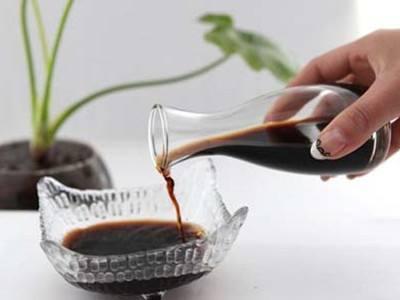
More and more people are growing flowers now, and to grow potted flowers well, watering and fertilizing are the most basic fundamentals. When it comes to watering and fertilizing flowers, some flower lovers may think there is nothing to learn, but that is not actually the case. Every kind of flower has a different growth habit, and every plant naturally has different watering and fertilizing methods too. To grow flowers well, whether it is watering or fertilizing, you need to have a clear understanding of each step and flexibly apply every flower-growing technique. In daily care, there are 3 kinds of nutrient water that are often used, and each of them benefits flower lovers, so you might as well learn about them; who knows, they might make your potted flowers thrive more and more!
Nutrient water one: vinegar solution
Many people say rice-washing water can be used to water flowers, but in fact vinegar from daily life can also be used to grow and water flowers. Why? Because the composition of vinegar shows that it promotes flower growth. Edible vinegar contains 1-5% acetic acid, as well as sugar, glucose, lactic acid and other substances. If you dilute it with water and spray it on the leaves of potted flowers, it will promote robust plant growth and reduce disease. In addition, mix 10 grams of vinegar with 2 kilograms of clean water and spray it on yellow leaves once every two weeks; keep spraying for two to three months and the leaves will "turn green again."
Nutrient water two: potassium permanganate solution
This substance is a strong oxidizer, and as soon as oxidizers are mentioned, everyone probably understands. It has a sterilizing and disinfecting effect. When is this solution generally used? It is most commonly used when plants and flowers are being propagated by cuttings, repotted, or rooted. For example, if the roots of a flower have rotted, then it must be soaked in potassium permanganate solution for a few minutes, which can increase the plant's survival rate. For some common flowers such as clivia, Chinese rose, gardenia, and kalanchoe, you can soak them in it every year when repotting, and rooting will speed up a great deal.
Nutrient water three: ferrous sulfate solution
The flower most commonly associated with this solution is "lucky bamboo." Surely many flower lovers have lucky bamboo at home. Isn't it true that when the leaves of lucky bamboo turn yellow, you hear people say that putting one or two rusty iron nails in the vase works? The principle here is that rusty iron nails can improve the iron-deficiency yellowing of lucky bamboo leaves. In fact, when lucky bamboo lacks iron, the best and most efficient way is not to put in rusty iron nails, which is too inefficient. Instead, add ferrous sulfate solution drop by drop into the vase as early as possible. Only then will the lucky bamboo recover as quickly as possible.
Besides the three solutions mentioned above, the water used for washing vegetables and for scrubbing pots and dishes in daily life also contains certain nutritional value, and all of it can be used to water flowers. However, before using it to water flowers, it is best to expose it to sunlight for a while: first, to remove some impurities, and second, to sterilize it with high temperature. Growing flowers, from watering to fertilizing, every step is closely tied to daily life, so if you are a bit more attentive when growing flowers in the future, they will thrive more and more.
Thank you for reading, remember to like and share~