A Detailed Guide to Using Nutrient Solution for Hydroponic Plants
Hydroponic plants receive their nutrients through a nutrient solution; let us introduce it to you below.
Is Nutrient Solution for Hydroponic Plants Toxic?
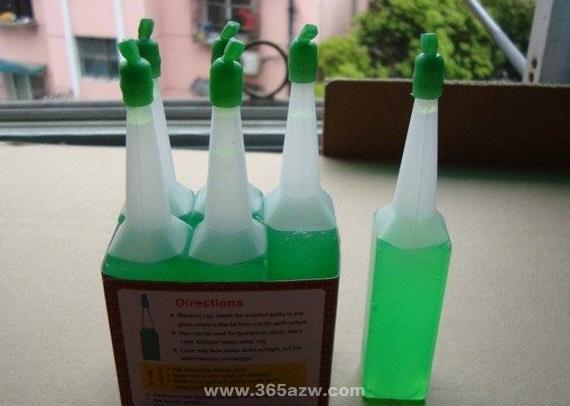
Is nutrient solution for hydroponic plants toxic? Friends who are concerned about this question must be worried about whether keeping fish together with plants in water will harm the fish. We can tell you that the nutrient solutions for hydroponic plants sold on the market are actually non-toxic. The nutrient solutions used for hydroponic flowers all use inorganic minerals that are harmless to fish, so fish can survive in the nutrient solution for a long time without any problem. Fish and the roots in the water actually promote each other: due to metabolic activity, adsorption and algae activity, the roots produce and become covered with a layer of organic foreign matter on their surface, which provides food for the fish, so everyone can keep fish with peace of mind.
Nutrient Solution Formula for Hydroponic Plants
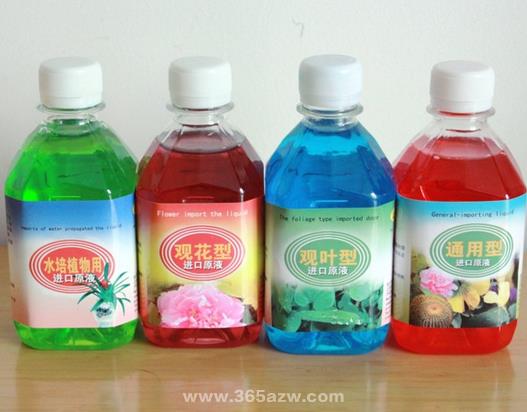
The various elements used when preparing nutrient solution for hydroponic plants and their amounts depend on the plant variety being grown, its growth and development stage, its flowering time and the final growing region.
Preparation method of nutrient solution for hydroponic plants:
Add 0.22 g of ammonium phosphate, 1.05 g of potassium nitrate, 0.16 g each of ammonium sulfate and ammonium nitrate, and 0.01 g of ferrous sulfate to 1 liter of water, and mix well to obtain the nutrient solution. Metal containers must not be used for preparing and storing the nutrient solution; it is best to use ceramic, plastic, glass or ceramic containers.
Usage: For potted flowers during the growing period, apply the nutrient solution once a week, and the amount can be adjusted flexibly according to the size of the plant.
How to Use Nutrient Solution for Hydroponic Plants
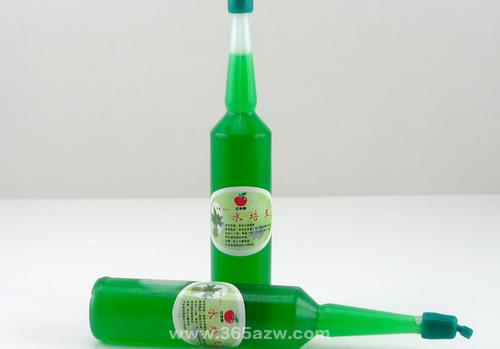
1. Shake to increase oxygen. Hold the flower plant steady with one hand, and with the other hand gently shake the container more than 10 times. After shaking, the dissolved oxygen content of the nutrient solution can increase by about 30%.
2. Increase the frequency of water changes. Changing the water means replacing the water in the bottle to which nutrient solution has been added. Under normal circumstances, change the water once every 5 to 10 days in spring and autumn; once about every 5 days in summer; and once every 10 to 15 days in winter. Home hydroponic flowers should use soft water as the water source, and generally tap water that meets national standards can be used. After letting the tap water sit for two hours to half a day, wait until its temperature is close to room temperature and the chlorine and other substances in the water have fully evaporated, then add the purchased nutrient solution in proportion, and it becomes a nutrient solution suitable for growing hydroponic plants.
3. Add an appropriate amount of "solid oxygen" to the nutrient solution or add 1% hydrogen peroxide (3% hydrogen peroxide solution).
4. Use a miniature submersible pump or an oxygen pump (both are standard aquarium products) to aerate the nutrient solution. In such an environment, the plant roots can obtain sufficient oxygen, promoting healthy and robust flower growth.
The above is an introduction to nutrient solution for hydroponic plants; we hope you enjoy it.