-
Essential nitrogen, phosphorus, and potassium fertilizers for growing flowers, easily made at home
For anyone who grows flowers, they probably understand one principle very well: if you want flowers to grow well, fertilizer is absolutely essential, and in the process of applying fertilizer,...
-
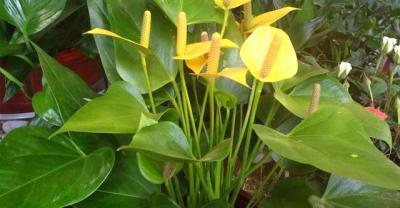
No need to spend money on nitrogen, phosphorus, and potassium fertilizers - make them at home and your flowers will grow like crazy
Recently, many gardening friends have left messages for Huahua. Some say their flowers grow slowly, and some say their flowers only grow leaves but do not bloom. In fact, these problems may all be caused by a lack of fertilizer...
-
How should ammonia nitrogen exceedance be handled during the breeding process?
In the process of aquaculture, we often encounter the problem of excessive ammonia nitrogen in ponds. In high-density intensive culture ponds, this problem is even more serious, causing certain harm to breeding...
-
A Complete Analysis of Ammonia Nitrogen Sources and Degradation Methods in Aquaculture
What is ammonia nitrogen? Ammonia nitrogen refers to the combination of nitrogen present as free ammonia and ammonium ions in water. It is the main factor causing major toxicity to aquatic organisms. However, ammonium ions are not toxic. 1. Sources of ammonia nitrogen. There are four main sources of ammonia nitrogen: first, sludge. The deeper the pond sludge, the more, as temperature rises, large amounts of organic matter ferment and produce ammonia nitrogen; second, feed. After feed is digested by aquatic animals, feces and urine are excreted, producing large amounts of ammonia nitrogen. Next, residual bait is transformed by anaerobic bacteria into peptides and amino acids, and then into molecular ammonia and ammonium ion substances; third, fertilizers. Such as organic fertilizer, urea, nitrogen fertilizer, compound fertilizer, etc., are all foundations for producing ammonia nitrogen; fourth, various dead grasses and algae, which are converted into ammonia nitrogen under the action of anaerobic bacteria. 2. Ammonia nitrogen degradation. First, natural consumption. 1. Through nitrifying bacteria living in the oxygen in the water body, ammonia is converted into nitrite, and then converted by a second type of nitrifying bacteria into nitrate. Nitrate is a non-toxic substance and is converted by anaerobic bacteria into nitrogen gas, which rises and is released; 2. Algae and microorganisms. Ammonia nitrogen is also a eutrophic fertilizer. The more algae and microorganisms there are, the stronger their ability to absorb ammonia nitrogen, and the faster the ammonia nitrogen content is reduced; 3. Aquatic plants, such as water hyacinth, alligator weed, lotus root and other aquatic plants. Among them, water hyacinth has a particularly strong ability to consume ammonia nitrogen. One water hyacinth plant with 10 branches can consume the ammonia nitrogen excreted by 8 people in 24 hours. Second, artificial degradation. 1. Clean out sludge and use coke slag landfill for adsorption; 2. Control stocking density and feed bait reasonably; 3. Regularly use photosynthetic bacteria and lactic acid bacteria as well as organic acids and sodium humate for nitrifying degradation; 4. Add and change water and increase oxygen, and control and regulate water quality well. When molecular ammonia in the water body exceeds the standard, the oxygen-carrying capacity of the gill fluid of aquatic animals will decline, damaging the epidermal tissue of the gills, leading to poor oxygen exchange in the blood, and at the same time poisoning will occur. Its manifestations include damage to internal organs such as the liver, pancreas, and stomach, swelling of the gastrointestinal tract, infection after mucosal damage, secretion of large amounts of mucus, causing difficulty breathing and leading to death. Ammonia nitrogen is the number one killer of aquatic animals, and it is also the most difficult problem for aquaculture personnel to grasp and solve. Prevention and control must be carried out from the very beginning, with regular testing, and strict prevention of serious exceedances and long-term exceedances, so as to ensure the healthy and normal growth of aquatic animals.
-
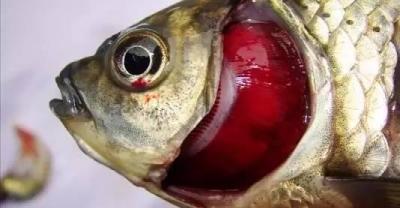
How is ammonia nitrogen degraded in aquaculture water? These basics you need to know
Friends in aquaculture may all know that controlling the concentration of ammonia nitrogen in aquaculture water is very important. Therefore, how to effectively control ammonia nitrogen and degrade ammonia nitrogen has also become something every...
-
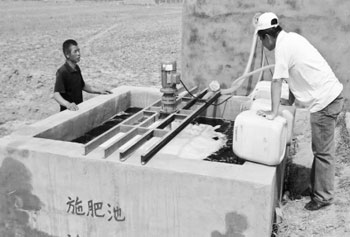
Village builds fertilizer filling station, liquid fertilizer ensures nitrogen supply
Village builds fertilizer filling station, liquid fertilizer supplies good nitrogen
-

Switch for improving nitrogen use efficiency in rice has been found
Switch for improving nitrogen use efficiency in rice found
-
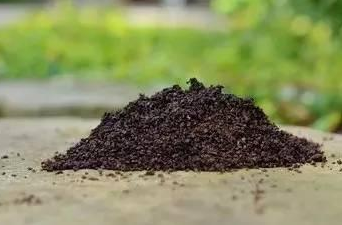
Coffee grounds for growing flowers can supplement nitrogen fertilizer and are also a slug killer
When it comes to coffee, many people nowadays really love drinking it, and so many coffee grounds get dumped everywhere. Coffee grounds are also very nutritious. Let's take a look at how to use coffee grounds for growing flowers: as mulch, coffee grounds are also a very good mulch, and they can help keep moisture in the soil
-
When fertilizing potatoes, the ratio of nitrogen, phosphorus and potassium should be appropriate
Potatoes have an equally important demand for nitrogen, phosphorus and potassium. In the process of yield formation, nitrogen supply is the foundation, ensuring the formation of sufficient green leaf area for photosynthesis; phosphorus supply is also indispensable for tuber formation and starch accumulation; on the basis of sufficient nitrogen and phosphorus, potassium supply is essential for carbohydrate assimilation in the early stage and for the later transport from above ground to underground tubers and starch accumulation. Field tests show that the absorption ratio of nitrogen, phosphorus and potassium by potatoes is about 1:0.5:2.5. In response to this demand
-
How to rescue pond fish after ammonia-nitrogen poisoning?
When carp, grass carp, bream, white pomfret, crucian carp, etc. are fed with pelleted feed, because the feeding amount is large, excrement and leftover feed increase, and the nitrogenous substances produced by protein decomposition increase accordingly. If even slightly careless, these fish will suffer ammonia-nitrogen poisoning, which at best affects normal growth and at worst causes the death of the fish. The identification and rescue methods for ammonia-nitrogen poisoning in pond fish are described below. I. Identification of poisoning 1. Occurrence characteristics. Ammonia-nitrogen poisoning has no distinction of season, morning or evening, or good or bad weather, and is mostly seen in adult fish
条件筛选