How is ammonia nitrogen degraded in aquaculture water? These basics you need to know
Friends in aquaculture may all know that controlling the concentration of ammonia nitrogen in aquaculture water is very important. Therefore, how to effectively control ammonia nitrogen and degrade ammonia nitrogen has also become common knowledge that every farmer must understand. The thoughtful editor has compiled the basics of ammonia nitrogen degradation for everyone, hoping it will be helpful to you.
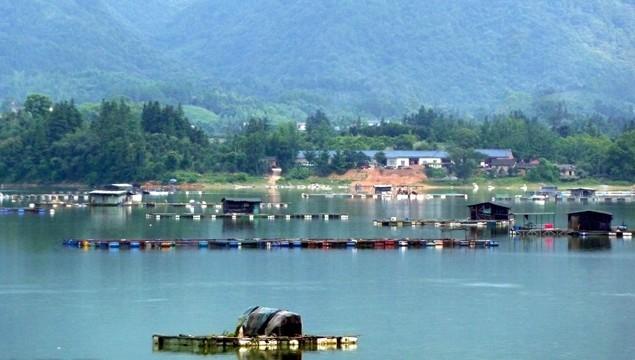
Sources of ammonia nitrogen in water
Ammonia nitrogen in aquaculture water mainly comes from the accumulation and decomposition of nitrogen-containing substances such as aquatic animal carcasses, excrement, feed and fertilizers. Ammonia nitrogen in water is decomposed and consumed by aquatic plants and microorganisms, and part of the ammonia nitrogen can be released into the air in gaseous form. Under normal circumstances, the degradation rate of ammonia nitrogen in water is not less than the production rate, and ammonia nitrogen in water will not accumulate. However, if the production rate of ammonia nitrogen in water is higher than the degradation rate, the ammonia nitrogen in the water will exceed the standard and affect the health of aquatic animals. During aquaculture, the ammonia nitrogen content should be strictly controlled below 0.2 mg/L.
Causes of ammonia nitrogen exceeding the standard
The ammonia nitrogen content in aquaculture water can very easily exceed the standard, mainly for the following reasons:
1. Many aquaculture farmers stock at too high a density, so feed residues and animal excrement in the water increase, the pressure on the water body's natural purification increases, and ammonia nitrogen accumulation is very likely to occur.
2. Regular disinfection of the water body kills many kinds of microorganisms in the water, disrupting the balance of the water body and seriously affecting the normal degradation of ammonia nitrogen.
3. Many farmers cannot achieve scientific farming, so there are phenomena such as overfeeding feed and organic fertilizer, further causing ammonia nitrogen to exceed the standard.
4. Aquaculture water quality is not easy to control. If the water body deteriorates and dissolved oxygen decreases, the production rate of ammonia nitrogen will exceed the degradation rate of ammonia nitrogen, keeping the ammonia nitrogen content high, further worsening the water body and forming a vicious cycle.
The causes of ammonia nitrogen exceeding the standard are all fairly easy to understand. Farmers can start from these aspects, strengthen prevention and control, and prevent the phenomenon of ammonia nitrogen exceeding the standard.
Harm of ammonia nitrogen exceeding the standard
Ammonia nitrogen exists in water in two forms: ammonia molecules and ammonium ions. Ammonium ions are non-toxic and harmless. The main harms of ammonia molecules are:
1. When the ammonia content is relatively low, it causes fish and shrimp to have reduced appetite, to float at the surface due to oxygen deficiency, and to grow slowly.
2. When the ammonia nitrogen concentration is relatively high, fish and shrimp float at the surface in large numbers, oxygenation measures cannot relieve the floating phenomenon, immunity decreases, they are susceptible to disease, and may even die.
3. Acute ammonia nitrogen poisoning can also cause fish and shrimp to become extremely excited and dart up and down in the water, followed by weakness, loss of balance and convulsions, and finally death.
Ammonia nitrogen exceeding the standard damages the blood, nervous system and other parts of fish and shrimp. Even low concentrations of ammonia can gradually cause gill diseases and so on. Farmers need to take it seriously, prevent ammonia nitrogen from exceeding the standard, and do a good job in ammonia nitrogen degradation.
Methods of ammonia nitrogen degradation
There are many methods for ammonia nitrogen degradation, including chemical degradation, physical adsorption and biological decomposition. However, long-term use of the first two will cause certain adverse effects on the water body, and they are methods that treat the symptoms but not the root cause. In an era when ecological agriculture is widely concerned, using biological methods to degrade ammonia nitrogen is the best choice.
NO.1 Aquatic plants degrade ammonia nitrogen
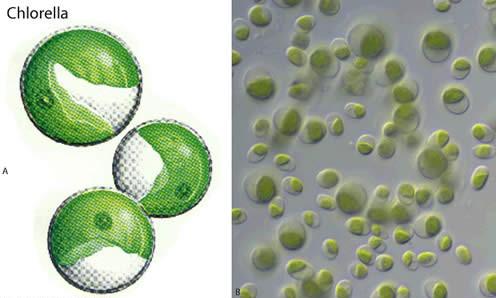
Many aquatic plants have a certain effect on ammonia nitrogen degradation. Microalgae can use ammonia nitrogen in water to synthesize organic substances such as amino acids and proteins. Therefore, using microalgae to degrade ammonia nitrogen is a good method. Among microalgae, chlorella, spirulina, diatoms and others can quickly degrade ammonia nitrogen, and fish and shrimp can also eat microalgae as bait, which can also play a role in increasing oxygen, enlivening the water and inhibiting harmful algae.
NO.2 Microorganisms degrade ammonia nitrogen
Microbial agent products screened, cultivated and rejuvenated using microbial technology can be mixed into fish and shrimp feed or directly splashed into aquaculture water. Through the microorganisms' own metabolism, they can degrade ammonia nitrogen and toxic and harmful substances in the water, inhibit the growth of harmful bacteria, balance the water body's ecological environment, regulate water quality, ensure the health of aquatic animals and promote growth. Microbial agents include single microbial agents (such as photosynthetic bacteria, Bacillus subtilis, etc.) and compound microbial agents. Compound microbial agent products contain a variety of probiotics, and their comprehensive effect on ammonia nitrogen degradation and water quality regulation is better than that of single microbial agents.
Microbial preparations and the method of using aquatic plants to degrade ammonia nitrogen can be used at the same time, are safe and ecological, and have remarkable effects. Using biological methods to degrade ammonia nitrogen is a method with broad application prospects and can be widely promoted. Welcome to follow WeChat "kylzem" to learn more about ecological agriculture technology.
Text/Kangyuan Lvzhou WeChat subscription account: Rujin