Essential nitrogen, phosphorus, and potassium fertilizers for growing flowers, easily made at home
For anyone who grows flowers, they probably understand one principle very well: if you want flowers to grow well, fertilizer is absolutely essential, and in the process of applying fertilizer, the three most important kinds are nitrogen, phosphorus, and potassium fertilizers. Many flower lovers do not know what they are or how to make them. So today, the flower enthusiast will show everyone how to easily make nitrogen, phosphorus, and potassium fertilizers at home.
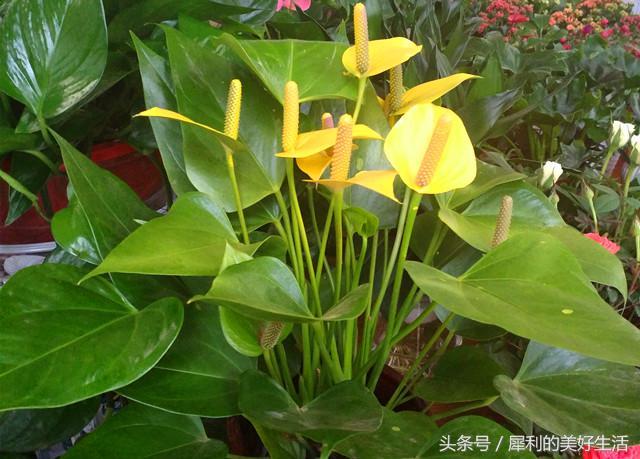
1. Nitrogen fertilizer
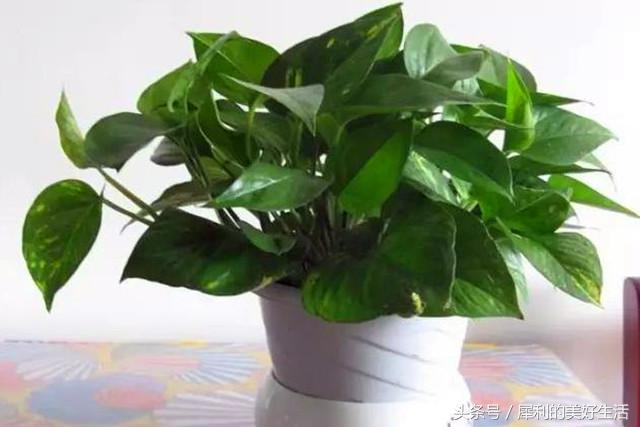
Nitrogen fertilizer is fertilizer rich in nitrogen, and nitrogen is a component of chlorophyll, which plays a decisive role in plant photosynthesis. Therefore, nitrogen fertilizer can also be called leaf fertilizer, and it is a necessary nutrient during the growing period of many foliage plants. If nitrogen fertilizer is lacking during the growing period, the plant leaves will become dull and lack luster. Although nitrogen fertilizer is relatively important, it is not the case that the more you apply, the better. Each month, depending on the size of the plant, you can decide whether to apply it once or twice.
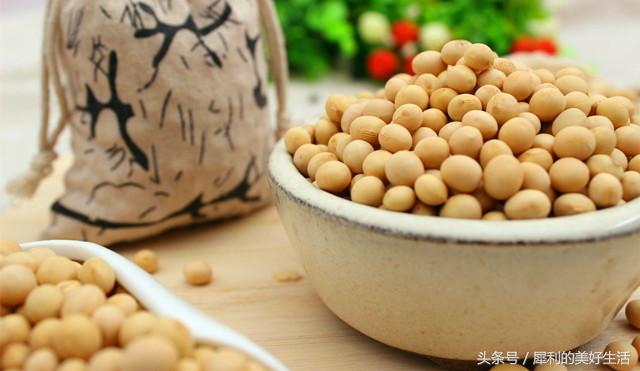
Making nitrogen fertilizer is very simple. Cook soybeans or peanuts from home, then put them into an airtight container. It is best to add a small amount of fermentation agent, then place the container in a place with relatively abundant sunlight. After about a month, it can be used. The fermented liquid fertilizer can be poured directly, and the residue can be placed at the bottom of the pot as base fertilizer. When composting nitrogen fertilizer, you must often open the container lid, otherwise the gas produced by fermentation will burst the container!
2. Phosphorus fertilizer
Phosphorus fertilizer is fertilizer rich in phosphorus, and phosphorus mainly promotes more and fuller flower buds, so it can also be called flower fertilizer. If phosphorus is lacking, the plant will have fewer and smaller flowers, poor flower color, poor fruit development, and other conditions. It is a necessary nutrient for flowering and fruiting plants.
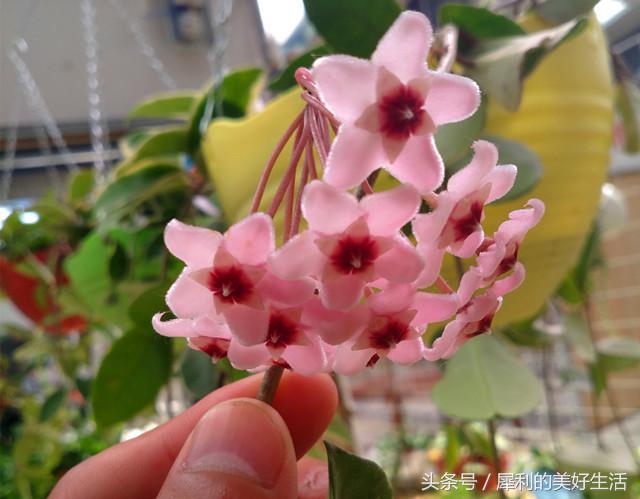
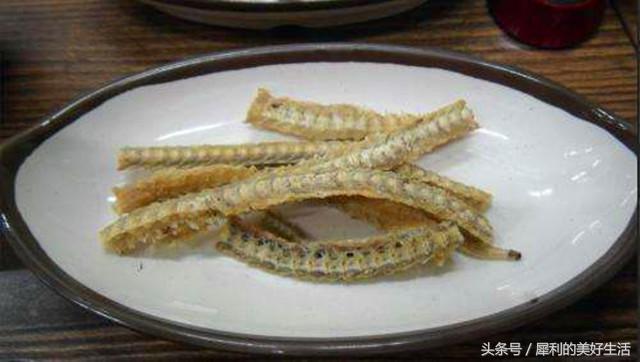
Making phosphorus fertilizer is also relatively simple. Directly wash the leftover fish bones clean, cut them into 2-3 cm lengths and dry them. Then the cut thin spines can be inserted along the edge of the pot, and the thicker fish bones can be placed at the bottom of the pot as base fertilizer. In this way, the fish bones can slowly decompose, and then the plant can gradually absorb the phosphorus fertilizer within them.
3. Potassium fertilizer
Potassium fertilizer is fertilizer rich in potassium. Although it has no direct effect on plants, it can improve the efficiency of photosynthesis, make plant roots and stems robust, branches full, and the whole plant upright. Therefore, it can also be called root fertilizer. If potassium fertilizer is lacking, it will cause the plant to be short, the stems to be thin, and the branches and leaves to be weak and unable to stand upright.
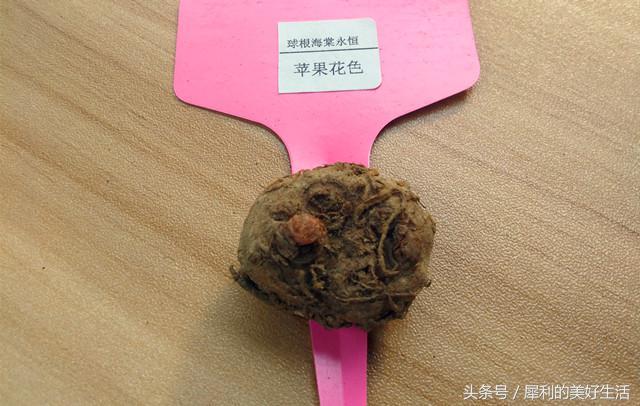
Making potassium fertilizer is also relatively simple. Usually when eating barbecue, you can collect small pieces of charcoal. Large pieces of charcoal can be spread at the bottom of the pot, which can both serve as a drainage layer and release potassium into the flower pot. Or small particles can be mixed into the potting soil and can also play the same role. You can also collect plant ash, dissolve it in water, take the upper clarified liquid, and apply it once every half month.
Knowing the effects of nitrogen, phosphorus, and potassium fertilizers, you also need to be clear about the application timing and key points for using the three fertilizers. During the growing period, nitrogen fertilizer is the main one; from the flowering period to the fruit-setting period, phosphorus and potassium fertilizers should be the main ones; foliage plants should be given more potassium fertilizer, flowering and fruiting plants should focus on phosphorus and potassium fertilizers, and bulbous plants should be given more potassium fertilizer. When using homemade fertilizer, be sure to remember that it is better to use it dilute than concentrated, otherwise it will damage the roots.