How should ammonia nitrogen exceedance be handled during the breeding process?
In the process of aquaculture, we often encounter the problem of excessive ammonia nitrogen in ponds. In high-density intensive culture ponds, this problem is even more serious, causing certain harm to breeding.
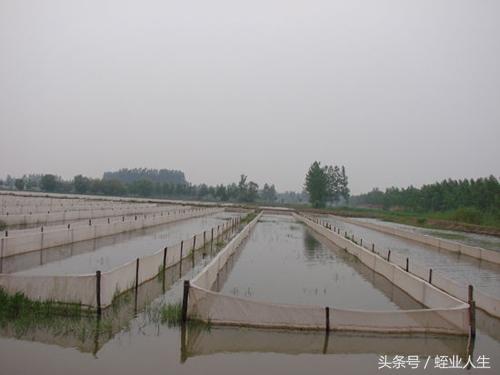
Ammonia nitrogen in water exists as molecular ammonia and ionic ammonia. Molecular ammonia is highly toxic to fish, while ionic ammonia is not only non-toxic but also one of the nutrient sources for aquatic plants.
Excessively high concentrations of molecular ammonia can cause toxemia in aquatic organisms, and prolonged high levels will inhibit the growth of aquatic organisms. Main sources of molecular ammonia: bait that sinks to the pond bottom, excrement, fertilizers, and the remains of dead animals and plants. Molecular ammonia nitrogen is highly toxic. When the concentration of molecular ammonia in the blood is relatively high, the pH value in the blood of aquatic organisms also rises accordingly, affecting the activity of various enzymes in the body and leading to inhibited growth. The higher the temperature and pH value, the stronger the toxicity of molecular ammonia. This is also why ammonia nitrogen poisoning is prone to occur in summer when the pond water pH exceeds 9.
Warning signs of ammonia nitrogen poisoning
(1) The water body is turbid, overly fertile, with low transparency, and covered with a blue-brown oil film.
(2) Bubbles are commonly seen rising from the pond bottom, and a fishy, foul odor can be smelled at the pond edge.
(3) Decreased appetite and weakened feeding competition intensity.
(4) Sporadic deaths of aquatic organisms often occur, etc.
Pathways for eliminating ammonia nitrogen
(1) Nitrification and denitrification. Ammonia (NH3) is oxidized by nitrosomonas bacteria into nitrous acid, and nitrous acid is then oxidized by nitrifying bacteria into nitric acid, which is called nitrification. Nitrification requires oxygen consumption. When the dissolved oxygen concentration in water is below 1-2 mg/L, the nitrification rate decreases significantly. When dissolved oxygen is lacking in water, denitrifying bacteria can reduce nitric acid to nitrous acid, hyponitrous acid, hydroxylamine, or nitrogen. This process is called nitrate reduction. When the gaseous nitrogen formed is released as a metabolite and lost from the system, it is called denitrification.
(2) Absorption by algae and plants. Because algae and aquatic plants can use ammonium (NH4+) to synthesize amino acids, the absorption of ammonia nitrogen by algae is the main method for removing ammonia nitrogen in ponds. In winter, the reduction and death of algae will cause the ammonia nitrogen content in water to rise significantly.
(3) Volatilization and sediment absorption. In ponds with high ammonia nitrogen concentration and high pH value, taking aeration measures, and under conditions of wind waves and stirred water flow, all favor the volatilization of ammonia nitrogen. Anions in the sediment soil can bind ammonium ions (NH4+). When seining or similar operations that cause bottom disturbance occur, the pond bottom sediment will temporarily suspend in the water, and ammonium ions (NH4+) will be released.
(4) Mineralization and return to organisms. So-called mineralization means that part of the ammonia nitrogen exists in the pond bottom soil in the form of organic matter. These organic substances decompose and then return to the water. The decomposition rate depends on temperature, pH value, dissolved oxygen, and the quantity and quality of organic matter. When the ammonia nitrogen concentration in water is high, ammonia (NH3, not NH4+) can enter the bodies of aquatic organisms.
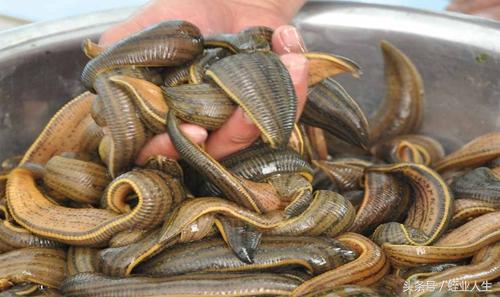
How to control ammonia nitrogen?
(1) Desilting and drying the pond. After each year's breeding is completed, carry out desilting and dry the pond, expose the pond bottom to sunlight, and use quicklime, strong chlorine, bleaching powder, etc. to thoroughly disinfect the pond bottom. This can remove ammonia nitrogen, enhance the water body's buffering capacity for pH, and maintain the water body slightly alkaline.
(2) Add and exchange new water. Water exchange is the fastest and most effective approach. The new water added must have good water quality, and the temperature, salinity, etc. of the new water should be as close as possible to the original pond water.
Note: First adjust the water level well. In summer, keep the water depth at 1-1.5 m; in autumn, keep it at 1.3-1.5 m. Second, exchange water regularly. In early summer, exchange water once every 10-15 days, exchanging 1/3 each time; from June to September, exchange water once a week, exchanging 1/3 to 1/2 each time. When exchanging water, pay attention to ensuring the water quality is fresh.
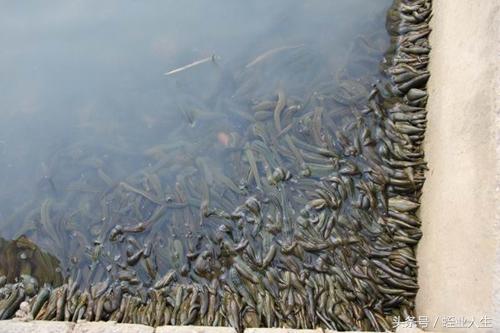
(3) Increase dissolved oxygen in the pond. Using a pond bottom oxygen enhancer in the pond can maintain sufficient dissolved oxygen in the pond, accelerate the nitrification reaction, and reduce the toxicity of ammonia nitrogen.
(4) Strengthen feeding management. Select high-quality protein raw materials, use feed with higher amino acid digestibility, avoid overfeeding, and improve the energy-to-protein ratio of the feed.
(5) Regularly apply microecological preparations for water bodies in the pond.
(6) Other measures. Reasonable stocking density, regular testing of water quality indicators, and more use of aerators (when using aerators, adhere to "three on, two off," namely: turn on at noon on sunny days, turn on in the early morning of the next day on cloudy days, turn on at midnight during continuous rainy days, do not turn on in the evening, and do not turn on during the daytime on rainy days), control water pH between 7.6-8.5, and do not let the pond pH value become too high. Apply photosynthetic bacteria so that they form a dominant population, use them to decompose organic waste, reduce ammonia nitrogen in water, and regulate water quality well.
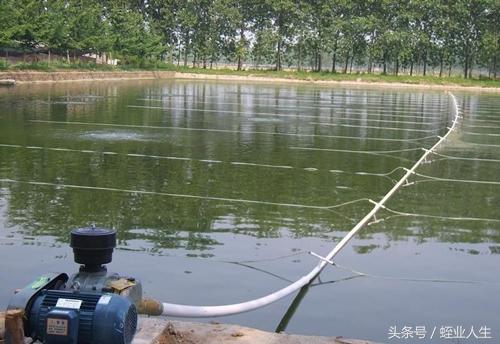
In addition, if the water quality is too dense or deteriorates, emergency measures should be taken immediately. First add new water or exchange 1/4 to 1/3 of the water. After doing this twice in succession, splash a slurry made by mixing quicklime with river mud; after the water color changes, properly stir the pond bottom, then fertilize to adjust the water quality (Note: do not apply organic fertilizer).
Factors and time periods for ammonia nitrogen exceedance
Ammonia nitrogen exceedance usually occurs in the middle and late stages of breeding. At this time, due to the increase in residual bait and feces, harmful substances at the pond bottom continuously accumulate, causing ammonia nitrogen, nitrite, etc. to exceed standards.
Usually first try detoxification water modification or detoxification water purification to decompose macromolecular organic matter settling in the water body, then try bottom modification products to decompose harmful substances deposited at the pond bottom. After regulation, the water quality needs regular use of chlorella sources, Bacillus subtilis, etc. for fertilizing water and stabilizing water quality. In hot weather, in addition to frequently adding new water, sufficient dissolved oxygen at the bottom layer of the water body should be maintained. At the same time, regularly apply compound microbial preparations and organic biological compound fertilizers every half month to reduce ammonia nitrogen in the water body, decompose organic waste in the bottom mud, and inhibit the production of ammonia nitrogen. Disinfectants should be applied to the water body for sterilization to prevent pathogen infection.
Article source: China Leech Network
For more information about leeches, please follow the WeChat public account: [Souzhi Network], WeChat ID - shuizhicn