Few longan and lychee flowers, less tea tree, bees go hungry and need more nectar plants
Bee disasters are being reported frequently. Neonicotinoid and fipronil pesticides have already pushed bees to a life-or-death juncture, and the colonies that barely survived are now affected by the flowering conditions of longan and lychee in recent years. Under the double blow of climate and pests, it is simply difficult to harvest longan and lychee honey. The beekeepers' association estimates that this year's harvest is less than 30% of past bumper years; with such a miserable harvest, local beekeepers unanimously point to "not flowering" as the biggest culprit for this year's poor harvest.
Not only have longan and lychee flowering conditions run into problems; in recent years, the planting area of tea, an important nectar plant, has also fallen sharply. According to the dynamic query results of the Council of Agriculture's agricultural statistics, the tea planting area was directly halved from more than 21,000 hectares in the 86th year of the Republic of China to about 11,000 hectares in the 105th year of the Republic of China.
As the area of nectar plants decreases year by year and bee colonies find no food, "alleviating the reduction of nectar plants" has already become an urgent task.
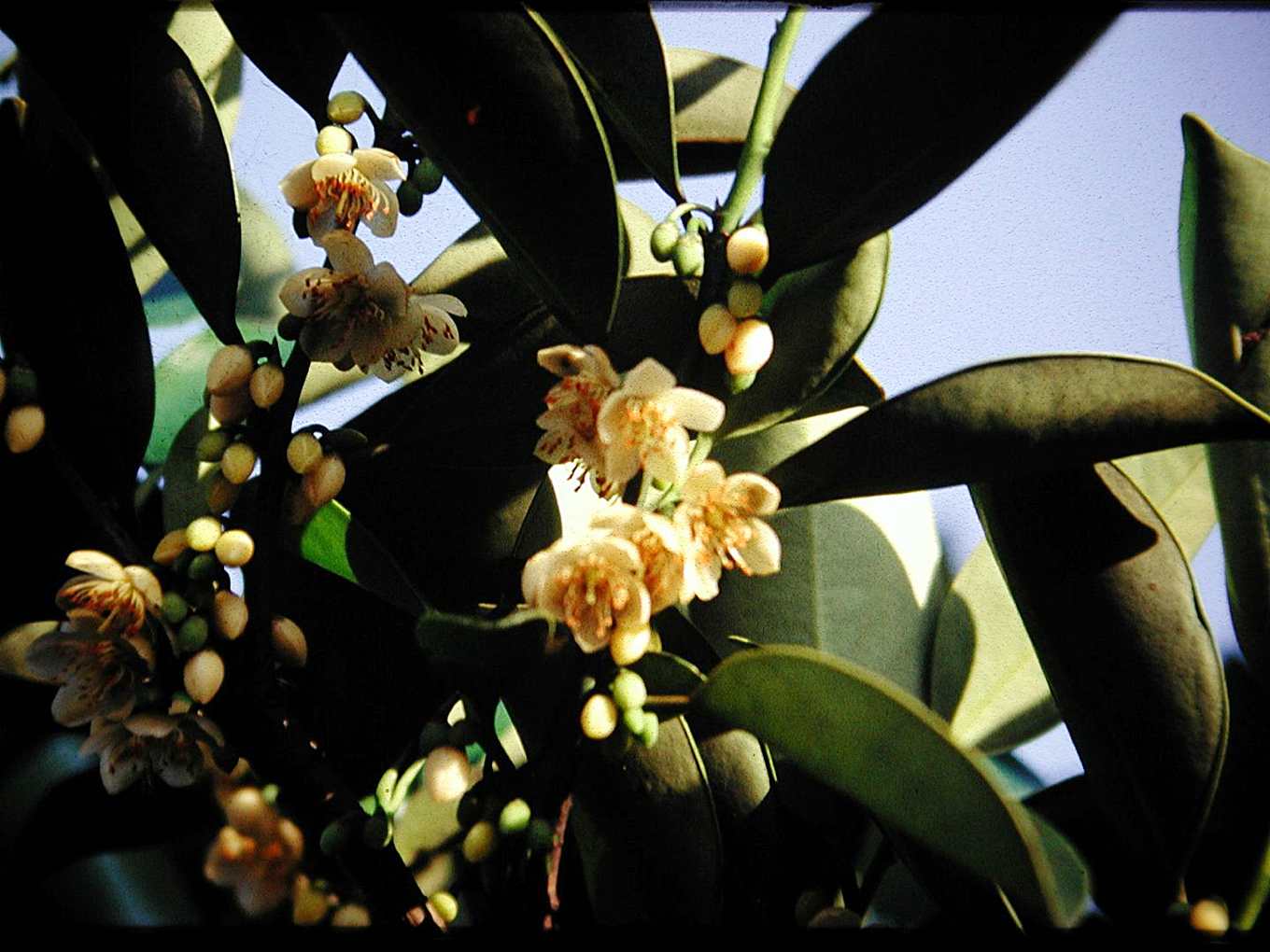


[Selection of tree species for providing nectar plants]
From January to May, temperatures are low, so beehives can be placed on flatland or at low altitude, matched with nectar plants flowering in different locations during this season, forming various single-flower or multifloral "commercial honey" as follows:
Shallow mountain areas: the planted tree species and flowering periods are Machilus species (January-March), Eurya (January-March), Gordonia axillaris (February-March), Cyclobalanopsis glauca (March-April), small-leaved mulberry (March-April), Ternstroemia gymnanthera (April-May), Fraxinus griffithii (April-May), Lanyu tree willow (April-May), Chinese tallow tree (May-June), red lip fern (May-June), Elaeocarpus (May-June), Mallotus (May-June), acacia (May-June), soapberry (June-July), Lagerstroemia subcostata (June-August), orange jasmine (May-October).
Coastal shelterbelt areas: the planted tree species and flowering periods are pandanus (January-April), Calophyllum inophyllum (June-July), sea hibiscus (April-September), Pongamia pinnata (April-May), Taiwan pittosporum (April-May), chinaberry (April-May), Vitex negundo (July-August), cajeput (September-October).
From June to December, when temperatures are higher than in "mid-altitude areas," beehives are placed (bees escape the heat, reproduce, and store food for winter), beekeepers do not collect honey, and the flowering tree species and flowering periods matched to different locations in this season are Turn-in-the-wind (July-August), mountain hibiscus (September-October), Rhus roxburghii (September-October), Schefflera octophylla (September-December), Palaquium formosanum (September-October), Litsea akoensis (September-October), Taiwan goldenrain tree (September-October), Aralia decaisneana (October-December), Aralia decaisneana var. (October-December).
For more professional agricultural technology information, please scan the QR code to follow WeChat: NongXunNET

Please indicate the source when reprinting.