-
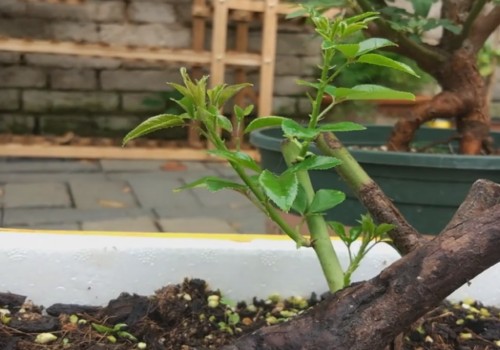
How to grow rose rootstock (Rosa multiflora) for grafting roses
Generally, the Rosa multiflora stumps we dig up from the wild are oddly shaped, and when we plant them in flower pots, many roots are usually exposed above the pot surface, because their root systems are simply too long and too developed. Even if we use deeper gallon pots, their roots can still reach the bottom of the pot
-
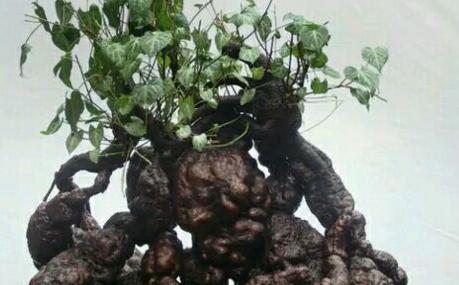
Growing environment, sowing time and planting methods for the climbing plant He Shou Wu (Fallopia multiflora)
He Shou Wu, also known as Polygonum multiflorum, purple vine, and Ye Jiao Teng, among other names. It can tonify essence and blood, darken beard and hair, strengthen sinews and bones, and tonify the liver and kidneys. It is a common precious and fine Chinese medicinal herb. So, where does the climbing plant He Shou Wu grow? When is it sown? How is it planted? Where does the climbing plant He Shou Wu grow?
-
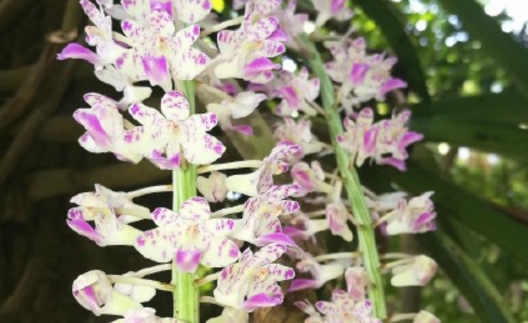
How to Grow Aerides multiflora, Potting Techniques, and How It Differs from Rhynchostylis
Aerides orchids like warm, humid environments and dislike strong light, making them suited to semi-shaded conditions. So what are the cultivation methods for Aerides? How does it differ from Rhynchostylis? How do you pot it? According to available information, the suitable growing temperature for Aerides is 15-28°C, and it can overwinter as long as the winter temperature stays above 8°C.
-
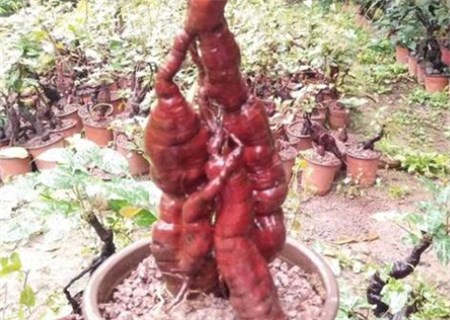
How to Grow He Shou Wu (Fallopia multiflora) as a Bonsai, How to Make Medicinal Wine with It, and What It Should Not Be Eaten With
Many friends only know that He Shou Wu (Fallopia multiflora) can be used as medicine, but many people do not know that it can actually also be grown for ornamental purposes. He Shou Wu can not only be made into a bonsai for people to admire, so do you know what the methods for growing a He Shou Wu bonsai are? What can it not be eaten with? What are the methods for making medicinal wine with it?
-
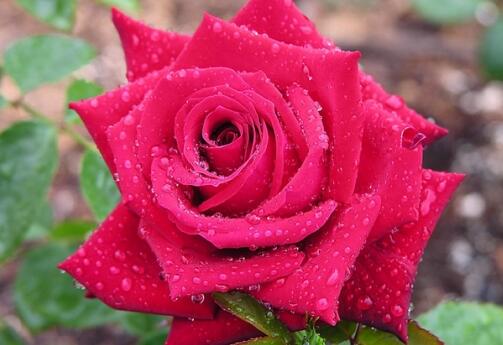
Reasons Why Roses (Rosa multiflora) Fail to Bloom and How to Fix Them
Rosa multiflora likes to grow in thickets by roadsides, field edges or on hilly land, and is distributed in East China, Central South China and other regions. From May to June, when the flowers are in full bloom, pick them on a sunny day, dry them in the sun and use them as medicine. Rosa multiflora flowers come in many colors, including white, light red, deep peach red, yellow and so on
-
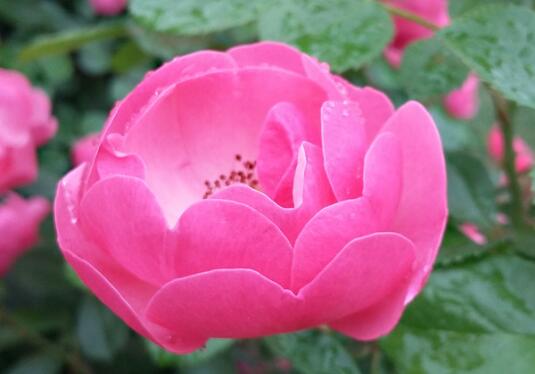
Differences Between Climbing Roses and Multiflora Roses: Appearance, Blooming Period, and Propagation Explained
Climbing roses and multiflora roses are two completely different plants, but because they belong to the same family and look somewhat similar, they are often easily confused. In fact, on closer inspection, these two plants still have many differences. What exactly are the differences between climbing roses and multiflora roses?
-
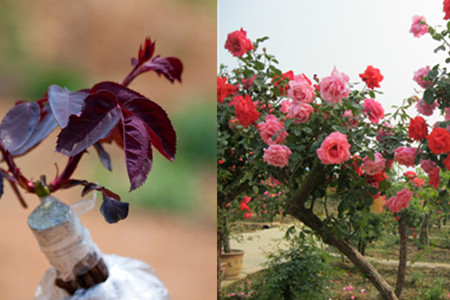
What tree is used to graft roses? Both Rosa multiflora and Rosa rugosa can be chosen
Everyone is surely familiar with grafted roses. Grafting takes a fresh branch of a rose and grafts it onto the rootstock of another variety, so that the characteristics of the two plants blend together and produce even more brilliantly colorful roses
-
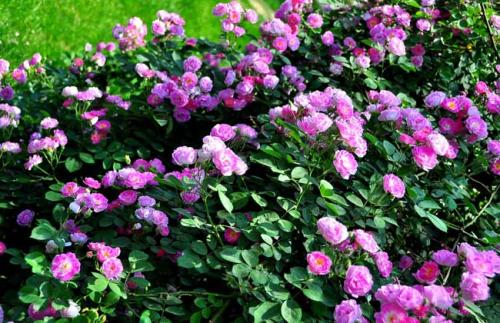
How to grow Rosa multiflora? Detailed care measures and precautions
1. Sunlight: Rosa multiflora likes light and needs plenty of it, so make sure it gets enough sunlight. 2. Water: Rosa multiflora is slightly shade-tolerant but afraid of waterlogging, so when watering, pay attention to controlling the amount; do not water too much, and do not water too little. Just keep the soil moist, and never let water accumulate.
-

A Detailed Guide to Potted Rose (Rosa multiflora) Care Methods and Management Key Points
Most roses are world-famous ornamental plants. They prefer growing in thickets along roadsides, field edges, or hilly land, and are widely distributed across the cold-temperate to subtropical regions of Asia, Europe, North Africa, and North America. They have extremely high ornamental value and a very long cultivation history in our country, making them very suitable for bonsai cultivation.
条件筛选