-
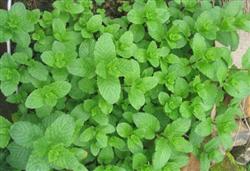
How to Grow Mint Efficiently? A Detailed Guide to Practical Cultivation Techniques
Mint, also known as Su mint or Nan mint, is a plant of the Lamiaceae family, mint. The whole plant is used as medicine, and it has effects such as dispelling wind-heat, clearing the head and eyes, and regulating qi to relieve depression. Mint has strong adaptability. When grown in areas at an altitude of 300 m-1000 m, its oil and menthol content are relatively high. It prefers a warm and humid environment, and the optimal temperature for growth is 20°C...
-
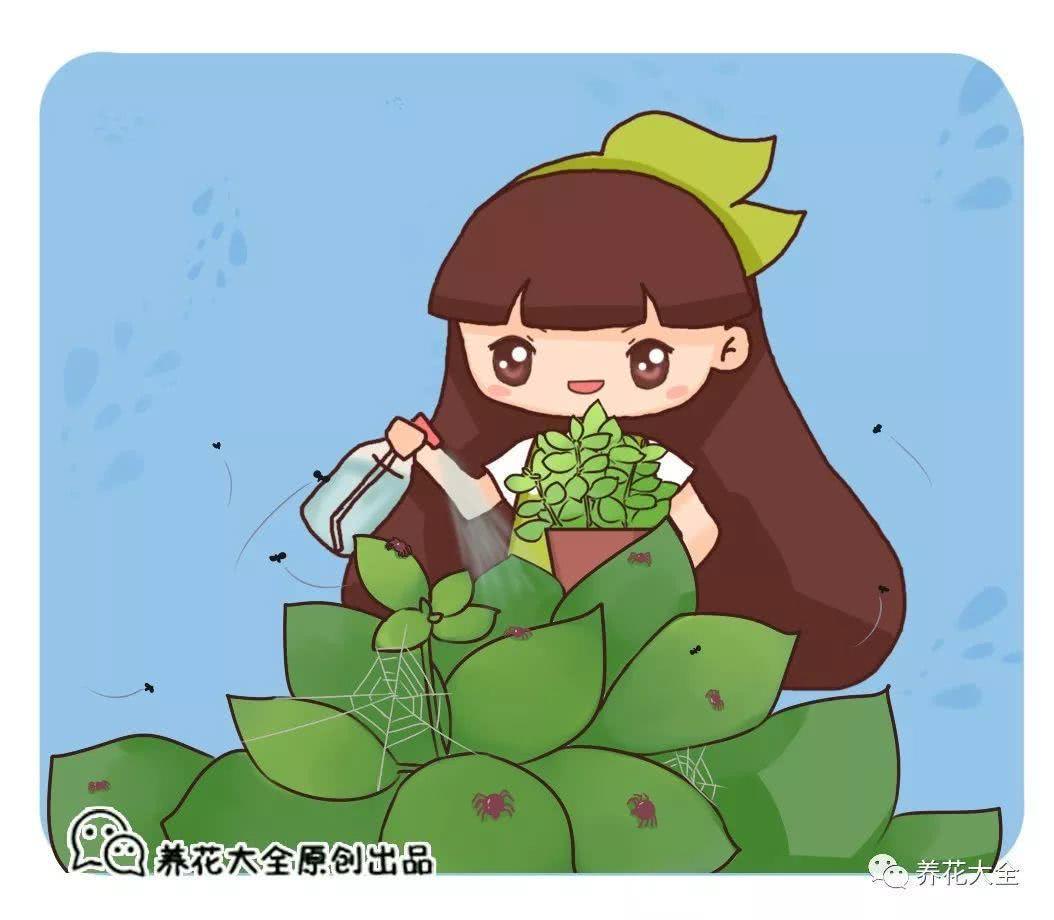
Growing flowers attracts mosquitoes and bugs? Add a little mint to water to drive aphids off the leaves
Huahua took a stroll around the small garden in the evening, and in half an hour got several mosquito bites, not to mention all sorts of little bugs hovering around, which is simply maddening! So, for the various mosquitoes and bugs that often appear in the homes of flower-growing enthusiasts, today...
-
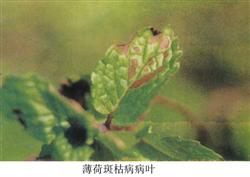
What Is Mint Leaf Spot Disease? A Detailed Guide to Mint Cultivation Techniques
What is mint leaf spot disease? Please give an introduction. Mint leaf spot disease occurs commonly in our area; this disease is a fungal disease. Symptoms: It mainly harms the leaves. Round to irregular dark green spots, 2-3mm in size, appear on the leaf surface, later turning brown, with the center fading to gray and a faded margin around them; black...
-
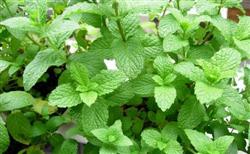
Common Pests and Diseases in Mint Cultivation and Their Control Techniques
What pests and diseases of mint need to be controlled? Please provide guidance. Common pests and diseases of mint include rust, leaf spot, cutworm, silver Y moth, and tobacco cutworm. For agricultural control, choose disease-resistant and disease-tolerant varieties, and in particular implement measures such as rational crop rotation. In pest and disease control, pay attention to early detection and early control...
-
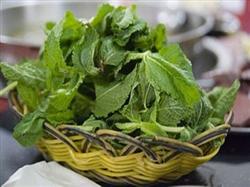
How to harvest mint? Detailed explanation of key cultivation techniques
How to harvest mint? A detailed introduction: mint is harvested twice a year. The first harvest is from late June to early July, but no later than mid-July, otherwise the second yield will be affected. The second harvest takes place in early October during the flowering period. When harvesting, choose a sunny day between 10 a.m. and 4 p.m., with the period from 12 noon to 2 p.m. being the best...
-
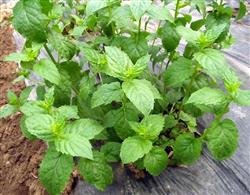
What are the key points and precautions for mint cultivation techniques
What should be noted when planting mint? Please give guidance. When planting mint, note the following two points: 1. Mint should not be planted continuously on the same land. Before sowing, plow deep and harrow fine, open furrows and make beds. In production, rhizome propagation is mainly used, and cuttings propagation and division propagation can also be used. Choose rhizomes with short internodes, white color, thick and strong growth, and no pests or diseases as seed...
-

How do you care for mint at home? A few practical methods to teach you
How do you grow mint at home? Here is an introduction. When growing mint at home, you can refer to the following methods for care: Watering: When watering curly mint, note that you should not water if the soil surface is not dry; if it is dry, water thoroughly. The water used can be plain water, and preferably rice-washing water from home, which is both nutritious and saves water....
-

How to manage mint cultivation? Key technical points and methods explained
How to manage mint well? Please explain in detail. 1. Mint management methods. 1. Mint seedling preparation: After transplanting in early April, when the seedlings are 10 cm tall, fill in gaps, keeping plant spacing at about 15 cm, that is, leaving 20,000 to 30,000 plants per mu. 2. Cultivation and weeding: Carry out cultivation and weeding 3 times between March and April. Because mint...
-

How do you prevent and control pests and diseases when growing mint?
How do you prevent and control pests and diseases of mint? Please explain the control methods. The main pests and diseases of mint are rust, leaf spot and the black cutworm. For detailed control methods, refer to the following: 1. Control methods and damage of mint rust: the pathogen is a basidiomycete fungus, damaging leaves and stems. From May to June, when there is continuous rain or excessive drought, the disease occurs easily...
-

How to Grow Mint? Master Mint Growing Methods in One Article
How to grow mint? Please introduce the growing methods. Mint dispels various heat conditions, disperses wind and promotes sweating, clears the head and eyes, and benefits the throat. It treats common cold with headache, loss of voice, throat discomfort, mild wind and infantile convulsions with hidden pain, etc. Mint is suitable for growing in places with a mild climate, abundant sunlight, moist soil, and loose, fertile, well-drained soil. Mint is not suitable...
条件筛选