-
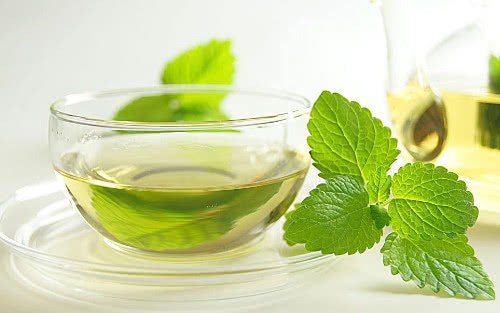
Mint leaves are a treasure for cooling down internal heat; with them around in summer, you never have to worry about excess internal heat again.
Mint is a plant we are all very familiar with. If you want to grow a pot of something that is both ornamental and highly practical, mint really is a great choice. Many people often suffer from excess internal heat in daily life, and in work and life there are always...
-

Cultivation and Management Techniques for Spearmint Round-Leaved Mint
Round-leaved mint scientific name: Mentharotundifolia(linn.)huds. Aliases: Spearmint round-leaved mint. Family and genus: Lamiaceae, Mentha. Morphological characteristics: Perennial herb, stem 4-angled, densely covered with white hairs. Leaves opposite, oblong-ovate to round
-
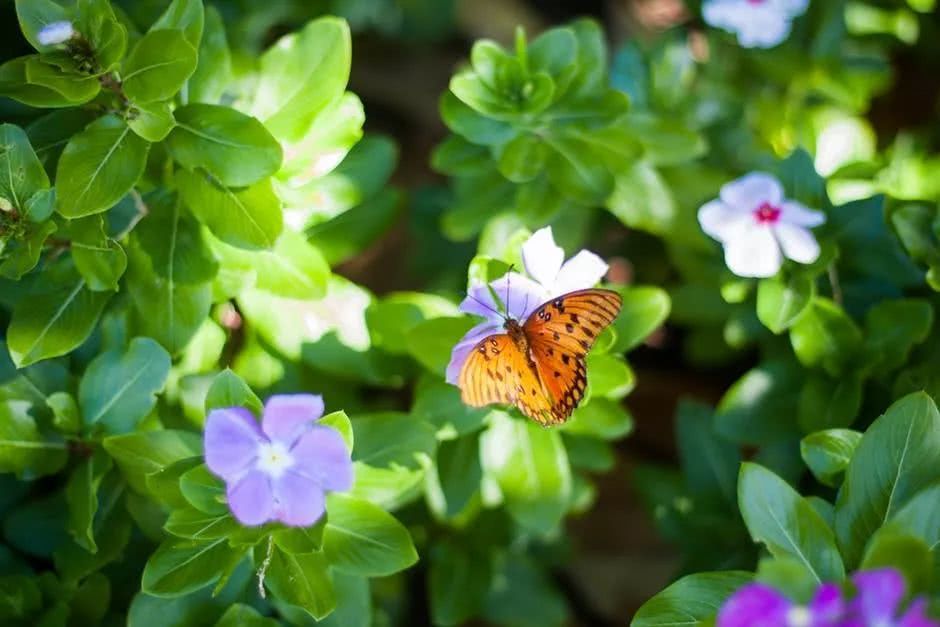
10 things to note when caring for herb plants such as mint and thyme
Caring for herb plants is much simpler than growing flowers, much like growing vegetables. They have high light requirements, grow well on semi-shaded balconies and windowsills, and are suitable for container growing. Their leaves and stems can also...
-

-

How to Grow Mint? Detailed Guide to Growing Methods and Precautions
Mint Growing Methods and Precautions
-
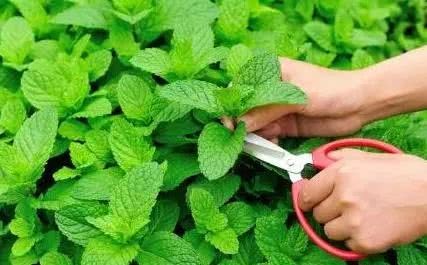
Mint is easy to grow, it survives from a cutting, and the more you pick, the more vigorously it grows
Many friends love mint, especially in summer, when you pick a few fresh mint leaves and brew a cup of tea, best of all chilled in the fridge, it is simply incredibly refreshing. When I was little there was a clump of mint by the front door, and in summer my mother also liked to...
-
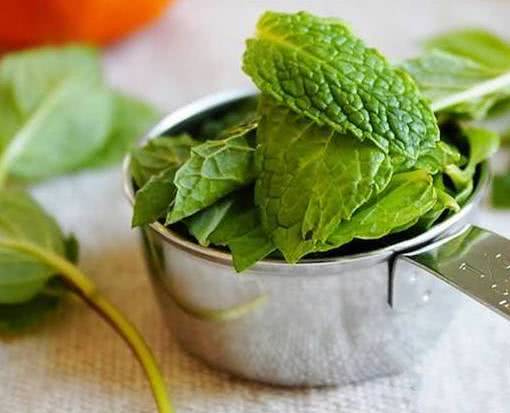
Grow mint this way and it won't turn yellow - lush green leaves grow like crazy and fill the pot in 1 month
Mint is one of our commonly used traditional Chinese medicines. It has a special fragrance, is pungent and cooling, and induces sweating to relieve fever. It can treat influenza, headache, red eyes, fever, sore throat, swollen and painful gums, and other conditions. Used externally, it can treat neuralgia, skin itching, rashes, eczema, and more...
-
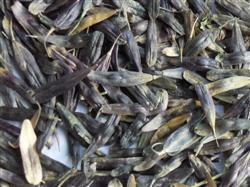
Symptoms and control methods of southern blight in mint
Isatis root seeds have a lifespan of 2 years. After more than 2 years, the seeds do not germinate; even if a small portion germinates, they soon die, which is called "failure to establish seedlings." Therefore, new seeds should be purchased whenever possible. Generally, newly produced Isatis root seeds (also called daqingzi) are blue-black in appearance, have good gloss and are shiny, with a relatively strong fresh fragrance,...
-
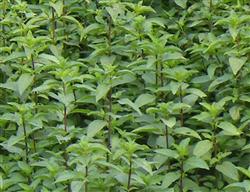
How to manage mint before and after emergence? Key technical points explained in detail
Based on many years of large-scale mint cultivation practice, effectively strengthening field management before and after the emergence of first-cut mint is an effective measure to achieve high yield, high quality and high efficiency. It can increase mint crude oil by l-1.5 kg per mu, with a net profit increase of about 100 yuan. 1. Clear ditches and improve soil moisture conditions to reduce field humidity. Mint is both afraid of drought and intolerant of waterlogging, and soil...
-
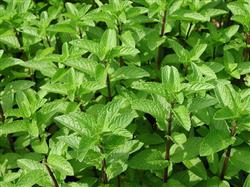
Key techniques for high-yield mint cultivation: grow it this way for higher yields
Mint is one of the main economic crops. The whole plant of this plant is used as medicine. It is highly adaptable, prefers a mild and humid environment, and has extremely strong vitality even under drought conditions. After the rhizomes are planted, seedlings can emerge once the daily average temperature reaches 6°C; growth is fastest in May and June, and the suitable temperature for growth is 20-30°C; when the temperature drops below zero...
条件筛选