Mint is easy to grow, it survives from a cutting, and the more you pick, the more vigorously it grows
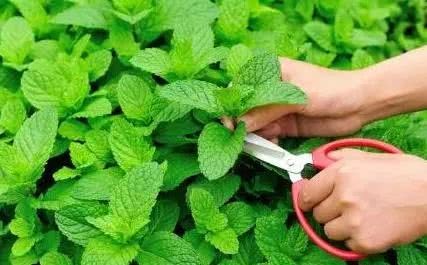
Many friends love mint, especially in summer, when you pick a few fresh mint leaves and brew a cup of tea, best of all chilled in the fridge, it is simply incredibly refreshing. When I was little there was a clump of mint by the front door, and in summer my mother also liked to rub the mint and put it near her temples, which refreshes you and helps relieve the summer heat.
Mint is actually very easy to grow. I remember there was a clump of mint by the front door when I was little; when it was planted there were only two or three stems, and later we hardly bothered with it, yet it slowly grew on its own, and eventually a large patch of it was all mint. Every year there was fresh mint to pick, and the neighbours always liked to transplant a few plants too.
Mint's growing habits
If you want to grow mint well, it is of course best to first understand its growing habits, so you know both yourself and your plant. Mint is grown in most parts of our country, has very strong adaptability, and is a perennial herbaceous plant, so once it takes hold it will sprout again the following year. It can endure low temperatures of -15°C, and its vitality is very tenacious. The most suitable growing temperature is around 30°C; it likes light, has strong drought tolerance, and is suited to growing in sandy soil.
Now that we understand mint's growing habits, let's talk about how to grow mint. There are quite a few ways to grow mint: you can sow seeds, or take cuttings, or divide the plants, all of which work. Still, growing it at home and growing it in a field are slightly different. Here I will explain the situations separately.
Growing mint at home
Growing mint at home is not so particular. The mint my family grew back then came from a few plants obtained from a neighbour, planted straight into the ground with their roots and they survived.
Sowing seeds
If you don't mind the trouble, you can buy some mint seeds at a flower market or online. Mint seeds are very small, so you need patience when planting. Find a suitable flower pot, and the potting soil is best fairly loose; gently scatter the mint seeds on the soil, then cover with a thin layer of soil, then water thoroughly, and because the seeds are quite tiny, it is best to water with a spray bottle.
You can cover the pot with plastic wrap and poke a few small holes in it for ventilation; usually mint sprouts in about a week.
Growing from seed is a bit more troublesome, but watching the seeds sprout is quite interesting. If you find it too much trouble, you can also use the cutting method: cut off a stem of mint, put it in clean water, and usually fine roots grow out after about a week, at which point it can be transplanted.
Routine care
Potted mint is actually very easy to manage, and it can fill the pot without much care, making it very suitable for lazy growers. Mint likes light, so it is best to keep it in a sunny spot, which prevents it from becoming leggy.
In summer mint needs a bit more water, once a day is enough, and normally spray more water on the leaves. Also, don't worry that picking leaves will affect the mint's growth, that is not a thing; the more you pick, the more vigorously it grows.
Field-grown mint
For field-grown mint, choose varieties with relatively strong disease resistance, so you can get a high yield. Depending on the growing method, the timing differs somewhat: generally rhizome propagation is done from April to August, and cuttings are planted in May.
In field management, take care to weed promptly so it does not affect the mint's growth. Also, mint needs a fair amount of water during its growing period, generally watered once every two weeks. After each harvest, remember to top-dress promptly; urea can be used for top-dressing, but be careful to avoid burning the seedlings.
In daily care, pay attention to the prevention and control of pests and diseases. Generally it can be harvested in early July each year.