-
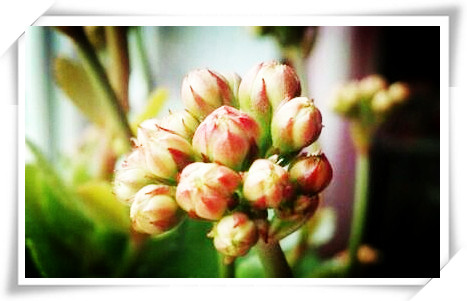
Pest and disease control techniques for aphids, red spiders, scale insects, damping-off, rust and powdery mildew on flowers
In spring, the temperature turns warm then cold again, and the air humidity is high. At present, the occurrence of crop pests and diseases is at a moderate to severe level, and flowers also suffer from many pests and diseases. Generally, the following are more serious in April and May: damping-off, when the temperature reaches 20°C
-
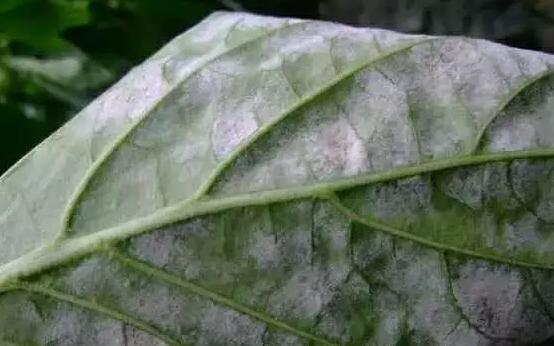
What are the symptoms of powdery mildew on flowers, fruit, wheat and other crops, and what is the best medicine to spray?
Powdery mildew is one of the main diseases on summer vegetables. In summer, due to high temperature, muggy humidity, improper fertilization, leggy plant growth, poor ventilation and other reasons, this disease is prone to occur. So what medicine is better for powdery mildew? What symptoms are there? Powdery mildew mostly occurs in the late growth stage of plants and mainly harms leaves
-

What fungicide should be used when grapes get gray mold, downy mildew, or powdery mildew?
Although greenhouses and rain shelters can reduce disease occurrence to a certain extent, when environmental humidity is too high, grapes will still get sick, and it is easy for them to catch gray mold, downy mildew, white rot, black pox, white rot, and powdery mildew
-
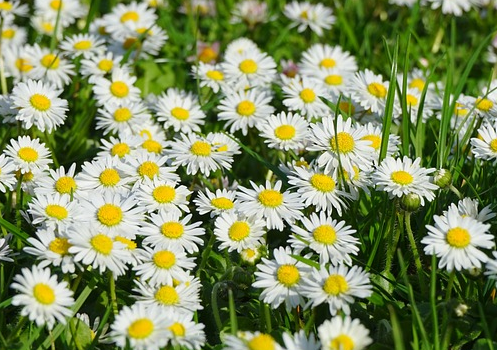
Detailed Explanation of the Morphological Characteristics and Control Methods of Chrysanthemum Downy Mildew
Chrysanthemum downy mildew mostly occurs in mountainous areas with an average temperature of 16.4°C-19.0°C, annual rainfall of about 1500mm, and low-temperature, rainy springs. It is one of the major diseases of chrysanthemums. So what morphological characteristics and control methods does chrysanthemum downy mildew have? Let us follow forestry experts to understand these issues.
-

How to prevent and control downy mildew in loofah? Farmers share their growing experience
Click to follow us, we update agricultural planting techniques every day, helping you achieve high yields and get rich. Symptoms: Loofah downy mildew mainly damages the leaves. In the early stage of the disease, on the leaves...
-
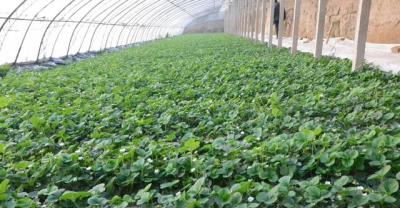
Cucumber Powdery Mildew Symptom Guide for Rural Planting
Whether it is large-scale commercial farming or smallholder growing, cucumber powdery mildew is a disease we often encounter in rural planting. How can we treat it with the right remedy? Please...
-
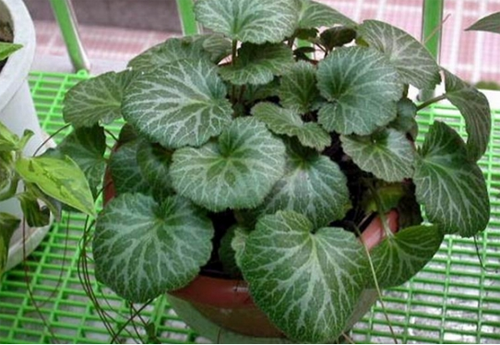
Saxifraga stolonifera Care Methods and Powdery Mildew Prevention Tips
Saxifraga stolonifera is incredibly beautiful and very charming. Saxifraga stolonifera can be planted not only in soil but also in water. How do you care for Saxifraga stolonifera? If powdery mildew appears during cultivation, how should it be treated? How do you care for Saxifraga stolonifera? Suitable temperature: it likes warmth, and is generally most comfortable above 15 degrees
-

What are the control methods for soybean downy mildew?
Soybean downy mildew damages seedlings, leaves and seeds. After the first true leaf unfolds, chlorotic patches appear along both sides of the veins. On the leaves of mature plants, round or irregular yellow-green specks with indistinct edges appear on the surface, later turning brown, and a grayish-white mold layer forms on the underside of the leaves. The surface of diseased seeds is covered with a grayish-white layer of mycelium containing large numbers of the pathogen's oospores. The pathogen overwinters as oospores on seeds and in diseased leaves, becoming the primary infection source for the following year. The disease begins to appear in mid-to-late June each year, with the peak period from July to August, and in rainy years it often becomes severe. Control
-
How to Identify Soybean Downy Mildew? A Complete Guide to Prevention and Control Techniques
Downy mildew is found in all major soybean-producing regions of China, occurring more frequently in the cold-climate areas of the Northeast and North China during the soybean growing season, with the disease worsening in rainy years, severely causing premature leaf drop or wilting, seed rot, and yield losses of 30%-50%. It mainly damages the leaves, pods, and seeds of seedlings or mature plants. Symptoms: The pathogen on infected seeds causes systemic infection leading to seedling disease, but the cotyledons show no symptoms. After the first pair of true leaves unfolds, chlorotic patches appear along both sides of the leaf veins, spreading along the main vein and lateral veins, causing the entire leaf to lose chlorophyll, with
-
Symptom identification and control methods of cotton white mildew
Symptoms The disease occurs in the middle and late growth stages of cotton in all cotton regions. At first, white spots 3-4 mm in diameter appear between individual leaf vein networks, then become irregular polygons. On the upper surface of the leaf, the lesions are light green to yellow-green, and on the corresponding lower surface, many white frost-like conidiophores and conidia are produced. In severe cases, the diseased leaves dry up and fall off. The pathogen Ramularia areola Atk. is called white-spot Ramularia or cotton Ramularia, a fungus of the Deuteromycotina. The conidiophores are colorless, emerge in bundles from the stomata on the lower leaf surface, mostly branch at the base, and have tooth-like
条件筛选