-
-
Appreciation Methods and Key Points for Leaf-variegated Plants
Appreciation of Leaf-variegated Types
-

-
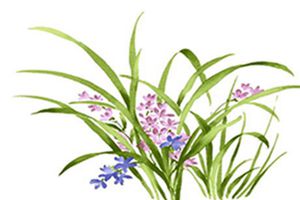
The correct method and detailed steps for trimming orchid roots
First, you need to sort the roots, separating healthy roots from unhealthy ones. As long as there are more than four good roots, you can remove all the other rotten roots. At the same time, remove its leaf sheaths, otherwise many parasites will hide inside them. Some broken roots that are still fairly fresh do not need to be trimmed.
-
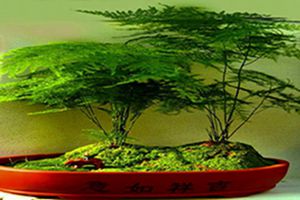
How to prevent dry tips on asparagus fern? Mastering these methods is very effective
It may be because there is not enough water, so its roots cannot provide extra water to the leaves. Its ability to absorb water is relatively weak to begin with, so the leaves will develop problems. If the sun is too strong, the leaves will be scorched, so you need to shade it and place it in a cool area to recover slowly. Hot wind damage can also cause its leaves to dry out, so you need to move it indoors and spray water to keep it moist.
-
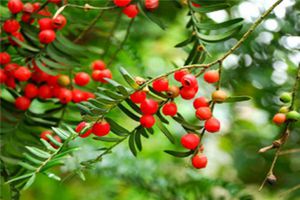
What to do if a yew (Taxus) is frostbitten? Frost damage remedy and treatment methods
If it has been frostbitten, you must warm it immediately; you can build a shelter for it and wrap it with plastic bags on the outside. In winter, water it as little as possible, keep it ventilated, and prevent the soil from freezing.
-

How do you care for an osmanthus tree so it grows well? A full guide to care methods
First, water appropriately; do not water if the soil is not dry. Fertilize rationally: when new branches appear, apply 1 to 2 applications of urea; after the flower bud initiation stage and before flowering, phosphorus fertilizer should be the main type. Prune and shape it, preferably after autumn. For overwintering indoors, the suitable temperature should be kept at 0 to 5°C, and humidity should be kept at 50 to 80%.
-

How to grow Anthurium fast? A detailed guide to care methods
If you want it to grow fast, you can approach it from five aspects. The first is temperature. The suitable range for it is 14 to 35°C, and the day-night temperature difference should be 3 to 6°C. The second is water and fertilizer: water when the soil is dry and let it dry out between waterings, and during the growing season apply nutrient solution or fertilizer water once every half month. The third is pruning: suitable pruning helps it grow fast. The fourth is humidity: keep it at around 70 percent. The last aspect is light: sufficient scattered light is best.
-
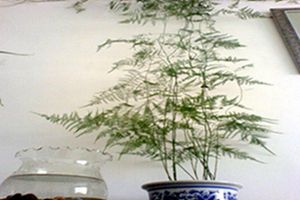
Detailed Guide to Asparagus Fern Propagation Methods and Precautions
If propagating by division, dig it up and select some robust branches for propagation. If propagating by cuttings, cut a small notch in the branch to be planted, and after ten days, once a nodular growth has formed, it can be cut off for propagation. If propagating by sowing, it should be done in early April, preferably planted in a wooden pot, which has better breathability.
-
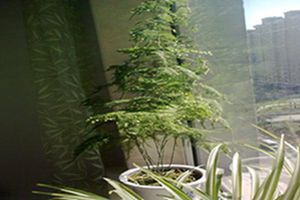
What kind of potting soil is best for growing asparagus fern? A detailed guide to soil mixing methods
When it comes to choosing a pot, you can choose from many styles, but the most important point is that the pot must be sufficiently breathable and have good enough drainage. As for choosing soil, its requirements are relatively high: you need soil with a lot of humus, but you cannot use clay. You must repot it with fresh soil once every two years, and the water in the soil must be neither too little nor too much, otherwise the roots will rot. From June to September, add some liquid fertilizer to its soil.
条件筛选