-
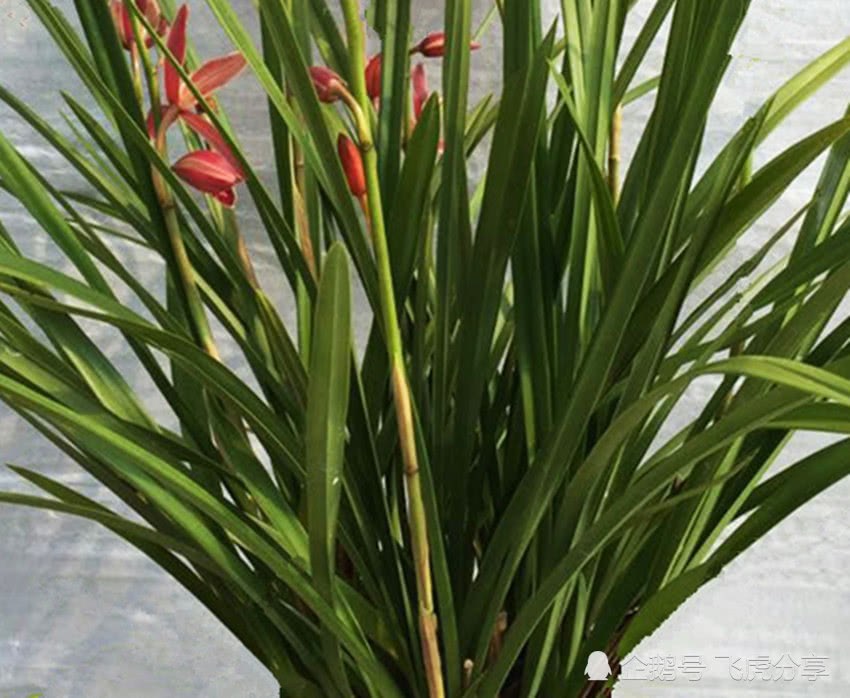
Essential for growing orchids at home: the best orchid-growing methods the experts use
The ancients said of growing orchids that "three parts planting, seven parts care," which shows just how crucial care is to how well an orchid grows. Whether an orchid grows vigorously and blooms abundantly all depends on how good the care is. So mastering good care methods...
-

Do you have to repot when the season changes? Repotting time and method for potted plants
Just as a child needs a bigger bed and larger clothes as they grow up, if a plant is never repotted and is left to grow as it pleases, its root growth will be restricted, which affects the plant's development. In addition, the soil in the pot, as the plant grows, ...
-
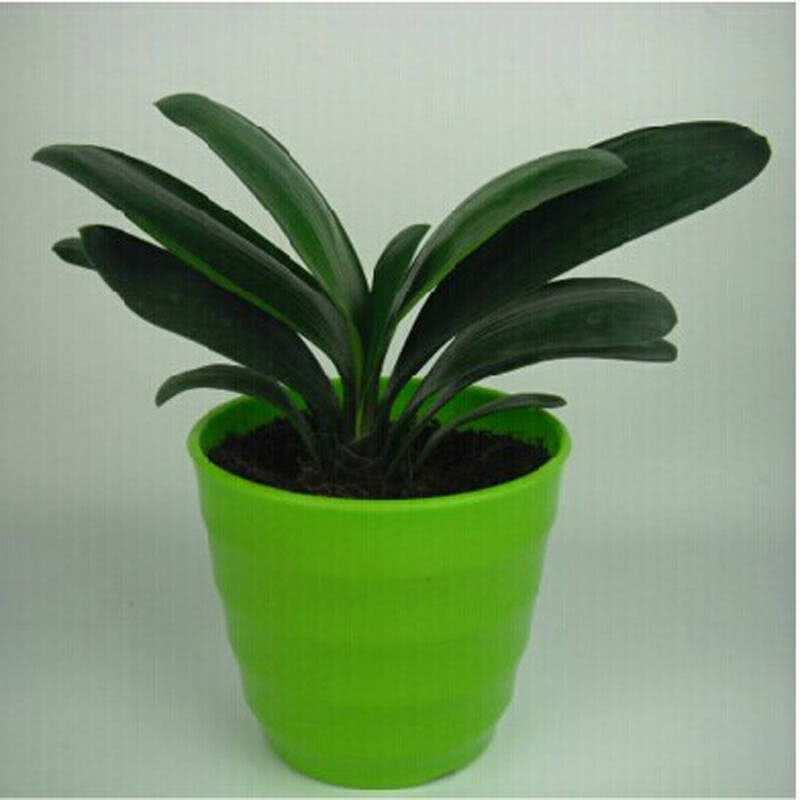
No need to worry about crooked Clivia leaves - one aggressive method easily corrects them
Clivia has a very elegant and neat plant shape, with leaves arranged in a fan that gives it very high ornamental value, making people feel comfortable both physically and mentally just looking at it. Its flowers are also very beautiful, usually blooming during the Chinese New Year period, which is very fitting for the occasion. Even without blooming, it is still an ornamental...
-

How to Grow a Queen of the Night Cactus? A Detailed Guide to Care Methods and Precautions
Growing a Queen of the Night cactus requires loose, well-draining soil. In summer, watering should be increased appropriately, but there must be no standing water, otherwise it can easily cause root rot. In spring and autumn, it is best placed in a semi-shaded spot to avoid direct sunlight, and well-rotted organic fertilizer is generally best. Propagation can be done by cuttings or seeds.
-

How to Grow Lavender? Detailed Care Methods and Tips
To grow lavender, use sandy soil with good drainage. Water thoroughly, and it is best to water in the morning when there is no sunlight. It likes plenty of sunlight, preferably all-day light. Dilute fertilizer with water when applying to avoid burning the roots with fertilizer that is too concentrated. It can be propagated by cuttings and sowing. In addition, you should prevent the occurrence of red spider mites and root rot.
-
How to Grow Peonies? Detailed Guide to Cultivation Methods and Precautions
To grow peonies, use loose, fertile, acidic soil; do not choose alkaline soil. When the weather is dry or the temperature is high, just water appropriately. Ensure sufficient sunlight, and fertilize 3 times a year. For propagation, root cuttings and layering can be used. Prevent pests and diseases, and deal with them promptly once discovered.
-

How to Grow a Cactus (Ball Cactus)? A Complete Guide to Care Methods and Tips
To grow a ball cactus, use acidic or slightly acidic soil, keep the soil moist, and give it plenty of light except in summer. Fertilize mainly with phosphorus fertilizer, and do not apply too much. It can be propagated by cuttings or sowing. In addition, improve ventilation, control water properly, and prevent pests and diseases.
-

What are the cultivation methods and precautions for wintersweet?
Growing wintersweet requires loose, sandy soil rich in humus. It is quite afraid of waterlogging, so do not water until the soil is dry, and when you do water, water it thoroughly. The temperature should be kept at 16-23°C, and be sure to promptly prune diseased branches, dead branches and overly dense branches. Propagation can be done by sowing and division. After pests appear, they can be killed by spraying chemicals, and diseased leaves should be removed promptly.
-

How to grow tulips? Detailed guide to cultivation methods and precautions
For growing tulips, it is best to choose a slightly acidic sandy soil rich in humus, loose and with good drainage. During the growing period, there is no need to water as long as the soil stays moist. For fertilizing, decomposed garbage compost, various cake fertilizers and the like are generally used. It is best to give it about 8 hours of light every day. Propagation can be done by dividing bulbs and by sowing seeds. In addition, watch out for the appearance of diseases.
-

How to Grow Japanese Honeysuckle? A Detailed Guide to Japanese Honeysuckle Cultivation Methods
Growing Japanese honeysuckle requires fertile, moist soil. Generally, water it once every 3-5 days, increase watering appropriately in summer, and apply some cake fertilizer as a base fertilizer when repotting. It likes an environment with plenty of sunlight, but cannot be exposed to strong direct sunlight. It is generally propagated by cuttings, and attention should also be paid to preventing leaf spot disease, aphids, and other pests and diseases.
条件筛选