Essential for growing orchids at home: the best orchid-growing methods the experts use
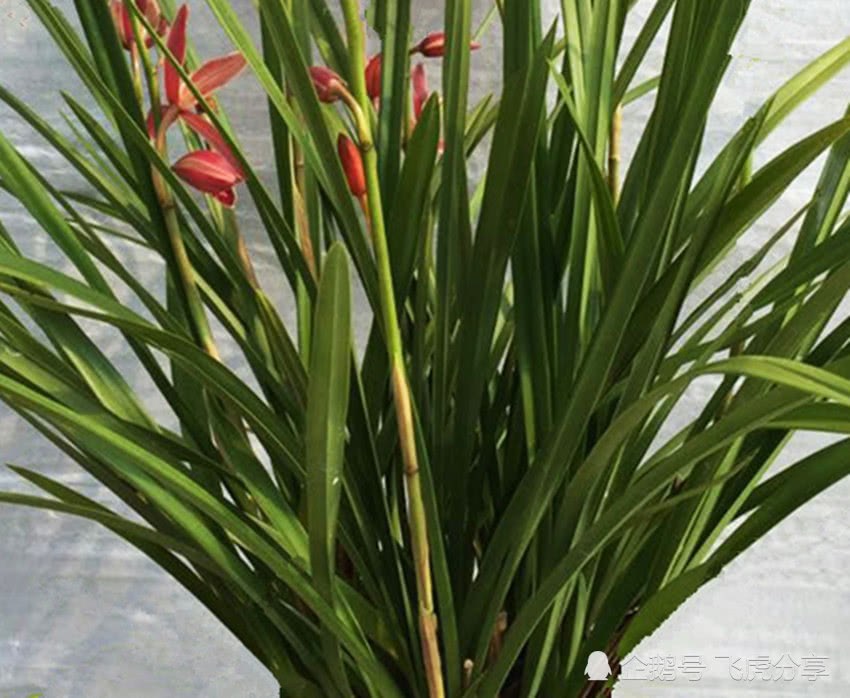
The ancients said of growing orchids that "three parts planting, seven parts care," which shows just how crucial care is to how well an orchid grows. Whether an orchid grows vigorously and blooms abundantly all depends on how good the care is. So mastering good care methods is the most basic guarantee of growing orchids well. Today I will introduce the best orchid-growing methods that many orchid experts use.
1. Growing location. Nowadays most people grow orchids indoors, and because indoor air is dry and the temperature difference is small, orchids often bloom little, fail to bloom, or grow poorly. Many orchid experts, apart from keeping them indoors in winter, place them in the open for care in spring, summer and autumn, and when summer temperatures are high they give them appropriate shade or simply put them under a large tree. These are also methods many horticultural farms often use. But nowadays most people live in apartment buildings and simply have no conditions to place them outdoors. Therefore, when growing indoors it is best to place them on a balcony or in a bright spot facing south, but do not put them on the ground; place them on a stool or a flower stand, frequently spray water on the ground around the orchids, and also mist the surface of the orchid pots. Keep the surrounding environment moist. In summer use straw curtains or shade netting and similar items for shade. For those grown on a balcony, apart from winter, open the windows at night to increase the temperature difference; this is beneficial to orchid growth.
2. Since ancient times, when it comes to watering orchids there has been the saying "dry orchids, wet chrysanthemums," and through long practice this saying holds a certain truth. Growing orchids is easy, but watering is hard, which shows that watering is the key to success in growing orchids. Generally, during growth it is best for orchids to be seven parts dry and three parts wet; if the medium is too wet it easily causes the orchid's root system to rot. The principle of watering is that during the growth period you can water more to keep the medium moist; during the period of sprouting leaf buds and the flowering period, water less and let the medium be appropriately on the dry side, but it must not dry out completely. In winter, watering should be strictly controlled, keeping it in a somewhat dry state.
3. Fertilizing and pruning. Orchids are very sensitive to fertilizer, so when fertilizing you must be extremely careful. For beginners it is best to use orchid-specific fertilizer and not chemical fertilizer. But you can only fertilize orchids that are growing luxuriantly and are free of disease, or orchids whose leaves are yellow and thin; orchids with pests or disease, or growing poorly, can only have their soil replaced and must not be fertilized; newly transplanted orchids must not be fertilized; in winter they must not be fertilized; and in the high-temperature season they should not be fertilized. When fertilizing, use dilute fertilizer; it is strictly forbidden to use strong fertilizer or raw fertilizer. Otherwise they easily dry up and die. During growth, orchids also need timely pruning: cut away all old leaves, withered yellow leaves and leaves with pests or disease, so as to avoid contagion and to help ventilation.