-
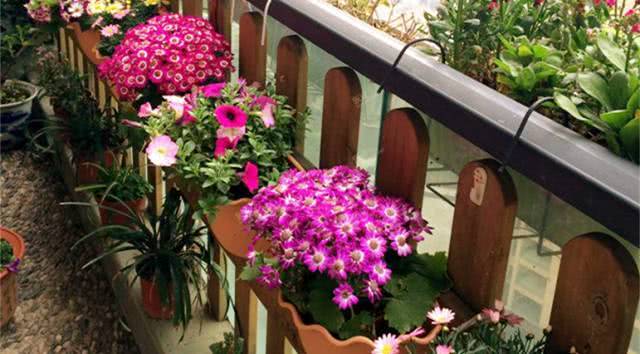
Don't throw away spring cleaning trash, it's all great material for growing flowers
I believe friends who love growing flowers all know that many inconspicuous things in daily life are indispensable materials in the process of growing flowers, just like during spring cleaning, most of the household garbage sorted out doesn't need to be thrown away, with a little pro...
-
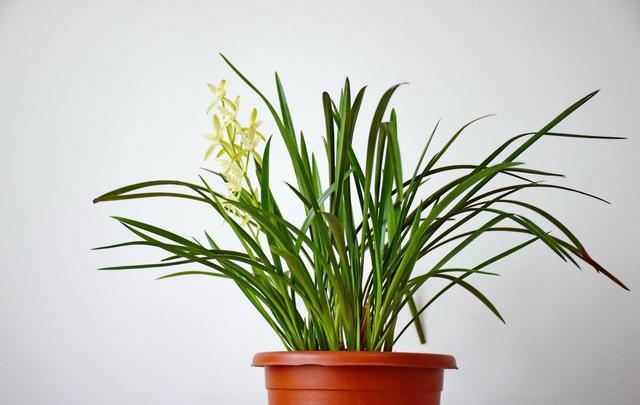
2 kinds of materials turn into flower soil, put a little in the pot, fertilizer effect lasts 200 days, flowers flourish
We usually keep some potted flowers at home or in the office, such as the common ones: pothos, spider plant, orchids, clivia, etc. For home gardening, it is not advisable to frequently use chemical fertilizers. The main fertilizers needed for growing flowers, such as nitrogen, phosphorus and potassium, can all be...
-

Taichung World Flora Exposition's Forest House promotes domestic bamboo and wood materials, achieving a win-win for the environment and industry
To promote domestic bamboo and wood materials, the Taichung City Government invited the Forestry Bureau and the Experimental Forest Management Office of National Taiwan University to create a "Forest House" filled with the rustic fragrance of Taiwan's trees in the Houli Forest Park, allowing the public to experience the beauty of Taiwan's wood. The exhibition space was unveiled yesterday (...
-
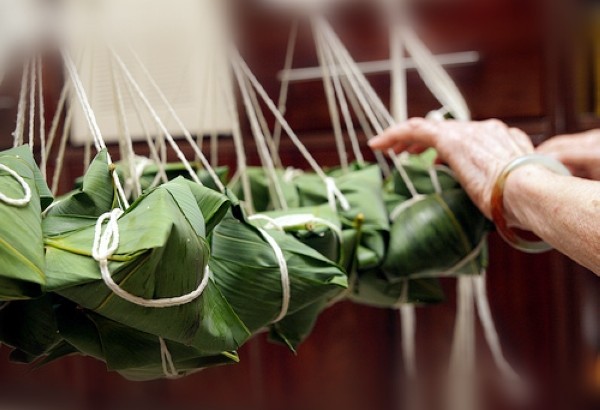
How should the most eco-friendly zongzi packaging be designed, and what eco-friendly packaging materials are there?
Zongzi - the most eco-friendly packaging design
-

Who are green citizens? Interpreting their actions and material civilization
[Cooperative Green Academy] 6/7 Homemakers and youth on the anti-nuclear path
-

Detailed Explanation of Key Techniques for Raw-Material Cultivation of Winter Mushroom
Winter mushroom, also known as enoki mushroom, is a type of fungus that can grow in the harsh winter season. The fruiting bodies of the winter mushroom are small and attractive, and rich in nutrients. The winter mushroom is a premium edible fungus, but its spawn production and cultivation are not complicated. At present, cooked-material cultivation is mostly adopted in China. To save energy and reduce and simplify the procedures of high-pressure or low-pressure steaming of the substrate, relevant experts have achieved complete success through long-term cultivation experiments with raw materials. The new method for raw-material cultivation of winter mushroom is briefly introduced below. I. Cultivation and Sowing Time. The winter mushroom is a low-temperature fungus, and the fruiting temperature is mostly between 5 and 15 degrees C,
-
How to choose bonsai material? A detailed guide to material selection techniques and methods
The selection of tree bonsai material mainly refers to the choice of two aspects: the tree species and the appearance of the stump material. When choosing a tree species, besides considering the factors that make it suitable for bonsai creation, one should also fully take into account the aesthetic tastes and individual preferences of the maker or the viewer (consumer). Because everyone's level of education, appreciation habits, and aesthetic views differ, some love evergreen conifer and cypress species; some prefer deciduous trees rich in seasonal changes; and some are devoted to dazzling flowering and fruiting trees. Therefore, the selection of bonsai tree species must first be people-oriented and fully
-
The creeping juniper is a suitable material for making bonsai
The creeping juniper generally has no upright main trunk, with dense branches and leaves, distinct layers, small emerald-green leaves, evergreen throughout the year, elegant posture, a long lifespan, and is easy to shape. The creeping juniper has strong adaptability and can grow well in both the south and the north, making it a good material for making bonsai. 1. Tree shape creation The branches of the creeping juniper are thin and long, and soft, suitable for making cascade style, curved trunk style, lying trunk style, and various bird, animal and other animal forms. When shaping the creeping juniper, one should do more wiring and less pruning. The wiring material can be metal wire or palm fiber. After the general outline is wired into shape, according to the needs of the shape, one should
-
How to choose materials for stump bonsai? Master these selection tips
Generally, plants with graceful forms, peculiar roots and trunks, brilliant flowers and fruits, strong sprouting ability, long lifespans, easy shaping, and strong resistance to adverse conditions are preferred. Plants suitable for stump bonsai are usually divided into three categories: conifers and cypresses, miscellaneous broadleaf trees, and flowering and fruiting trees. 1. Conifers and cypresses: Common excellent choices include five-needle pine, black pine, Buddhist pine, true pine, Japanese red pine, Huangshan pine, Chinese juniper, and creeping juniper. 2. Miscellaneous broadleaf trees: Materials vary from place to place. Common ones include Japanese bush cherry, Xiangfei bamboo, green-white bamboo, Buddha belly bamboo, serissa, boxwood, Chinese elm, trident maple, red maple, and banyan. These trees
-
Causes and Control Techniques of Rotting in Substitute-Material Shiitake Mushroom Logs
In recent years, varying degrees of log rotting (i.e., rotting and disintegration of logs during the spawn-running period) have occurred in some substitute-material shiitake mushroom production areas, causing waste of resources and economic losses for mushroom growers, and in some areas it has seriously threatened the development of the shiitake mushroom industry. For example, in Qingyuan County, the log rotting rates in 1999 and 2003 reached 17% and 31% respectively, with some individual growers exceeding 50%, resulting in severe losses. In response, we have conducted dedicated investigations and research since 1997, and have preliminarily identified the causes of log rotting and its control techniques. 1. Causes of log rotting
条件筛选