Don't throw away spring cleaning trash, it's all great material for growing flowers
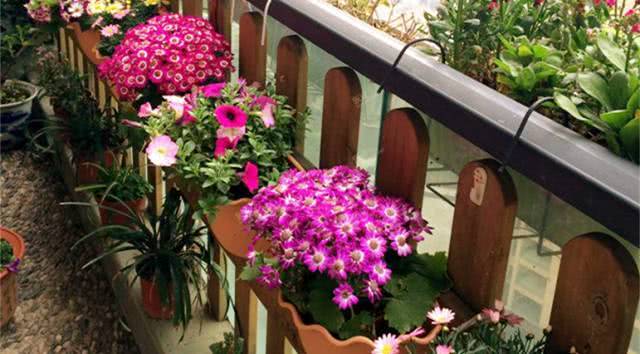
I believe friends who love growing flowers all know that many inconspicuous things in daily life are indispensable materials in the process of growing flowers, just like during spring cleaning, most of the household garbage sorted out doesn't need to be thrown away, and with a little processing it becomes a great helper for growing flowers.
Vegetable and fruit peels - fertilizer
The seemingly useless vegetable and fruit peels at home are actually great fertilizer for growing flowers. These things contain considerable amounts of nitrogen, potassium, phosphorus and other elements, all of which are indispensable elements in the growth process of flowers and can greatly promote the healthy growth of plants.
1. After washing the vegetable and fruit peels, cut them into small pieces;
2. Then put these things into a plastic bottle and leave them exposed to the sun for about a week;
3. Next, bury them in the soil. When burying, be careful to keep away from the plant roots. This is excellent flower fertilizer.
Plastic bags - plant first aid
Plastic bags, which seem to have no special use, can become the best choice for saving dying plants through clever methods. If the plants at home have been in a state of water shortage for a long time and are about to die, plastic bags can be used to achieve the purpose of first aid.
1. Spray some clean water on the surface of the plant that is wilting due to excessive water shortage;
2. Take a plastic bag, poke a few small holes in its surface, and then spray some water inside the plastic bag as well;
3. Wrap the plant with the plastic bag and place it in a cool, ventilated place;
4. In about a week or so, the plant will gradually recover. After the plant grows new branches and buds, remove the plastic bag and carry out normal care.
Old newspapers and waste paper - cuttings
The seemingly useless discarded paper or unused old newspapers at home can actually play a crucial role in the plant cutting process. Using them to help with cuttings will greatly increase the rooting rate of the cuttings.
1. Select a branch with good growth and no obvious defects as the cutting;
2. Wet the waste paper with water, then carefully wrap the bottom part of the branch. It doesn't need to be wrapped too tightly;
3. Then place the cutting in a cool, ventilated place, spray water on the waste paper every day to keep it moist, and in about half a month the cutting will successfully take root.
Dead branches and fallen leaves - base fertilizer
If you have a yard at home or grow a large number of flowers, during spring cleaning you will inevitably sweep up a large amount of dead branches and fallen leaves. In fact, with a little processing, these things are excellent base fertilizer for plants. They are not only clean and environmentally friendly, but also quite effective.
1. Gather the dead branches and fallen leaves together and wash them carefully to avoid insect eggs, dirt and the like mixed in;
2. Then put them into a larger container and place it in the sun for exposure;
3. You can add some soil to it, which can promote the dead branches to decompose faster;
4. In about a week, when you see that the contents in the container have turned black, it means the composting is complete. Then just put it at the bottom of the flower pot.
Straws - controlling watering
In fact, straws are also a very useful tool for growing flowers. Many people worry about watering when growing flowers, unsure exactly how much water to give based on their plant's current condition. At times like this, using straws allows the plant to absorb the water it needs on its own
, making it easy to control the amount of watering.
1. Choose a few thicker straws and use a knife or other tool to drill a few small holes in the lower half;
2. After that, insert the straws into the soil, being careful to keep away from the plant's root area;
3. Then use a curved-neck bottle to fill the straws with water all at once, without worrying about too much water;
4. In this way, the plant can absorb the water it needs from the straws on its own. You only need to check every few days whether there is still water in the straws and refill them in time.
If you also like growing flowers, then follow us!