-

Pachyphytum oviferum is a succulent plant in the Crassulaceae family
Pachyphytum oviferum is also known as Pachyphytum and white beauty, among other names. It belongs to the Crassulaceae family, genus Pachyphytum. It is native to the tropical regions of central Mexico. It has been introduced and cultivated in China and is a common potted ornamental succulent. Its flowers bloom in early summer. Pachyphytum oviferum and the so-called "white beauty" on the market refer to the same succulent plant, because their Latin
-
Moon Rabbit Ears is a succulent in the Crassulaceae family - a complete guide to its care
Moon Rabbit Ears is native to the dry regions of central China and Madagascar. The leaves are covered in fuzz, like rabbit ears, grayish-white with brown spots interspersed, and it branches easily. It belongs to the summer-growing type among succulents, growing vigorously from late autumn to early spring. It likes a sunny environment, and when sunlight is ample, brown markings appear on the leaf tips. In summer, give it appropriate
-
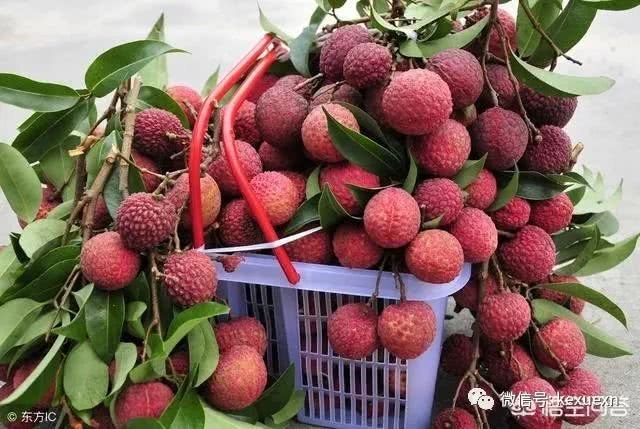
Fruit rots in the orchard while supermarket prices stay high - here is why
Emperor Xuanzong of Tang had fresh lychees delivered for Yang Guifei, and Du Mu wrote in a poem: "A galloping horse raises red dust, the concubine smiles; no one knows it is the lychees arriving." In that era, only express riders covering 800 li a day could bring fresh fruit. Although transportation is convenient now,...
-
What plant is Lithops marmorata? A brief introduction to the mesemb (Aizoaceae) succulent Lithops marmorata
Lithops marmorata is a succulent in the genus Lithops of the family Aizoaceae, and is a small variety among living stones. Its body is ovoid, often growing in clusters of around 20 heads, with pale gray-cyan spherical leaves and distinct brown-green dendritic markings on top.
-
What Is Gasteria verrucosa? Get to Know the Haworthia (Gasteria) Succulent Gasteria verrucosa
Gasteria verrucosa, also known as yuanbao flower, is a succulent and fleshy plant that looks like a yuanbao (gold ingot) and is fairly common in the flower market. Its flesh is fairly thick, like a tongue, and its leaf surface is smooth with white spots. It is a potted ornamental plant that the general public fairly favors.
-

How to choose hydroponic plants? A must-read guide for the lazy on avoiding scams when buying at the flower market
If you are fairly busy with work and do not have much energy or time to grow hydroponic plants yourself, you can also go to the flower market and directly buy a few pots of plants that have already been grown hydroponically for display, which is also a good choice. Hydroponic plants on the market now already have...
-

Why does the United States vigorously develop export agriculture when it knows the grain export market is poor?
For agriculture as a whole, it seems that the economic benefits it brings are really very limited, but if we have a relatively clear understanding of American agriculture, then the reasons why the United States develops agriculture and exports agricultural products are self-evident. Below is a look at American...
-
Why do orchids bought from the flower market die so easily? You made these two mistakes
Why do orchids bought from the flower market die so easily? It is because you made these two mistakes! Friends who love growing orchids, I wonder if you have ever had this experience. Although the orchids you buy at the flower market or online look full of life, after caring for them for a...
-

The wild herb with remarkable effects on swollen and painful gums, common in the mountains yet hard to buy even with money
Today I'm going to introduce to you a wild herb that is very common in the mountains. This wild herb is called Cimicifuga foetida (bugbane). Cimicifuga foetida was recorded very early in the "Supplementary Records of Famous Physicians." Its roots are harvested in February and August each year, then dried. Cim...
-
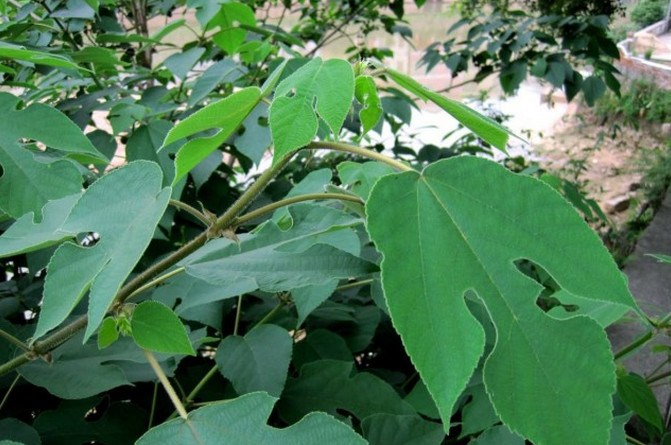
Farmers used this tree to feed pigs, and its fruit sells for 10 yuan per jin, with remarkable effects on the five strains and seven impairments
In rural areas, basically every household raises some livestock that can be eaten, and the most commonly raised are pigs. Pigs should be the easiest livestock to raise; as long as you do not feed them plants that cause diarrhea and the like, they will basically eat anything...
条件筛选