-
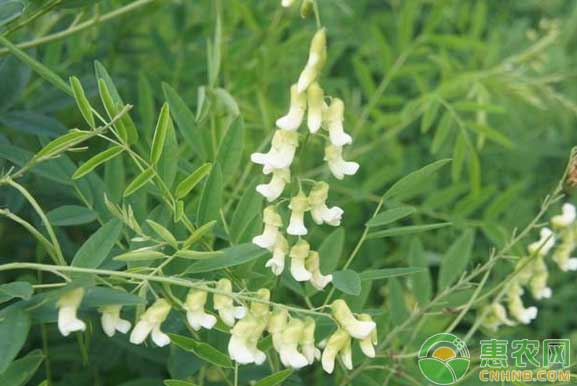
How to grow Sophora flavescens? Detailed guide to cultivation techniques and market prices
How to grow Sophora flavescens? Cultivation techniques and market prices for Sophora flavescens
-
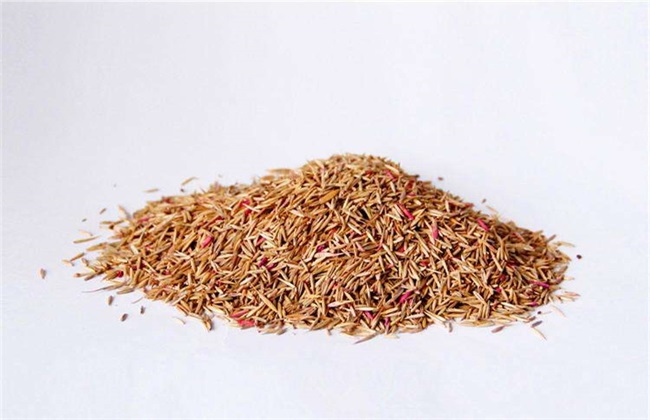
How much is a jin of ice plant seeds? An introduction to market prices
How much is a jin of ice plant seeds
-
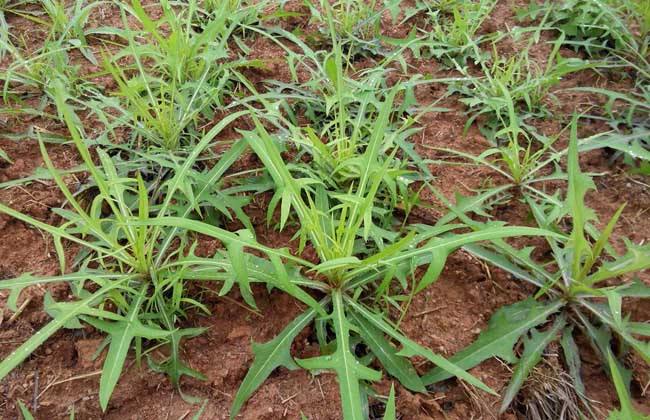
What Are the Prospects for Wild Vegetable Cultivation? Market Potential and Development Space Analysis
What Are the Prospects for Wild Vegetable Cultivation?
-

When is the best time to plant taro? Detailed guide to high-yield techniques for over 10,000 jin and market prices
Taro is now grown fairly widely. Do you know what the current yield per mu of taro is? So how should you plant it to achieve high yields? What is the current market price of taro per jin, and what are the prospects for growing taro? Now common
-
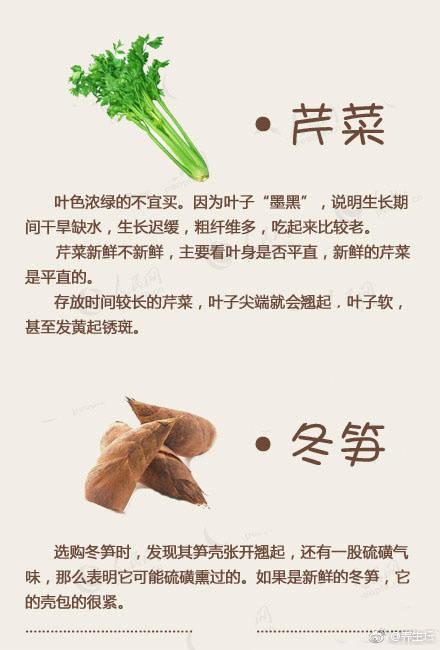
How do you pick vegetables at the supermarket? Master these tips and easily prepare the New Year's Eve dinner
#Healthy New Year Celebration# The festive atmosphere is getting stronger, and many homemakers have already started preparing the New Year's Eve dinner. The New Year's Eve dinner is the most important meal of the year, symbolizing beauty...
-

Why has canola oil become the new favorite of the grain and oil market?
With so many cooking oils in the supermarket, have you chosen the right one? What is truly green and healthy oil, have you chosen the right one? Did you know that Hulunbuir is not only about lamb...
-

Giant embryo rice enters the laboratory breeding stage; blood pressure-lowering rice is expected to reach the market
Red rice with anti-atherosclerosis properties and giant embryo rice with blood pressure-lowering functions have entered the laboratory breeding stage and are expected to reach people's dining tables in the near future. This is the news the reporter obtained yesterday at the opening ceremony of the "2007 Shanghai Science and Technology to the Countryside" series of service activities. It is reported that "high-protein rice breeding," undertaken by the Plant Molecular Genetics Laboratory of Shanghai Normal University, has been listed as a key project of the Shanghai Municipal Science and Technology Commission. According to Professor Li Jianyue of Shanghai Normal University, the project leader, cultivating high-protein rice is of great significance in many respects.
-
Potato cultivation under small arch shelters can bring an earlier harvest to market
When potatoes are grown under small arch shelters, harvesting can generally begin around late March of the following year, about 20 days earlier for market than potatoes grown in open fields, with a net income of 800-1200 yuan per mu. Choose extra-early-maturing varieties such as Dongnong 303. From emergence to the point when they can be dug, Dongnong 303 generally needs only about 80 days. It has strong growth vigor, oblong tubers, yellow skin and yellow flesh, smooth skin, dense tissue, shallow eyes, medium-sized tubers that are fairly uniform, concentrated tuber set, and good quality.
-
Giant embryo rice enters the breeding method stage, blood pressure-lowering rice expected to reach the market
Red rice with anti-atherosclerosis properties and giant embryo rice with blood pressure-lowering functions have entered the laboratory breeding stage and are expected to reach people's dining tables in the near future. This is the news the reporter obtained yesterday at the opening ceremony of the "2007 Shanghai Science and Technology to the Countryside" series of service activities. It is reported that "high-protein rice breeding," undertaken by the Plant Molecular Genetics Laboratory of Shanghai Normal University, has been listed as a key project of the Municipal Science and Technology Commission. According to project leader Professor Li Jianyue of Shanghai Normal University, cultivating high-protein rice is of great significance in many respects.
-
New rice varieties hit the market: Jiangsu Mingtian Seed Industry launches new varieties
Nanjing 44, formerly known as "Ning 4009", is an early-maturing late japonica rice variety systematically bred from Nanjing 38 by the Institute of Food Crops, Jiangsu Academy of Agricultural Sciences, and was developed in 2004. It is suitable for planting under medium-to-high fertility conditions in the areas along the Yangtze River and southern Jiangsu. From 2005 to 2006, it participated in the Jiangsu provincial regional trial. The two-year average yield per mu was 588.1 kg, and the 2006 production trial average yield per mu was 621.9 kg, an increase of 7.1% over the control. The number of effective panicles per mu is about 190,000, the number of filled grains per panicle is about 130, the seed-setting rate is
条件筛选