Fruit rots in the orchard while supermarket prices stay high - here is why
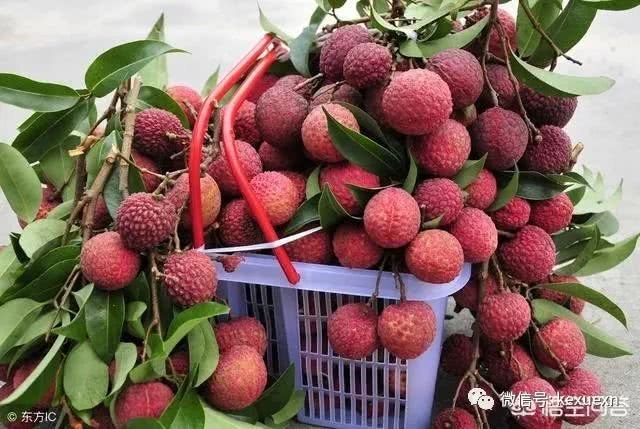
Emperor Xuanzong of Tang had fresh lychees delivered for Yang Guifei, and Du Mu wrote in a poem: "A galloping horse raises red dust, the concubine smiles; no one knows it is the lychees arriving." In that era, only express riders covering 800 li a day could bring fresh fruit. Although transportation is convenient now, the cost of transport in between keeps rising. Those fruits that seem to rot in the orchard end up, after traveling thousands of miles to the final consumer, priced so high that ordinary wage earners can hardly afford to enjoy them freely.
Take Guangxi's lychees, Guangdong's mangoes, and Xuwen County's pineapples - the prices right in the fields really are low. Let us calculate why the fruit ends up so expensive.
Manual fruit picking
Labor costs are high now, no less than 200 yuan a day.
From picking to loading onto the truck, labor costs are still needed. These labor costs are determined by the local economic level.
Transport trucks carry it to all parts of the country
Transport requires drivers and fuel. Truck drivers now earn no small wage either, because driving transport trucks means long-haul express runs, so the cost is even higher.
The local wholesale market (let us call it the first-tier wholesale market)
Hauling the fruit to the local wholesale market requires stall fees and unloading. It needs cold storage, because many fruits have a very short shelf life, and cold storage fees locally are not low either.
Second-tier vendors need to share the load
At this point many local supermarkets or individual retailers come to wholesale the fruit and haul it to their own stores or street stalls to sell. Their stores also need rent, utilities, labor, and a whole series of other costs.
In summary, an outsider cannot estimate exactly how much the cost rises along the way. Although the price is sold off cheaply at the orchard, the consumer who ultimately pays has to bear all these costs in between, and that is how the circulation of goods drives the price up. When the fruit you eat differs too much in price from the field price, you probably have a good idea why.