-
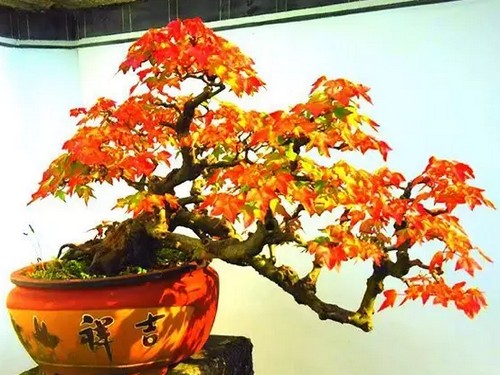
How to grow a trident maple bonsai? Care methods and precautions
Playing with bonsai in your spare time can be said to be one of life's pleasures. Though these little seedlings and small stumps may not look like much, once you plant them in a suitable pot they take on an entirely different charm. In fact, working with bonsai is not difficult. First, you need to understand its habits and be able to grow it well and keep it alive in a pot. Then you just need to add a bit of artistic appreciation.
-
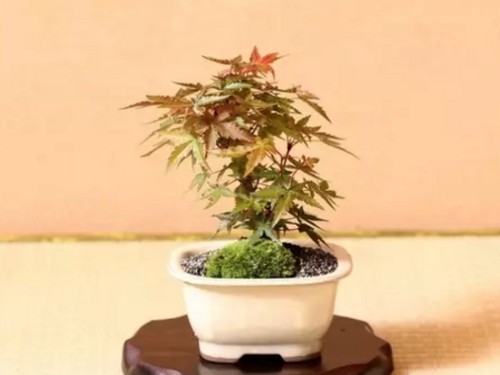
How to grow a red maple bonsai? Detailed care methods
Making a red maple bonsai requires careful tending, because only with careful tending can the red maple grow luxuriantly, and only then will its leaves turn a beautiful red and its ornamental value be higher. With bonsai, only with careful care can you enjoy the pleasure it brings; compared with other plants, bonsai gives a greater feeling of cultivating one's character
-
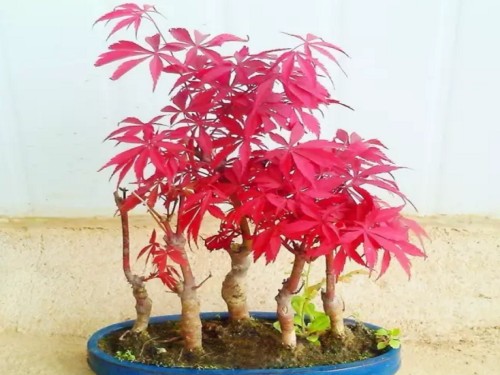
How to grow a red maple bonsai? A detailed guide to cultivation techniques
Red maple is a variety of green maple (Japanese maple, Acer palmatum). Its leaves are brilliantly red and beautiful, with elegant leaf shapes and graceful tree form; in spring and autumn the whole tree is covered in red leaves, a truly splendid sight. The red maple has a graceful, dancing form, lovely and striking. It is suitable both for specimen planting or group planting among rocks and green pines and cypresses, and for growing as a potted plant at home or making into a bonsai for viewing; its branches can also be cut for vase arrangements.
-
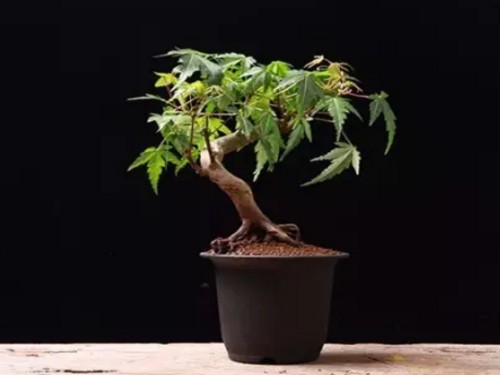
How to Grow Maple Bonsai Well? A Detailed Guide to Practical Care Methods
Maple is also known as sweetgum and spirit maple. There are more than a hundred maple varieties: by leaf size, they are divided into large-leaf, medium-leaf and small-leaf types; by leaf shape, into two-lobed, five-lobed, chicken-claw and thread-like leaves; by leaf color, they are further divided into those that stay red all year, those that turn red in both spring and autumn, and those with creamy-yellow blotches on green leaves.
-
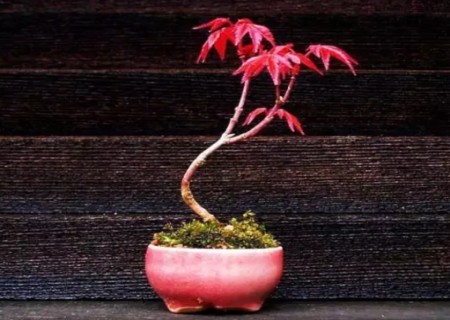
How to Grow a Japanese Maple Bonsai? Detailed Care Methods and Tips
The Japanese maple (Acer palmatum) is a famous landscape tree in China, with a graceful, elegant, and enchanting form. It is suitable both for solitary planting or group planting among rocks and green pines and cypresses, and for growing as a potted plant at home or shaping into a bonsai for appreciation. Its branches can also be cut for vase arrangements as cut flowers for viewing. So what are the techniques for making a Japanese maple bonsai, and what are the care methods for a Japanese maple bonsai?
-
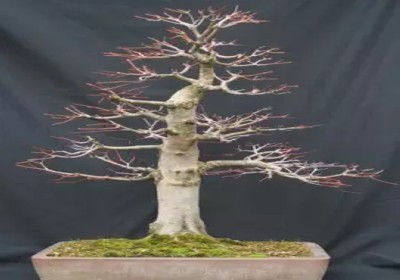
How to repot a maple bonsai? Repotting method illustrated tutorial
April is a good time to repot bonsai. Potted trees grow in limited potting soil; after a certain number of years, the fertility is exhausted, the soil layer becomes compacted, the roots are densely packed and squeeze each other, and new roots struggle to grow. It is best to switch to a larger pot and fill it with fresh soil (changing the soil without changing the pot is also fine) to ensure the normal growth of the potted tree
-
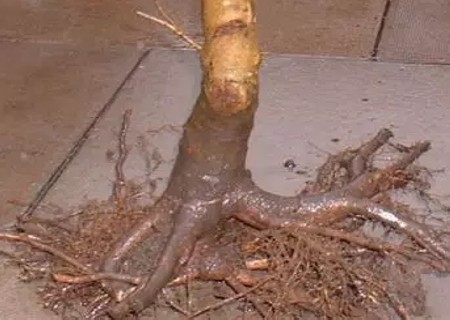
How to add roots to a maple bonsai? Full process illustrated step-by-step guide
The roots of a plant are the main source of artistic beauty in stump bonsai. One-sided roots (roots of a potted plant developing toward one side) when the plant is young will become more obvious as time goes on, and during cultivation the exposed roots will inevitably be damaged for various reasons, until the ornamental effect of the bonsai is affected
-
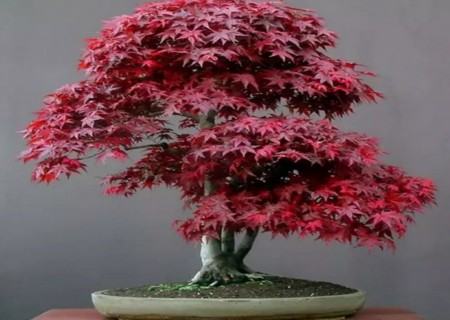
How to Care for a Red Maple Bonsai? Detailed Home Care Guide
Red maple is another name for the purple-red Japanese maple, so its branches and palmate leaves are mostly purple-red. It is a very beautiful foliage tree species, and especially in autumn, the red leaves are even more brilliant and eye-catching. In its natural environment, red maple can display red foliage in the early stages of both spring and autumn.
-
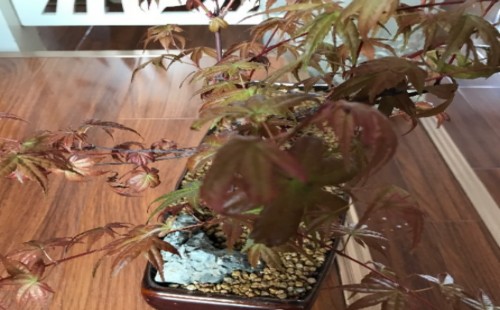
Reasons for Curled and Withered Leaves on Red Maple Bonsai and How to Fix Them
In modern horticultural applications, as people widely accept colorful landscaping effects, colorful green plants are also increasingly favored by gardening enthusiasts. Moreover, people are paying more and more attention to the high degree of integration of color and nature in green ecological environments.
-
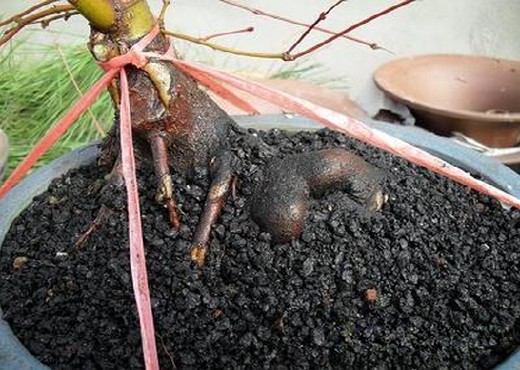
Detailed Explanation of Grafting Propagation Techniques for Japanese Maple Bonsai
Japanese maple is very commonly used in urban landscaping. It not only has an independent landscape appearance, but is also an important combination material in gardens for landscape features, buildings, roads, and sculptures, fountains, and other small features. It is suitable for planting on lawns, mounds, beside streams, by ponds, or as accents at wall corners, pavilions and corridors, and flower beds, and is also suitable for courtyard roadsides and windowsides.
条件筛选