-

A Detailed Guide to Ancient Tea-Making Methods: An Overview of Traditional Tea Production Techniques
Picking: The time for picking tea must be on clear days during the second, third, and fourth months, and the best target for picking is the tea buds that have just sprouted and are especially upright, growing on weathered limestone. Steaming: Place the freshly picked leaves into a steamer basket, then place the steamer basket into a pot, add water to the pot and cook it on the stove; inside the steamer basket there is a layer made of bamboo skin, and after steaming, take out the layer. Pounding: Pour the steamed tea leaves while hot into a mortar and pound them into pieces; place the pounded tea paste into an iron tea mold. There are many shapes of tea molds, and tea
-
Detailed Explanation of Podocarpus Bonsai Making Methods and Techniques
The styling methods for Podocarpus include the following: 1. Cliff style; 2. Large cliff style; 3. Semi-cliff style; 4. Slanting trunk style; 5. Curved trunk style; 6. Three-and-a-half bend style; 7. Group planting style; 8. Root-over-rock style, etc. In the process of creating the styling, artistic processing must be carried out according to the natural beauty of the seedling itself. Materials such as iron wire, steel wire, and plastic tape can be used for styling. During operation, the iron wire can be selected according to the thickness of the branches. Thicker branches are more difficult to style, so thicker iron wire can be used against the trunk and branches, and plastic
-
Detailed Explanation of the Processing Technology and Making Method of Ginger Juice Jelly
Ginger juice jelly is rarely seen on the market, probably because manufacturers fear increased costs. In fact, it can add one more variety to jelly, and it can sell well in both summer and winter; it only increases the cost of ginger juice. The processing technology is as follows: 1. Raw material handling: First use tender ginger as the raw material. After washing and peeling, crush and pulp it in a pulping machine. Because tender ginger is used, a small amount of water may be added appropriately during pulping. 2. Filtering to obtain ginger juice: Use manual pressure filtration to remove the residue, then heat the ginger juice to boiling and set aside for use. The ginger residue can be used to make seasoning powder.
-
Detailed Explanation of the Making Methods and Steps of Lingzhi (Reishi) Bonsai
1. Selection of materials: Different types of pots should be chosen according to the species, color, form, and size of the lingzhi (reishi). Generally, dark-colored ceramic pots are better. If it is red lingzhi or Matsutake lingzhi (Ganoderma tsugae), brown or purple pots are ideal, as they make the color tone harmonious, simple and elegant. If it is black zizhi (Ganoderma sinense) or black lingzhi, white porcelain pots should be chosen, using strong contrast to highlight the features of the lingzhi's form. Pots with the same or similar color tone as the lingzhi should not be chosen, to avoid a monotonous color tone. For lingzhi materials, wild-collected or artificially cultivated ones can be used. Artificially
-
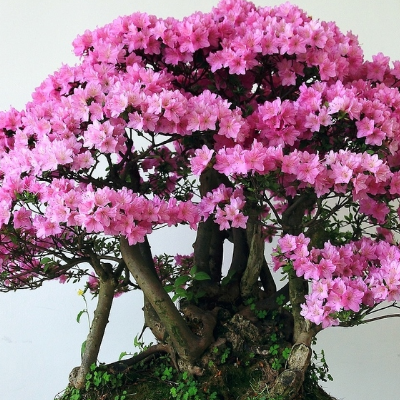
Detailed Explanation of Indoor Bonsai Making Methods and Placement Feng Shui
Indoor bonsai is something many people grow, and shaped plants are just that beautiful. What are the making methods for indoor bonsai? What is the placement feng shui for indoor bonsai: Indoor bonsai making methods: (1) Prepare the evergreen plants, fish tank, stones and soil needed for planting
-
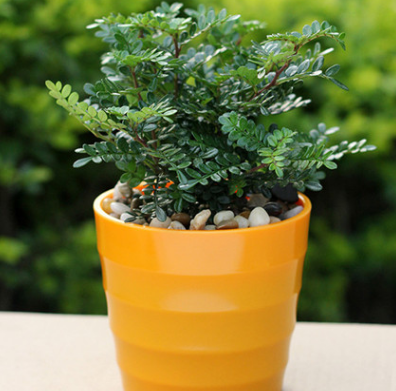
Qingxiangmu (Pistacia weinmannifolia) Bonsai: Making, Care Methods and Market Price Introduction
Qingxiangmu (Pistacia weinmannifolia) is small in appearance, and its fragrance, like its name, is fresh and pleasant. It is a woody plant with a beautiful shape and multiple benefits, often used for home decoration with a unique charm. How to make and care for a Qingxiangmu bonsai: after the Qingxiangmu plant to be trained is selected
-
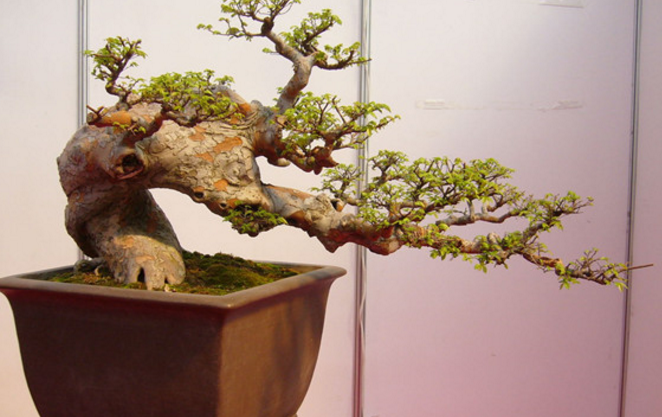
Elm Bonsai: Detailed Guide to Making Methods and Care Techniques
Although the elm is a tall tree, it can also be made into bonsai for viewing. Elms grow and are distributed in the northern regions, mostly growing in valleys, hills and other places. Elms like sunlight and do not fear cold or drought. Their root systems are very developed, so their growth vigor is extremely strong
-
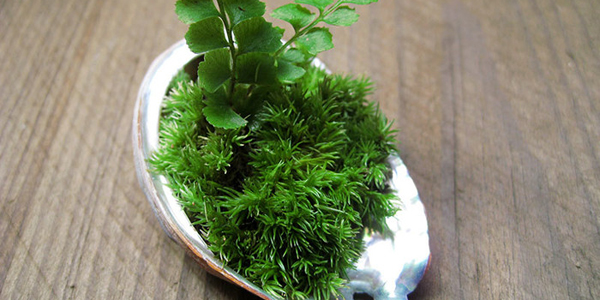
Moss Bonsai Making Methods and Moisture-Retention Techniques
Moss bonsai is also a very good type of plant bonsai. A moss bonsai that combines verdant moss with a variety of plants and containers is very attractive. But what are the methods for making such a moss bonsai? How should moisture be retained? Let's learn about it below
-
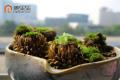
Moss Bonsai Making Methods and Moisture-Retention Tips
Moss bonsai making methods, how to keep moss bonsai moist
-
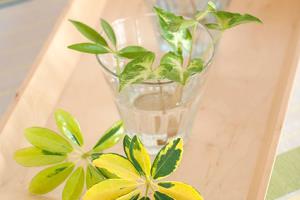
Fruit Selection and Making Methods for Fruit Pit Bonsai
What Fruits Can Be Made into Fruit Pit Bonsai and What Are the Making Methods
条件筛选