-

Detailed Explanation of Ginkgo Bonsai Making Methods and Steps
Ginkgo is a famous long-lived tree species with strong vitality and unique leaf shapes. It is easy to propagate by grafting and to shape and prune, making it an excellent material for making bonsai. Ginkgo bonsai made from ginkgo tree burls is even more outstanding, with high ornamental and economic value. Ginkgo is a commonly used tree species in Chinese bonsai.
-
Bonsai-making techniques and daily care methods for azaleas
Azalea, also known as yingshanhong, is an evergreen or deciduous shrub of the genus Rhododendron in the family Ericaceae. The plant is much branched, with slender, straight branches bearing brown or brownish rough hairs. The leaves are alternate, ovate-elliptic to needle-shaped, with acute or slightly blunt tips, and sparsely covered with brown stiff hairs on the surface. Several flowers cluster at the tips of the branches, with funnel-shaped corollas
-
Winter Bonsai Making Methods and Picture Appreciation, Light Up the Winter Garden
Light Up the Winter Garden: Winter Bonsai Making Methods, Bonsai Picture Appreciation
-

How to grow Lucky Bamboo in water? Making methods and care tips for water-grown bonsai
Lucky Bamboo stays green all year round, and its name implies "great fortune and prosperity." It not only has high ornamental value, but its growing method is also simple, making it a household potted plant cultivated by the vast majority of people. Below are the making methods and care tips for water-grown Lucky Bamboo bonsai. Those interested can take a look.
-
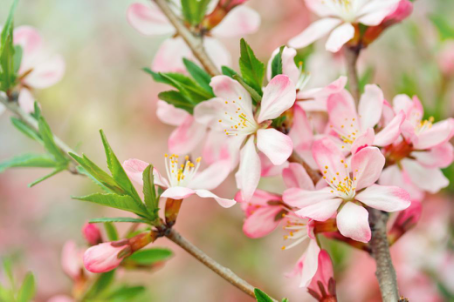
A detailed guide to bonsai-making methods, easily creating beautiful bonsai
So how do you make a peach blossom bonsai? First, you need to choose a peach blossom variety suitable for bonsai and reasonable trunks and branches. When styling an ornamental peach blossom bonsai, prune reasonably according to the tree's vigor and growth conditions to ensure the branches are attractively twisted and turning, promptly remove branches that affect the tree's shape, and keep the bonsai's appearance beautiful
-
A Detailed Guide to the Clever Making Methods and Techniques of Pomegranate Bud Tea
In the 0.66-hectare pomegranate orchard scenic area in Yicheng District, Zaozhuang City, Shandong Province, a group of rural women, relying on the unique natural resource advantages of the "Guanshi Pomegranate Garden," opened up a new source of income growth. To increase pomegranate yields, the tender buds of the pomegranate are picked off every year, wasting a large amount of pomegranate buds. In 1997, Xu Hui went to a tea factory in Hangzhou to work while learning. Four months later, she learned modern tea-making craftsmanship and technology, and brought back tea-frying machinery, and began making pomegranate bud tea. The freshly fried pomegranate bud tea has a good taste, a lasting fragrance, and can strengthen the stomach and refresh the mind.
-
A Detailed Guide to Ancient Tea-Making Methods: An Overview of Traditional Tea Production Techniques
Picking: The time for picking tea must be on clear days during the second, third, and fourth months, and the best target for picking is the tea buds that have just sprouted and are especially upright, growing on weathered limestone. Steaming: Place the freshly picked leaves into a steamer basket, then place the steamer basket into a pot, add water to the pot and cook it on the stove; inside the steamer basket there is a layer made of bamboo skin, and after steaming, take out the layer. Pounding: Pour the steamed tea leaves while hot into a mortar and pound them into pieces; place the pounded tea paste into an iron tea mold. There are many shapes of tea molds, and tea
-
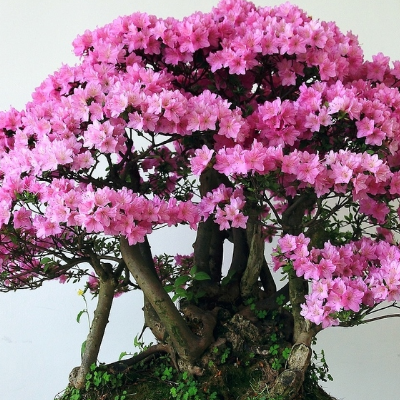
Detailed Explanation of Indoor Bonsai Making Methods and Placement Feng Shui
Indoor bonsai is something many people grow, and shaped plants are just that beautiful. What are the making methods for indoor bonsai? What is the placement feng shui for indoor bonsai: Indoor bonsai making methods: (1) Prepare the evergreen plants, fish tank, stones and soil needed for planting
-
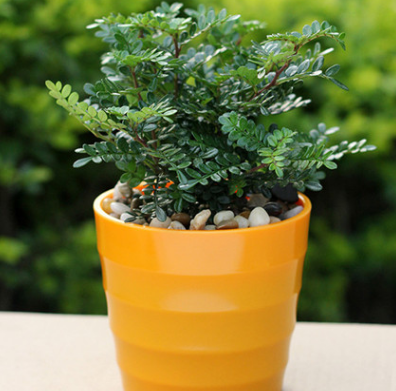
Qingxiangmu (Pistacia weinmannifolia) Bonsai: Making, Care Methods and Market Price Introduction
Qingxiangmu (Pistacia weinmannifolia) is small in appearance, and its fragrance, like its name, is fresh and pleasant. It is a woody plant with a beautiful shape and multiple benefits, often used for home decoration with a unique charm. How to make and care for a Qingxiangmu bonsai: after the Qingxiangmu plant to be trained is selected
-
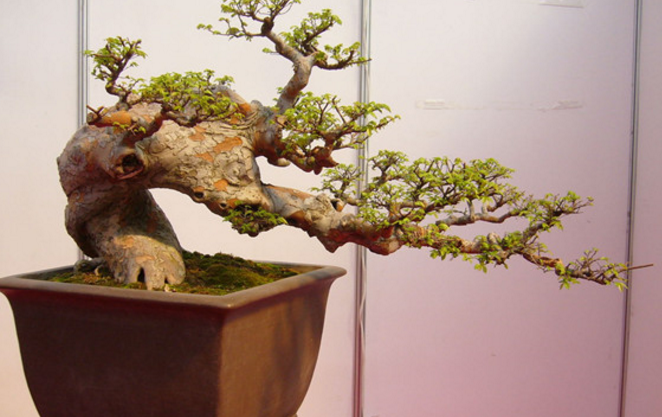
Elm Bonsai: Detailed Guide to Making Methods and Care Techniques
Although the elm is a tall tree, it can also be made into bonsai for viewing. Elms grow and are distributed in the northern regions, mostly growing in valleys, hills and other places. Elms like sunlight and do not fear cold or drought. Their root systems are very developed, so their growth vigor is extremely strong
条件筛选